Assess commercial roofing in Centennial, CO. Compare useful repairs, receiving-layer work and occupied replacement phases before approving your roof scope.
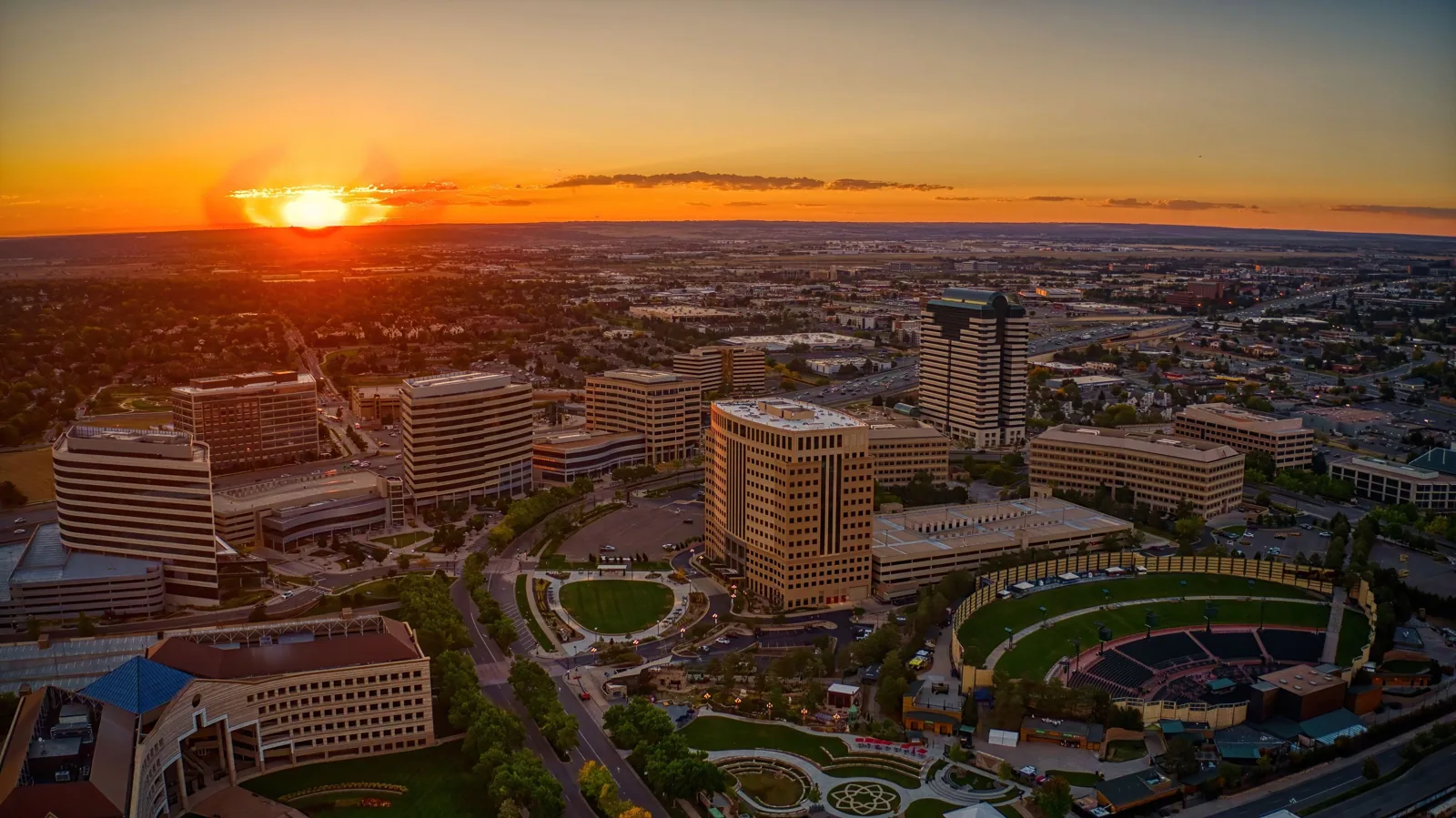
Commercial roofs serving Centennial’s professional, finance and information businesses need repairs that reach suitable material without leaving their occupied spaces unprotected during removal. Commercial Roofing Centennial assesses commercial roofing in Centennial, CO. We identify the actual covering and receiving layers before comparing local correction with a wider replacement phase. The owner receives a construction choice tied to the weather connection restored, the material retained and the building release necessary to complete it.
Centennial’s regional business access includes I-25 and light rail, with connections to both Centennial Airport and Denver International Airport. Roof access at a particular building still depends on its own entrance, service route and available staging. We examine that final approach alongside the roof condition. A useful material scope should have a workable handling arrangement and appropriate closure through the areas the planned phase will open.
A reported leak or damaged surface directs examination without defining the entire construction choice. We assess field seams, curbs, outlets and perimeter connections around the affected area. Different defects can require different preparation even when they produce similar indoor observations. We identify the actual weather detail before the owner compares its repair expense.
A commercial roof condition assessment also considers supporting layers and evidence of earlier work. An addition or previous phase can leave separate coverings within one building. We identify those transitions and the joining procedures they need. The useful correction should reach suitable material around its boundary, with further examination arranged where concealed condition determines whether the supporting construction can remain beneath another covering or detail.
Water can travel below a covering or through an adjoining connection before appearing inside the building. We compare the reported room with relevant exterior components and possible concealed paths. A surface defect nearest the stain may not be the entry point. The investigation should establish the receiving detail and material condition that the proposed correction addresses.
Investigation of commercial roof leaks can identify damaged insulation as well as an open joint. At a wall, water entering above the roof flashing may require another enclosure task. We examine that upper relationship before proposing the lower connection. The owner can compare complete work whose removal reaches the useful material boundary, with related support and wall preparation included where they are necessary for the intended weather protection.
Centennial identifies aerospace among its business sectors as well as professional and financial services. For a selected occupied building, we examine the actual rooms and equipment beneath the proposed roof opening. The property parties coordinate their operating requirements around that task. A material choice should not assume every connected space can be made available at once.
Planning an occupied replacement phase connects removal with suitable protection and practical closure. At an office building roof, an equipment curb can need another service release before flashing preparation is possible. We identify that dependency and the opening it enables. The selected phase needs compatible components and available working conditions through its boundary, allowing the field and adjoining details to be completed before the affected area returns to normal operation.
Roof replacement may require more than removing the visible membrane. We examine retained insulation, boards and deck condition before selecting layers above them. Wet or deteriorated construction can change the useful removal quantity. Attachment must also suit the actual receiving assembly and the proposed installation requirements.
A complete commercial roof renewal comparison includes supporting material and the finished relationships at curbs or outlets. Added thickness can reduce flashing clearance or raise a drainage approach. We explain those adjustments alongside the field quantities. The owner compares the construction actually supplied, with preparation beneath the covering and detail work around it identified before a surface material allowance is treated as the whole replacement expense.
The required Centennial commercial reroof mid-roof inspection needs access to the relevant construction before the next layer closes it. We identify that installation stage while planning removal and receiving preparation. The city offers virtual options for both mid-roof and final examinations. The selected review arrangement should fit the actual phase, with suitable weather protection available while construction waits at its accessible receiving boundary.
The city’s commercial reroof guidance includes roof-area plot information and manufacturer installation and fastening details among submittal requirements. Those requirements should correspond to the actual proposed assembly. We identify the physical work and preparation that the selected covering needs. The owner receives a sequence connecting its inspection and installation stages, keeping receiving support accessible for review before later layers conceal it and allowing adjoining detail tasks to follow the correct prepared surface.
For 1991 to 2020, snowfall mapping places the area around Denver International Airport near 47 inches per season. That regional context makes outlets and receiving geometry useful assessment points at a selected Centennial roof. We examine local water routes and relevant layer condition. A blocked outlet or raised approach requires its own maintenance or construction response.
Commercial roofs in Midtown Centennial and roofs across the SouthGlenn Sub-Area need that same property-specific examination before a scope is chosen. We inspect the available outlets and their surrounding surfaces to identify the particular drainage task at each building. Accumulated debris may require cleaning, while a damaged connection or unsuitable elevation may require material work. The proposal identifies the actual task and the supporting condition it needs for useful completion.
At completion, we examine the field and detail connections supplied within the phase. The owner should know the layers retained and the material renewed at their boundary. Installed component information follows the actual assembly. An outlet, wall or equipment task reserved for another stage should remain distinguishable from the weather connection completed during the current work.
Later service visits need practical routes and appropriate protection over the covering. A new support or opening should use a compatible detail prepared on suitable receiving construction. We explain those care requirements for the installed roof. Subsequent examination can then compare wear or damage at an identifiable component with the useful correction it requires. The next roof expense follows that material condition, connecting any added removal and operating release with the physical task before another phase is selected.
The installed covering, observed defect and useful receiving boundary should be identifiable. Supporting layers can require further examination. We connect those findings with local correction or renewal before the owner compares construction expenses.
Moisture or unsuitable receiving material may require wider preparation beneath the detail. Concealed travel can also separate entry from the indoor observation. We assess the actual route before fixing removal and closure.
Available rooms and equipment releases need to support the defined construction opening. Related service work can change preparation timing. We coordinate the material task with protection and a suitable completed boundary.
The relevant construction needs to remain accessible before later layers conceal it. Appropriate examination belongs in the planned sequence. We connect that hold with the receiving work, installation stages and suitable closure.
Renewed components and retained layers should be distinguishable for later assessment. Service changes need compatible weather details and protected routes. We explain the assembly supplied and the material care it requires.
Commercial roofing in Centennial
Commercial roofing in Centennial
Commercial roofing in Centennial
Commercial roofing in Centennial
Commercial roofing in Centennial
Commercial roofing in Centennial
Commercial roofing in Centennial