Plan roofing for Centennial manufacturing properties. We assess process interfaces, exposure and assembly condition before defining useful construction phases.
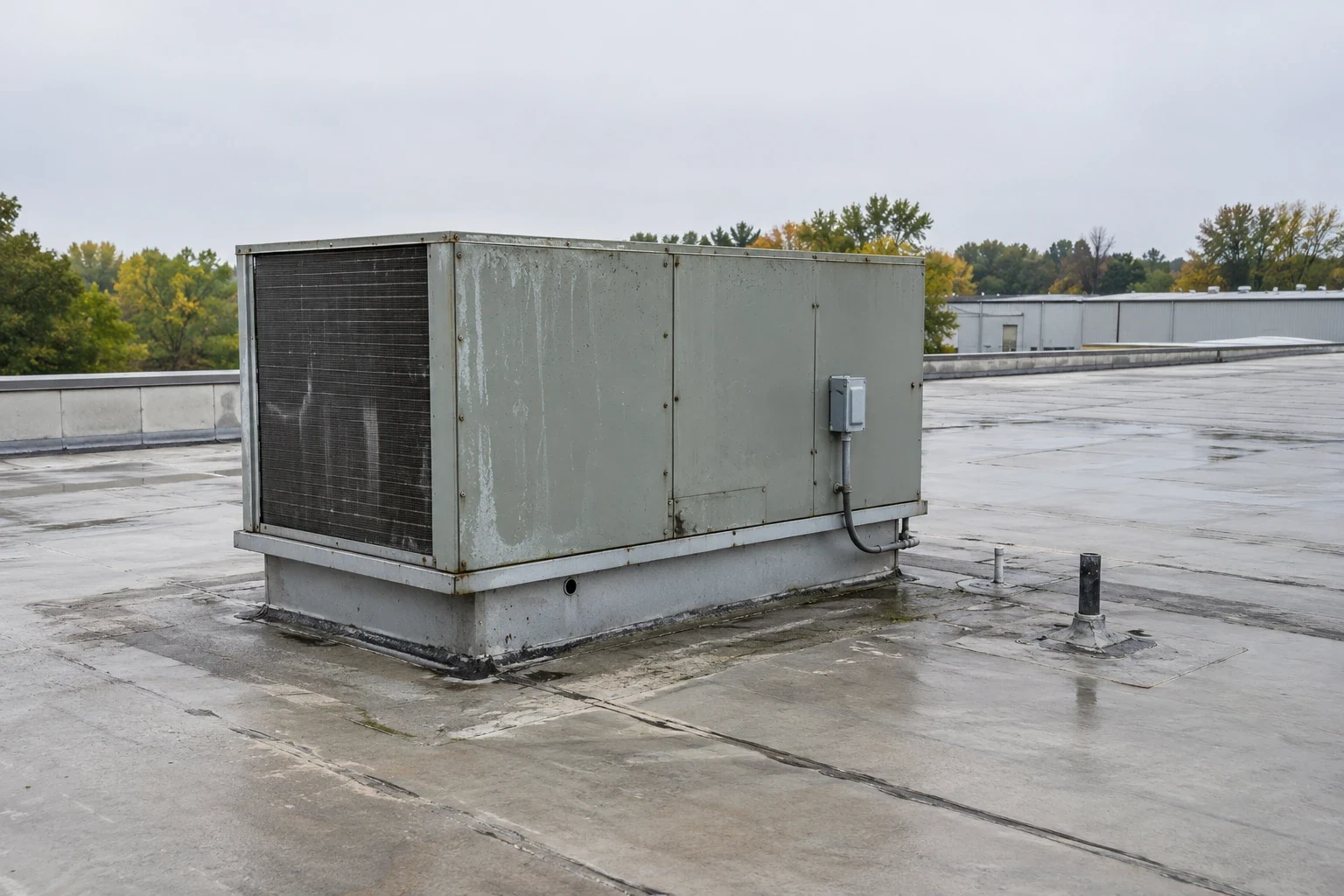
Budgeting roof work for several production areas requires identifying which equipment release makes each construction task possible. One scheduled shutdown may leave another curb or service line unavailable. Commercial Roofing Centennial assesses commercial roofing for manufacturers in Centennial, CO, through those physical and operating boundaries. We define useful repairs or replacement phases before coordinating the process interfaces they require.
Highfield Business Park includes assembly, technology and laboratory uses alongside distribution and office activity. Parker identifies engineering and aerospace among its regional industry clusters. A manufacturer's roof project in that wider setting still depends on its own assembly and equipment. We examine the actual building before selecting work, giving the owner a scope tied to material condition and the practical releases needed to complete construction above its operation.
Different occupied areas may have different availability even when their roof covering is continuous. We identify the opening or detail correction associated with each production space. The owner's responsible parties coordinate the equipment and interior arrangement relevant to it. The phase should describe what construction needs that release and how suitable closure follows the work.
Roof sequencing around active production can separate areas where assembly condition permits practical phasing. An adjoining logistics operation may introduce another release requirement at shared exterior access. We preserve those operating distinctions in planning. Concealed findings should be coordinated before the removal boundary expands over another process area needing different protection or equipment availability.
New rooftop units, lines or support points can alter the roof interface even where the field covering remains useful. We assess the proposed opening and supporting requirements before selecting weatherproofing work. Questions about loads and equipment operation belong with the appropriate design and service parties. Their tasks should be connected to the roof construction they make possible.
Equipment support and curb assessment identifies the receiving assembly and available space for details. A reused curb may need adjustment for the replacement unit or new roof thickness. We examine those relationships before fixing the scope. The owner receives a sequence from service release to completed weather connection, with clear preparation and related responsibilities at the actual interface.
Equipment discharge and servicing substances can affect the covering or its receiving surface. We identify actual contact conditions with the owner before selecting components. Product suitability follows relevant information for the proposed application. A broad manufacturing category does not establish which substances reach the roof or what condition exists around a particular unit.
A PVC roof assembly option may be evaluated alongside KEE-containing product options through their actual characteristics and installation requirements. The comparison also identifies preparation and compatible detail components. Equipment protection or an operating change may belong beside the roof scope. We explain those tasks so the selected covering is part of a complete construction decision rather than the only response to unmanaged exposure.
Old treatments, contamination and concealed deterioration can enlarge a repair beyond the visible defect. We examine the connection and its supporting layers before selecting a procedure. Loose or incompatible material may need removal to prepare a suitable surface. The correction should address the cause and geometry that produced the opening. A pipe or support rubbing against the covering may need a service adjustment as well as weatherproofing. We identify that contact and coordinate its appropriate correction before the repaired surface returns to the same exposure. The finished detail should connect with suitable support and compatible movement, keeping another avoidable defect from remaining part of the operating arrangement.
Defined roof repair for manufacturing properties identifies what material remains around the completed detail. Wider moisture or damaged support can require reconstruction beneath it. We explain those findings and related interior access before removal. The owner can compare a useful local expense with the broader assembly work it leaves unchanged, using actual receiving condition to establish the boundary.
Replacement covering needs suitable insulation, attachment and adjoining details. We examine retained layers before establishing the new construction. Added thickness can affect curb clearance and the receiving elevation at an outlet. Necessary adjustments should be identified before field installation makes those relationships harder to change.
The drainage review examines water routes through the actual equipment layout. A low area behind a unit can require a planned local detail separate from the membrane choice. We coordinate the finished surface with its outlets and vertical connections. Board fit and securement around those areas also matter beneath the covering. The owner receives a complete assembly scope that includes preparation and physical adjustments necessary to carry its weather protection through the building's transitions.
Dove Valley Business Park includes industrial and flex activity in unincorporated Arapahoe County. A manufacturing property in the broader commercial area can share material routes with ongoing goods movement. We examine the actual staging and roof access before scheduling deliveries. The available operating arrangement must support recurring waste handling and installation materials as well as crew access.
For Highfield Business Park manufacturing properties, general construction coordination can add wall, equipment or other tasks affecting the roof interfaces. We identify those dependencies before mobilization. Their work sequence should leave suitable receiving construction and access for the intended connection. The owner can compare the roof expense with its related project requirements clearly connected to physical tasks.
The renewed field and detail work needs examination before its construction boundary is released. We identify completed areas and the material retained outside them. Later equipment changes should use compatible interfaces and preserve practical routes to outlets. Service activity also needs suitable protection of the covering and removal of sharp components or debris afterward.
We explain those care requirements with the installed assembly information. Future checks can focus on process-equipment areas and developing connection defects. A new observation should prompt examination before the next repair allowance is selected. The manufacturer manages the roof through observed material condition and identifiable completed work, keeping maintenance or another capital phase tied to useful construction and the operating window available at the actual building.
Equipment and occupied spaces can have separate release requirements. The roof task needs a window that supports its preparation and closure. We identify those dependencies before connecting the work with the operating period supplied by the owner.
Its supports, opening and weather connection need assessment alongside service and design requirements. A reused curb may need adjustment. We coordinate those physical tasks before a proposed equipment change becomes an improvised alteration to the covering.
Actual contact conditions and the selected product information guide that choice. Preparation or equipment management may require additional work. We examine the application rather than assign every manufacturing roof the same material response.
Contaminated receiving surfaces, concealed moisture or damaged support may need removal. The new connection requires suitable construction beneath and around it. We establish those findings before fixing the useful repair boundary.
Renewed details, drainage routes and compatible surface condition remain important during routine visits. Sharp parts or unrelated treatments can affect the installed assembly. We explain access and care considerations at completion so future work preserves the construction supplied.
Commercial roofing in Centennial
Commercial roofing in Centennial
Commercial roofing in Centennial
Commercial roofing in Centennial
Commercial roofing in Centennial
Commercial roofing in Centennial
Commercial roofing in Centennial
Commercial roofing in Centennial