
Compare PVC roofing in Centennial. We examine exhaust exposure, membrane connections and supporting layers before defining repair or replacement requirements.
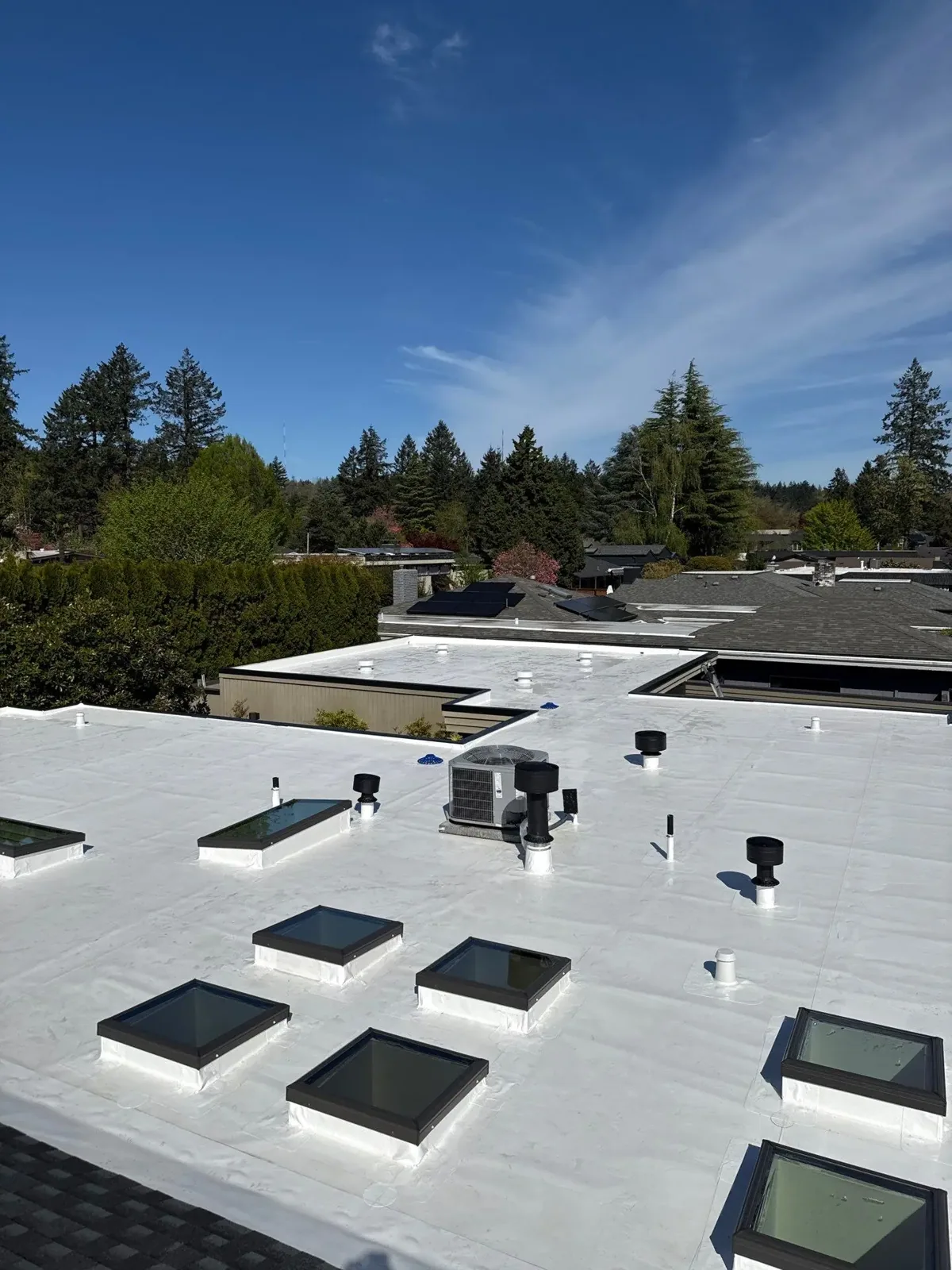
A roof near cooking exhaust needs material selection based on the exposure and the condition of its existing construction. A covering described as suitable for an application still needs compatible seams, supports and adjoining details. Commercial Roofing Centennial assesses PVC roofing in Centennial, CO, by examining those connections and the proposed service conditions. We define the complete assembly and repair boundary before presenting its construction allowance.
Sheridan's River Point commercial area includes retail, dining and entertainment uses. At a dining property in that broader setting, exhaust arrangements may affect both roof maintenance and the work needed around equipment. We assess the actual deposits, drainage and access at the building. The PVC proposal addresses the identified exposure through appropriate material selection and detail construction, rather than treating a product category as a complete answer to every restaurant roof condition.
PVC products are often considered where particular chemical or grease exposure matters, but suitability must follow the selected product's information. Exposure type, concentration and contact conditions can affect that comparison. We identify the actual roof use and coordinate relevant material questions before committing to the assembly. General descriptions should not replace a check of the proposed product and application.
Exhaust equipment also needs appropriate management to avoid uncontrolled deposits on the covering. A suitable membrane does not eliminate cleaning or protection at those areas. For restaurant roof construction, we examine equipment access and the surrounding weather connections together. The owner understands which material is being specified and which operating or maintenance tasks remain necessary after its installation.
PVC membrane seams use suitable heat-welding procedures for the selected material. The receiving surface must be appropriately prepared, with installation settings and conditions suited to the connection. Old treatments or accumulated deposits can interfere with a repair weld. We examine those surfaces before defining the repair area and preparation allowance.
New seams need checking through an appropriate procedure after joining. Corners and intersections deserve attention because changes in plane can complicate the connection. For a localized defect, the examination also establishes whether the surrounding membrane can receive a reliable repair. A larger opening may be necessary where the covering has deteriorated or the support beneath it is unsuitable. The correction should reach sound construction rather than concentrate only on the smallest visible split.
Insulation, cover board and retained roofing layers establish the surface on which the new PVC covering will be installed. Their condition affects attachment and the finished roof's stability. We examine concealed materials where the proposed scope requires it and identify wet or deteriorated layers needing removal. A clean-looking upper surface does not settle the condition of the construction below it.
Supporting insulation and cover board need coordination with the selected attachment method. Adhered and mechanically attached arrangements involve different preparation and securement requirements. We establish the suitable arrangement before comparing prices. Alternatives such as TPO single-ply construction have their own component requirements, so the owner should compare complete assemblies rather than assume that changing membrane names leaves every installation task unchanged.
Equipment curbs and walls require connections that suit the PVC system and the condition of the adjoining construction. Flashing height can become a constraint when new insulation raises the field surface. We measure those interfaces before fixing the proposed layer thicknesses. A curb adjustment or equipment release may belong in the construction scope even when the field membrane installation appears straightforward.
Flashing at penetrations and skylights also needs adequate working space and a suitable upper connection. We identify materials that must be removed before compatible details can be installed. Unrelated sealants or older patches should not become an assumed permanent receiving surface. The finished connection is planned from the membrane into its adjoining construction, with service access preserved where equipment placement allows it.
A PVC comparison may include KEE-containing membrane options where their product characteristics suit the proposed application. The selected product and assembly determine the relevant installation requirements. We explain those differences without assigning a universal preference from the polymer name alone. Existing exposure, supporting construction and proposed attachment remain part of the decision.
Replacement also needs a defined daily removal boundary and weather closure arrangement. Where a repair is being considered instead, the affected PVC material must remain suitable for preparation and joining. We distinguish those construction routes before pricing. The owner receives an explanation of what each option actually corrects and what existing layers or interfaces would remain after the work.
Centennial's SouthGlenn commercial setting includes shopping, dining, living and working uses at the Streets at SouthGlenn development. Around that mix, roof access can share space with customer arrivals and daily deliveries. We examine the actual site circulation before staging material or preparing equipment details. The proposed sequence identifies the access needed without assuming that nearby uses share the same operating hours.
For SouthGlenn Sub-Area properties, construction may need separate windows for field work and equipment release. A replacement sequence for the complete roof coordinates those stages with suitable daily closures. We explain how materials reach the work area and where waste removal can occur. Those operating arrangements belong beside the membrane specification because they affect whether the planned installation can proceed practically.
Equipment servicing can bring sharp components, debris and repeated traffic onto a PVC roof. Suitable walkways and contact protection help manage those exposures where access is frequent. We identify service routes during construction planning and explain the care appropriate to the installed system. Drain outlets and nearby flashing need to remain reachable for routine examination.
Deposits around exhaust equipment should be handled through procedures compatible with the membrane and its components. Later repairs also need appropriate materials rather than unrelated treatments selected for convenience. We check the completed roof connections and identify maintenance considerations at handover. The owner can then arrange condition checks around the actual service areas and exposure points, with a clear understanding of the assembly that has been installed.
Product information and the actual contact conditions guide suitability. The membrane category alone does not establish compatibility with every substance or operating use. We identify the relevant exposure and coordinate the material selection for the proposed application.
Deposits, earlier treatments or deterioration may prevent a suitable new connection at the visible defect. We assess the receiving material and identify the preparation needed. The repair boundary should reach an appropriate surface rather than preserve an incompatible underlying patch.
Its condition, proposed retention or removal and attachment requirements should be clear. Concealed moisture can change the necessary scope. We examine relevant layers before presenting the new covering as though it were independent of its supporting construction.
Deposits and service activity create particular care needs around the equipment. Material suitability does not remove those responsibilities. We identify compatible cleaning considerations and protection at access routes alongside the proposed roof assembly.
A higher roof surface can reduce the vertical distance available for flashing. The existing curb may need adjustment to accommodate the proposed assembly. We examine that relationship before insulation thickness and equipment release arrangements are finalized.
Commercial roofing in Centennial
Commercial roofing in Centennial
Commercial roofing in Centennial
Commercial roofing in Centennial
Commercial roofing in Centennial
Commercial roofing in Centennial
Commercial roofing in Centennial