
Plan warehouse roofing in Centennial. We assess leak routes, concealed layers and occupied storage before defining repair areas or phased replacement work.
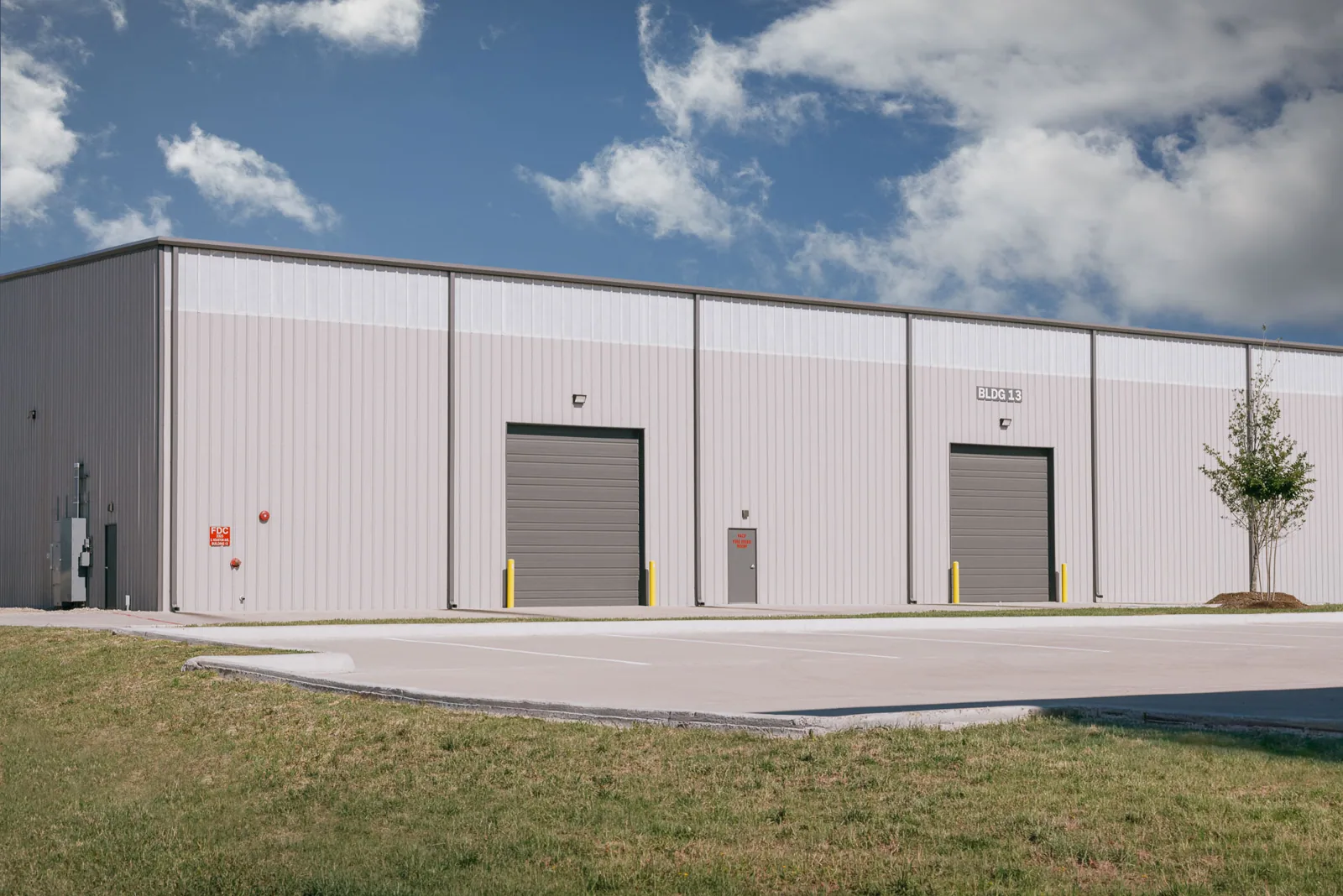
Stored inventory can make a small roof opening expensive when its interior protection and work access are left unresolved. The useful roof scope starts by locating the affected construction and the storage area beneath it. Commercial Roofing Centennial assesses warehouse roofing in Centennial, CO, with those dependencies in view. We define necessary repairs or replacement phases before coordinating the interior space and access needed to complete them.
Dove Valley Business Park includes industrial and flex uses within unincorporated Arapahoe County. A warehouse in that broader commercial area can have goods movement and occupied storage competing for available construction routes. We assess the actual layout before selecting staging and roof access. The owner receives a scope tied to the building's condition and storage constraints, rather than a roof-area price that leaves inventory protection outside the construction plan.
Water reaching a rack aisle may have traveled through concealed construction before appearing inside. The interior location directs examination but does not establish the exterior entry point by itself. We compare the observation with roof seams, penetrations and drainage conditions nearby. The investigation identifies which construction needs correction before a repair method is chosen.
Investigation of warehouse water intrusion also considers the material beneath the covering. Moisture or deteriorated support can enlarge the necessary repair boundary. We identify the affected area and coordinate access above and below it. The owner understands whether the proposed work restores an isolated detail or opens a wider section of the assembly, including the temporary protection needed around stored goods.
The location of stored goods affects when roof work can proceed and what space must be released below it. We identify the area associated with each proposed opening and coordinate practical interior protection with the owner. Rack height and aisle availability can influence access for observation or protective work. Those conditions should be resolved before the roof becomes exposed.
Moving inventory may be necessary at a particular work area without requiring the entire warehouse to be emptied. We distinguish that release from other operating arrangements and explain its relationship to the roof phase. A distribution facility roof project may add different shipment-timing requirements, but ordinary warehouse storage still needs its own protection plan. The construction allowance should identify those tasks clearly rather than leave them to improvised action during removal.
A large field covering can appear repetitive while curbs, joints and perimeter conditions vary across it. We examine representative areas and the specific details associated with known damage. A broad quantity alone does not establish the condition of each roof section. Different additions or previous work can leave separate assemblies within one warehouse footprint.
A warehouse roof condition examination helps identify those construction boundaries and the areas needing further investigation. We explain whether the proposed work covers one section or several distinct roof areas. A flex-industrial building can also combine storage with office or service uses beneath adjoining construction. The roof plan should preserve that distinction where it affects access, equipment release or the material being retained.
Drainage problems can affect a warehouse roof independently of a visible membrane defect. Low areas, debris and outlet connections need examination before the repair boundary is finalized. Outlet access should remain available during later storage and equipment changes. We assess how water reaches the available drains or scuppers and identify trapped areas around equipment. A renewed covering should not leave the same obstructed path beneath a different surface finish.
Roof outlet and scupper corrections may belong in the scope alongside localized repairs or replacement. Added insulation can change outlet elevations and adjoining clearances. We coordinate those decisions before installation. The owner receives a construction comparison that includes the drainage work relevant to the actual roof, rather than an assumption that every water problem will disappear when the field membrane changes.
Loading areas and delivery routes need coordination with waste handling, material storage and lifting operations. We assess the actual traffic pattern before selecting construction positions. The shortest route to the roof may conflict with a dock used throughout the day. Suitable staging must support the work without creating an unexamined interruption in normal goods movement.
Highfield Business Park includes distribution and assembly activity together with laboratory, technology and office uses. For Dove Valley Business Park warehouse properties, the building's actual delivery pattern controls the necessary coordination. We identify which route can be released and when materials can move. Those arrangements are tied to the proposed roof phase so an access change has a defined purpose and duration within the construction sequence.
The existing covering, insulation and deck condition influence whether repairs, retention or full removal are appropriate. We examine those relationships before specifying the new assembly. Wet insulation or unsuitable support can change a surface-only proposal. The owner should understand which layers remain and which construction is renewed below the visible covering.
A TPO warehouse roof assembly or another suitable system needs compatible attachment and adjoining details. We compare those requirements with the existing roof construction and proposed thickness. Equipment curbs and edges may need adjustments before the new field can be completed. The assembly choice becomes a practical construction decision when those related tasks are included in the same roof allowance.
Replacement phases should match the construction that can be appropriately completed or protected within the available work period. Weather, concealed findings and detail complexity influence that limit. We identify the roof opening and the corresponding interior area needing coordination. The plan should leave suitable closure at the end of the phase rather than depend on an arbitrary daily removal quantity.
Reroofing while storage remains occupied connects those roof phases with usable aisles, equipment access and protected inventory areas. We explain necessary restrictions before work begins. At completion, the owner receives the finished boundary and maintenance access requirements for outlets and details. Later servicing should preserve those connections and avoid leaving sharp debris where it can damage the renewed covering.
Water can travel through concealed construction before appearing over an aisle or rack. Interior observations help direct the examination but need comparison with exterior details. We establish the relevant water path before selecting a repair boundary.
The proposed openings and protection needs establish which areas require release. Some construction can be phased while other storage remains in use. We coordinate the affected interior space with the actual roof work instead of assuming a building-wide clearance.
Additions or earlier construction may have different coverings and concealed layers. Their condition can change the useful work boundary. We identify those assembly distinctions before treating the whole footprint as one uniform roof.
Normal goods movement needs coordination with lifting, staging and waste removal. We assess the actual routes and identify any necessary release. The roof sequence should explain those changes before construction vehicles occupy a routinely used loading area.
Closure capacity, concealed condition and interior protection all influence the work limit. Details and weather can change the required effort within that area. We plan the phase around construction that can be appropriately completed or protected.
Commercial roofing in Centennial
Commercial roofing in Centennial
Commercial roofing in Centennial
Commercial roofing in Centennial
Commercial roofing in Centennial
Commercial roofing in Centennial
Commercial roofing in Centennial
Commercial roofing in Centennial