Plan distribution center roofing in Centennial. We assess dock access, dispatch windows and roof condition before defining repairs or phased replacement work.
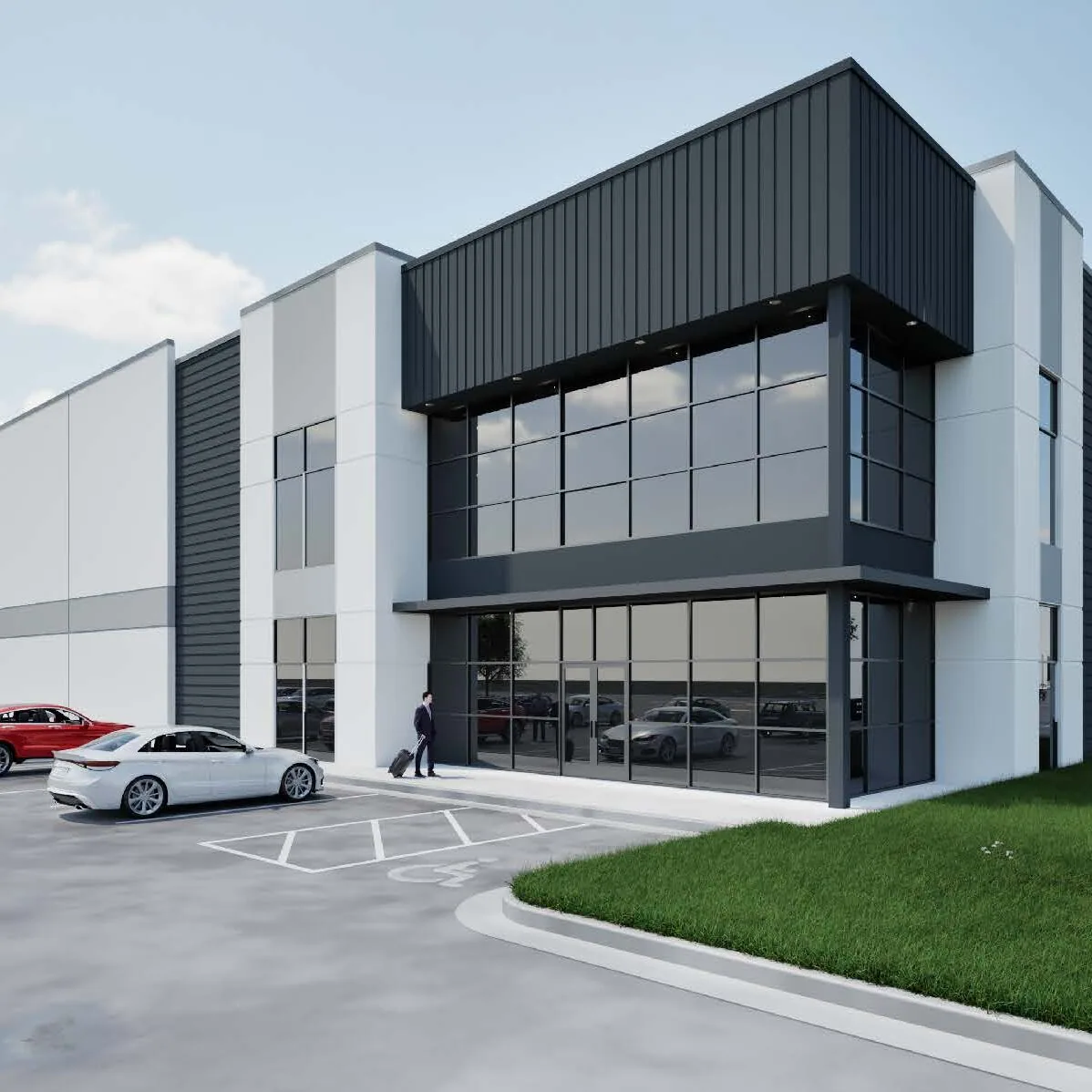
A dispatch window can determine which loading route is available for roof construction even when the roof itself is ready for work. Deliveries, outbound movement and lifting access need a coordinated site arrangement before material arrives. Commercial Roofing Centennial assesses distribution center roofing in Centennial, CO, around those operating dependencies. We define the roof work and its staging needs together so the owner can judge the complete construction commitment.
Highfield Business Park accommodates distribution activity alongside assembly, technology, laboratory and office uses. At a distribution property in that setting, roof access may compete with several scheduled movements across the day. We examine the actual dock layout and affected roof construction. The proposal identifies where repairs or removal can proceed and which routes require release, instead of treating site logistics as a separate problem left until mobilization.
Roof access, waste containers and material lifts can occupy space used by dock approaches or trailer movements. We examine those conflicts with the operator before choosing staging positions. The plan needs suitable separation from normal circulation and access required for emergencies. A vacant parking space does not necessarily provide a practical location for recurring construction handling.
We identify which movements can continue around the selected work area and which need a scheduled change. That release should correspond to particular roof tasks rather than remain an undefined restriction throughout the project. A warehouse roof project may involve similar stored-goods concerns, but a distribution site's shipment timing adds another operating dependency. The construction allowance includes the access arrangement necessary for its actual work sequence.
Water appearing near a loading area can originate in a roof detail, wall connection or other adjoining construction. We compare the interior observation with the exterior interfaces before selecting a correction. The roof covering should not receive an isolated patch merely because the leak appears under its edge. The investigation identifies the construction responsible for the entry route.
Examination of distribution building leaks can include nearby curbs, seams and outlet conditions. We assess concealed material where the observed intrusion warrants further opening. The repair boundary reaches damaged layers rather than stopping at the first visible surface gap. The owner understands which water connection the proposed work corrects and whether another building component requires attention through a separate coordinated scope.
Daily removal should be limited by the assembly that can be appropriately reconstructed or protected within the work period. Large open roof areas may still contain details or concealed damage that slow closure. We examine those conditions before fixing the proposed phase. Weather and actual findings can change the next removal boundary during construction.
Reroofing while distribution operations continue connects the exposed roof with the occupied area below it. Inventory and processing space may need temporary protection or release at a specific phase. We identify that dependency before opening the covering. The operator can coordinate its shift or dispatch activity around a defined construction boundary instead of responding to an unplanned interior protection need while the roof is already exposed.
Ventilation, cooling and other rooftop systems can restrict access to the details beneath them. Rebuilding a curb may require work from the responsible equipment trade before roofing begins. We identify those connections and coordinate the release needed to reach them. Their interruption window may differ from the time available for work across the surrounding field.
Equipment curb and support construction includes the relevant roof interfaces and supporting questions. The finished connection should remain accessible after the equipment returns. We assess whether later service routes need protection of the new covering. A distribution roof plan that renews the field but leaves unsuitable equipment details outside the scope can preserve a recurring repair need above an otherwise completed assembly.
Some facilities combine ordinary distribution space with refrigerated rooms, offices or other specialized areas. The roof construction serving those uses may have different insulation and moisture-control requirements. We identify the relevant building conditions and coordinate questions requiring design evaluation. The covering choice alone does not establish a suitable thermal assembly for every room beneath it.
A cold storage roof assessment considers the construction associated with that specific operating condition. We distinguish it from adjoining roof areas where the building use differs. Necessary removal, retention and detail corrections are then defined within their proper boundaries. The owner can compare the construction required for each area rather than assume one uniform specification resolves all interior conditions across the footprint.
Roof covering, attachment and concealed material condition affect the replacement or repair choice. We examine the existing assembly before fixing a new membrane specification. Wet insulation or damaged receiving construction can enlarge the required removal. Retained material needs condition suitable for the selected system and a clear description within the proposal.
A PVC distribution roof assembly or another appropriate option brings its own preparation and detail requirements. We compare those requirements with the actual building rather than select a covering from the property category alone. Drainage elevations and equipment flashing heights also enter the proposed layer arrangement. The owner receives an assembly price that includes related construction, not a membrane quantity with its supporting work left unresolved.
Dove Valley Business Park contains industrial, flex and office activity near the broader south-metro commercial area. A distribution property within that setting still needs maintenance access tied to its actual roof layout. We identify routes to drains, equipment and renewed details before releasing construction. Later goods handling or site changes should preserve the roof access required for condition checks.
For distribution properties in Highfield Business Park, the handover identifies completed roof boundaries and relevant service protection. Debris and sharp equipment components should not remain on the covering after maintenance. We explain how later roof examinations can identify damage or developing connection problems. The owner can then coordinate those visits with ordinary operations while retaining a clear basis for evaluating future repair or capital work.
Construction movement can conflict with trailer routes and loading areas used on a schedule. We identify practical staging and any necessary release with the operator. The roof work plan should support its actual material and waste handling before mobilization.
Adjoining wall or perimeter construction may contribute to the entry route. Interior location alone does not establish the failed component. We compare the observation with exterior connections and identify the coordinated correction needed.
The roof opening and interior protection needs establish the affected space. Particular storage or processing areas may require a temporary change during that phase. We connect those releases with defined construction tasks rather than assume the whole facility must become unavailable.
Their insulation and moisture-control needs require evaluation against the actual operating conditions. The covering alone does not settle that assembly choice. We distinguish specialized areas from adjoining uses before defining the construction scope.
Practical routes to outlets, equipment and renewed details support later examination and servicing. Those areas also need appropriate protection during maintenance. We identify access obligations at completion so ordinary operation does not conceal necessary roof connections.
Commercial roofing in Centennial
Commercial roofing in Centennial
Commercial roofing in Centennial
Commercial roofing in Centennial
Commercial roofing in Centennial
Commercial roofing in Centennial
Commercial roofing in Centennial