Commercial Roofing Contractors in Centennial, CO

About Commercial Roofing Centennial

Meet the commercial roofer serving Centennial owners and facility teams. We inspect and repair roofs around building conditions and operating needs.

How We Work


Commercial roof work is a building decision before it is a material order. We help owners, property managers, facility teams and general contractors understand what the roof shows, where work should stop and how the next phase can protect the building. Our Centennial, CO, work includes inspection, repair, replacement, recover, restoration, coatings and maintenance for low-slope and metal systems. The city connects business through I-25 and light rail; Midtown Centennial has historically contained office parks and commercial space. Those buildings do not necessarily share a roof assembly. We inspect the actual system, note drainage and transitions, and tie recommendations to property operations.

Contact Us

WHAT WE COVER

Roofing Across Centennial


21

Services

11

Roof Systems

30

Property Types

30

Service Areas

Begin With the Roof in Front of Us


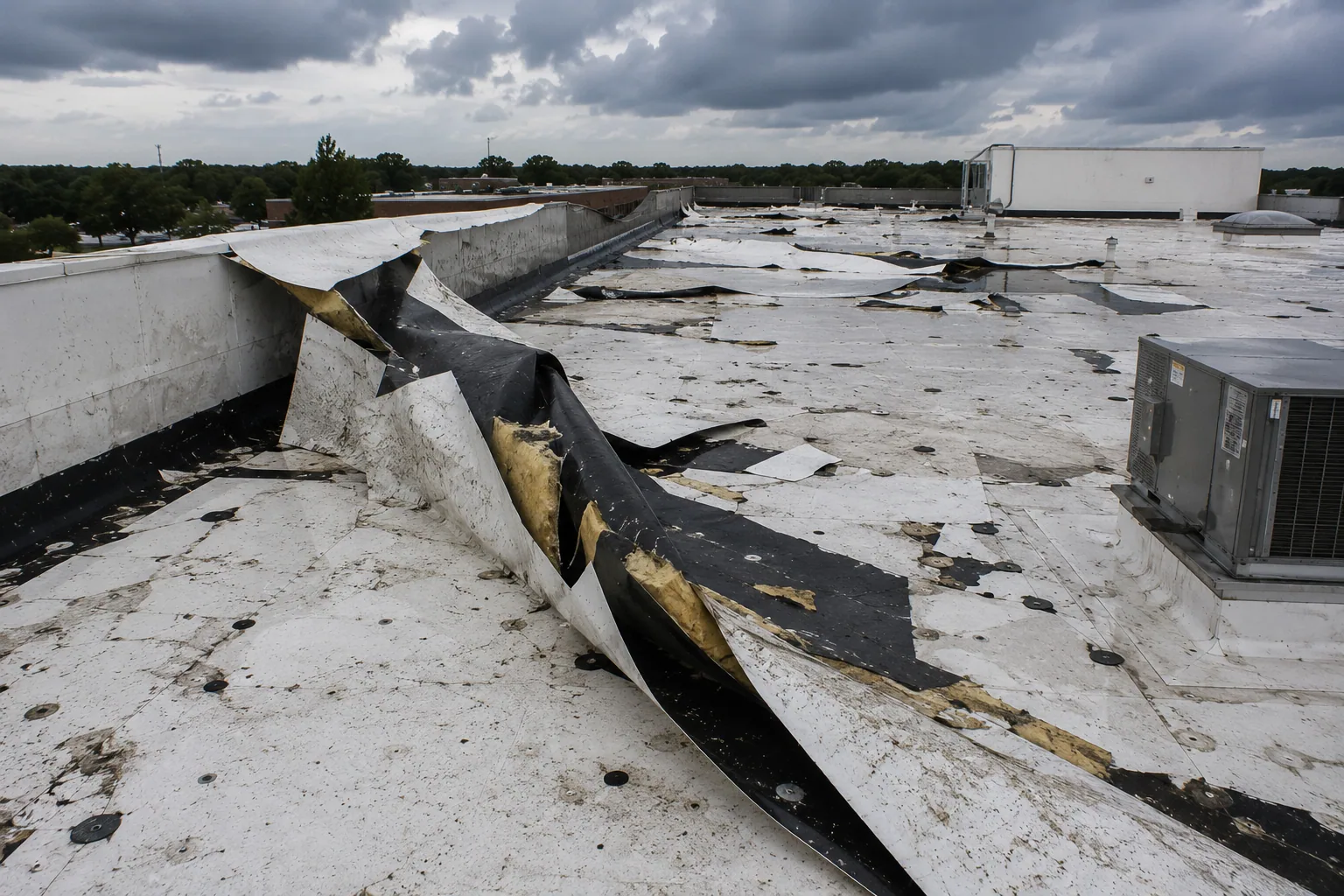
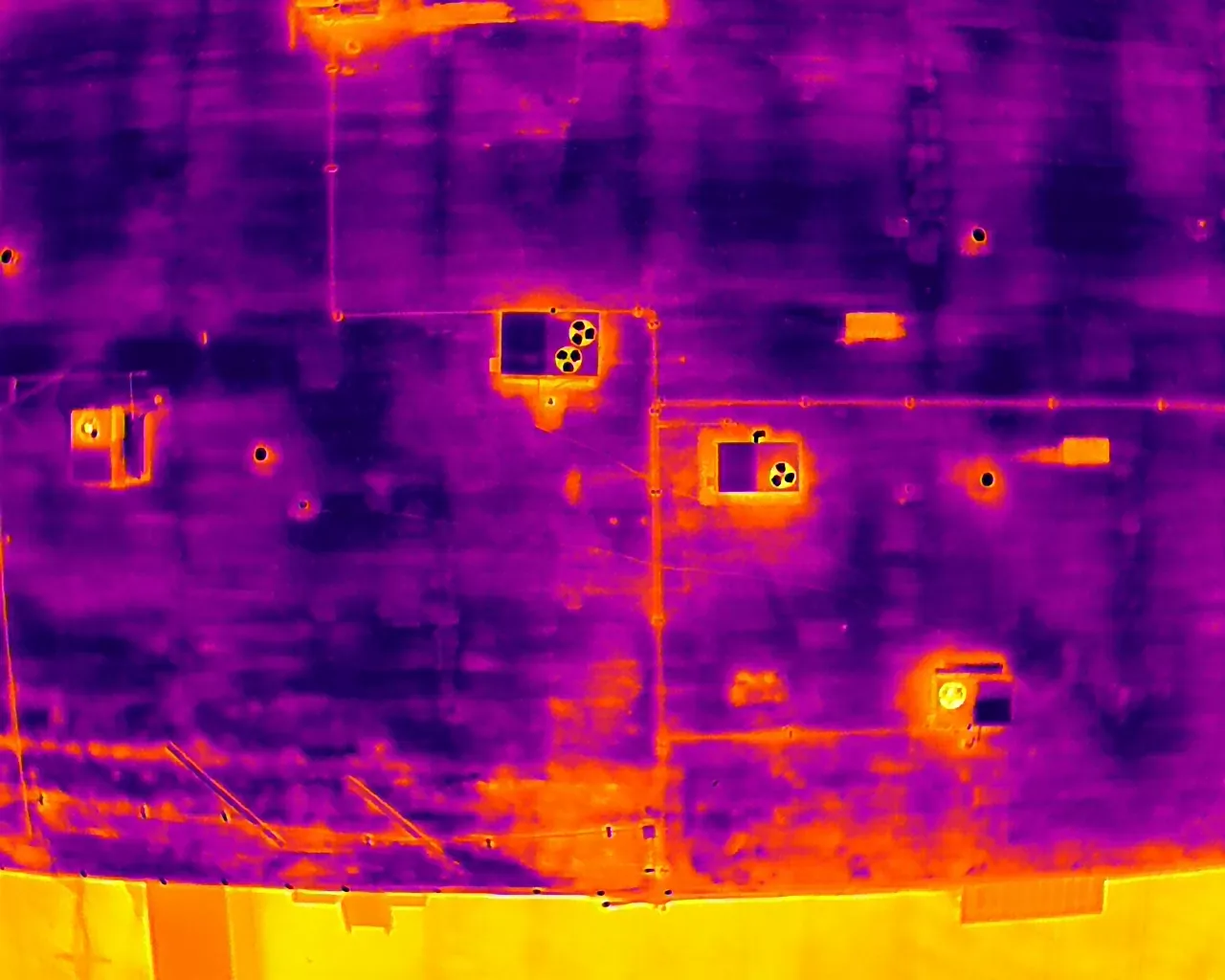
A leak, storm report or aging surface can start the conversation, but none sets the scope by itself. We examine roof field, seams, penetrations, flashing, edges, drains and interior symptoms together. Where construction or moisture is unclear, we identify an opening or survey that could change the repair limit. Photographs, marked locations and a written condition report keep findings connected to recommended work. An owner may compare a focused inspection with an infrared survey if the assembly calls for more investigation. We distinguish visible conditions from items needing confirmation rather than turning one stain into a roof-wide conclusion.

Plan for the Property Use


Centennial has a mixed commercial setting. The Streets at SouthGlenn combines shopping, dining, residential and workplace uses. Midtown Centennial historically held office parks and commercial properties. These places create different staging and access questions, but neither tells us whether one building has wet insulation or loose attachment. We ask how the property operates, where crews can stage, which areas must stay open and what equipment requires service. That creates practical limits before work begins. It also helps a general contractor coordinate dry-in and trade handoff instead of having several crews compete for the same roof opening.

slab being lifted by crane

Price the Condition-Supported Work


We repair localized defects when nearby materials can receive a lasting connection. That may require replacing membrane, rebuilding a curb detail, correcting a termination or improving drainage around a drain or scupper. If the defect reaches broad moisture or attachment failure, the repair boundary must expand or replacement may be worth comparing. A recover can retain existing layers only when the substrate supports the installation. We explain what remains, what is removed and where concealed conditions could change price. The owner can compare repair, recover and replacement against the same documented area.

Select a System for the Assembly


Restoration and coating are options for a surface that is compatible, prepared and suitable. A coating does not rebuild a weak deck, correct failed attachment or remove hidden moisture. We inspect seams, penetrations, edges and drainage before discussing restoration. Replacement choices can include membranes, built-up, modified bitumen, metal and foam assemblies. Deck, use, access and service demand guide comparison. Product selection follows applicable specifications and site conditions, not a claim that one system fits every property. Our TPO, EPDM and metal work each needs its own detail plan.

slab being lifted by crane

Protect Occupied Operations


Roofing happens above people and equipment, often while the building remains open. We coordinate access, staging, deliveries, noise, temporary protection, rooftop equipment and the daily dry-in line before removal begins. A phase needs a defined work area and verified closeout. At a mixed-use property, pedestrian routes and deliveries may determine when materials arrive. At an office, mechanical shutdown or interior protection may require notice. We include those items in the work plan so facility contacts can coordinate with tenants and trades. Our occupied-building sequence sets phases, while curb work is coordinated where mechanical details meet roofing.

Keep the Record and Review Aligned


We document assembly, repair locations, materials, photographs, open questions and maintenance needs. A report helps the next facility contact find the area and understand what changed. For weather-related work, records distinguish observed impact from assumptions about cause. For replacement, closeout notes identify system, attachment and transitions. Those records help plan later inspections and compare roof zones. A condition report, maintenance plan and claim documentation serve different decisions; we use what fits rather than producing paperwork without a purpose. A project record also notes the inspection checkpoint, submitted fastening details and whether the roof area was ready to close. This keeps the owner, inspector and installation crew working from the same defined boundary. If a field condition changes the plan, we document the revised removal limit and the material that receives the new work. That is more useful than leaving a general statement that the roof was completed.

Centennial requests commercial roofing submittals with a plot plan showing work areas and manufacturer specifications for fastening and installation. The city requires a mid-roof inspection and offers virtual mid-roof and final inspections. We plan those holds before installation covers concealed details and coordinate records needed for closeout. Requirements depend on property and scope, so we confirm project specifics instead of applying a residential exemption to a commercial roof or guessing which rule controls. This preparation helps the owner understand timing, review needs and the work step that must remain accessible.
slab being lifted by crane

Bring the Building and Work Window


A useful first discussion includes building use, roof access contact, known assembly, interior leak location, previous repairs and operating constraints. A roof plan, inspection report or photographs can help us prepare, but they do not replace a site assessment. We can identify the condition that changes the scope and explain remaining options. A repair proposal should state its boundary and materials; replacement should describe removal or retention, details, staging, inspections and closeout. We work across Centennial, Highlands Ranch, Lone Tree and Greenwood Village. Tell us what needs attention and when the building can support a roof walk. For an active leak, we discuss stabilization and safe access first; for planned capital work, we can organize an assessment before the budget window. We also explain which decision can be made from the current inspection and what evidence would change it. That distinction gives a manager a fair way to compare repair, recover and replacement without pricing assumptions hidden in the scope. When the roof is open, photographs of layers and transitions help show why the work boundary moved. At handback, the owner can carry those notes into maintenance planning and future capital review, with no need to infer what was covered.

Talk to Us About Your Roof

Send the building details, roof type and any known leaks. We review it and outline the next practical step.

Contact Us
Commercial Roofing Centennial worker working on plans for a  concrete construction project

Tell us about the roof and the building.

Request a Roof Assessment
Call555-555-5555