
Assess modified bitumen roofing in Centennial. We compare application methods, existing layers and transitions before defining repair or replacement work.
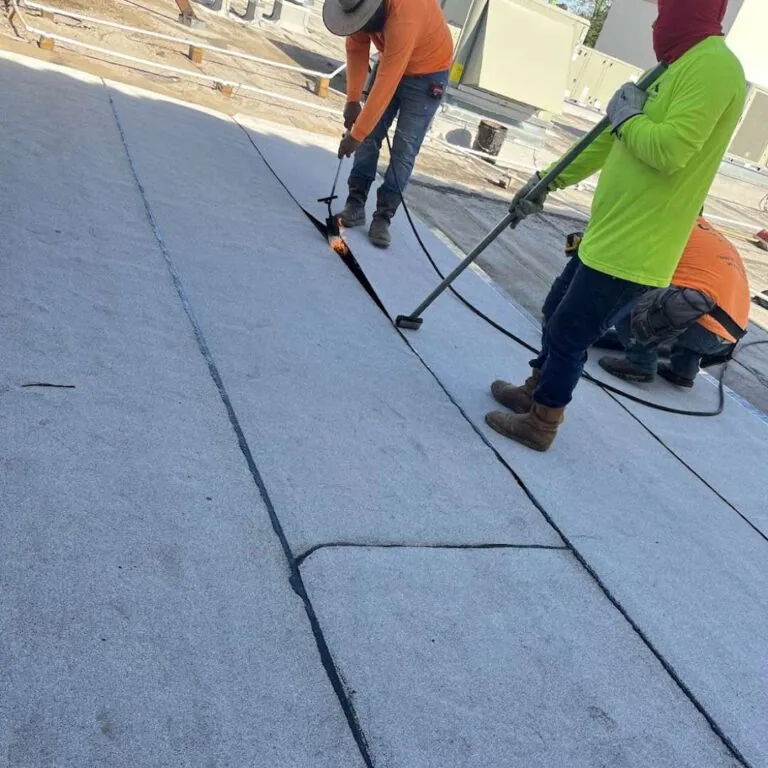
The application method for a modified bitumen roof can affect occupied-building arrangements as much as the material choice. Adhesives, heat and surface preparation bring different requirements to the proposed installation. Commercial Roofing Centennial assesses modified bitumen roofing in Centennial, CO, by establishing the assembly and the method appropriate to it. We compare those construction needs before defining the removal boundary and operating sequence.
Englewood's Wellness District includes hospital-related activity, offices, retail and restaurants around Old Hampden. An occupied property serving that mix can have ventilation and access needs that matter during roofing work. We assess the actual building and proposed application rather than assigning one installation arrangement to every modified bitumen roof. The owner receives a scope that connects the material layers with their preparation, detail work and practical construction window.
Modified bitumen membranes use asphalt modified through different formulations, including SBS and APP products. Their reinforcement, surface treatment and installation requirements vary within the available systems. We identify the proposed product and assembly instead of choosing solely from the modifier name. The project requirements and building conditions guide the actual comparison.
The specified layers need compatible components and an application procedure suited to those materials. A product intended for one method should not be treated as interchangeable with another installation arrangement. Alternatives such as built-up asphalt roof assemblies involve their own layer construction and details. We explain the scope contained in each option so the owner can compare complete systems rather than broad material categories with different assumptions.
Modified bitumen systems can involve suitable cold-applied, self-adhered, hot-applied or heat-applied procedures depending on the selected products and designed assembly. Each method brings preparation and application requirements. We coordinate those requirements with occupied use, ventilation and the project safety arrangements. The installation plan should establish how the chosen procedure can be carried out at the actual building.
Heat-applied work requires appropriate controls and suitable conditions around adjoining construction. Other methods still need proper substrate preparation and handling. A reroof sequence for occupied spaces considers those dependencies before setting the daily work window. We identify areas needing coordination and explain the selected method's practical requirements. The owner can then judge the construction allowance with an understanding of how the specified layers will be installed.
Existing modified bitumen roofs may have several layers, repairs or earlier surface treatments. Their condition affects whether localized correction or a larger removal scope is appropriate. We examine relevant openings and identify moisture or deterioration beneath the surface. The number of visible patches does not by itself establish that every concealed layer needs replacement.
Conversely, a sound-looking surface can conceal wet insulation or unsuitable support. Assessment of insulation and receiving boards helps establish the construction beneath the proposed membrane. We explain which material can remain and where removal reaches damaged layers. A comparison with EPDM roof construction should state those underlying assumptions clearly, because the amount of reconstruction may affect the price as much as the covering choice.
Seams and laps need suitable connection throughout their intended width. Open edges, contamination or deterioration can affect the repair boundary beyond the first visible gap. We assess the surrounding material and select a compatible correction with the necessary preparation. The repair needs to reach receiving construction that can accept the proposed procedure. Granules or an existing finish may need suitable preparation at the joining surface, depending on the selected repair system.
At intersections and changes in plane, layer arrangement influences the completed connection. Repeated patches can add height and complicate drainage beside a detail. We identify those conditions before adding more material over the area. A permanent correction may require removing earlier treatments and rebuilding the connection. The owner receives an explanation of that work rather than a surface allowance that preserves the same unsuitable arrangement beneath another patch.
Wall and curb flashing must suit the selected modified bitumen assembly and adjoining construction. Its supporting surface, termination and available height all affect the detail. We examine those relationships before finalizing the field roof thickness. Damaged adjoining material or low curbs may require separate correction before the new flashing can be completed appropriately.
Penetration and curb detail rebuilding also needs suitable access for preparing and joining the materials. Equipment release can control that part of the installation even when the surrounding roof is available. We identify those dependencies while establishing the construction sequence. The finished field and vertical detail should form the intended connection, with a practical arrangement for later examination and equipment servicing.
Littleton has transportation connections through C-470 and Santa Fe Drive and borders Centennial, Englewood and Highlands Ranch. Commercial properties within that broader setting still have individual staging and roof access constraints. We assess the actual building routes before planning material delivery or waste removal. Road connections do not establish whether a particular entrance or parking area can be released.
For Wellness District properties in Englewood, the occupied uses can require coordination of construction activity with normal arrivals. A replacement plan for the complete assembly identifies daily removal limits and suitable closure. We connect those limits with the application method and material handling requirements. The owner can compare a defined construction sequence rather than a roof quantity detached from the site's practical work conditions.
Completed modified bitumen work needs examination of its laps, terminations and adjoining details as well as the field covering. Drainage outlets should remain clear and accessible after installation. Equipment servicing requires appropriate protection of the surface and renewed connections. We identify the care relevant to the selected assembly when the construction is released.
Later repairs should follow the installed materials and their suitable preparation procedures. Surface treatments chosen without compatibility review can complicate a future connection. We assess the actual condition before selecting a correction. Routine examination can direct attention to developing defects while their affected boundary remains limited, giving the owner a practical basis for deciding between repair and a broader planned construction expense.
The selected product and designed assembly define the appropriate application procedure. Products within the broad categories can have different requirements. We identify the actual layers and method before comparing construction scope or occupied-work arrangements.
Application materials and procedures can bring particular operating and handling requirements. The actual building use needs coordination with the selected method. We assess those conditions before fixing the work window rather than assuming that every application can proceed around occupants identically.
Localized correction may be useful where surrounding materials and concealed construction remain suitable. Deterioration or moisture can enlarge the necessary boundary. We examine the lap and adjoining layers before selecting a compatible repair procedure.
Their condition, compatibility and accumulated height can affect preparation and drainage. Some treatments need removal before a new connection can reach suitable material. We establish that work instead of automatically adding another layer over the visible defect.
Closure capacity, application requirements and the exposed construction influence the work area. Concealed damage and weather can change that decision. We plan removal around the material that can be appropriately installed or protected within the available period.
Commercial roofing in Centennial
Commercial roofing in Centennial
Commercial roofing in Centennial
Commercial roofing in Centennial
Commercial roofing in Centennial
Commercial roofing in Centennial
Commercial roofing in Centennial