
Repair skylight and roof penetration flashing in Centennial. We assess curb height, terminations and access before rebuilding damaged watertight connections.
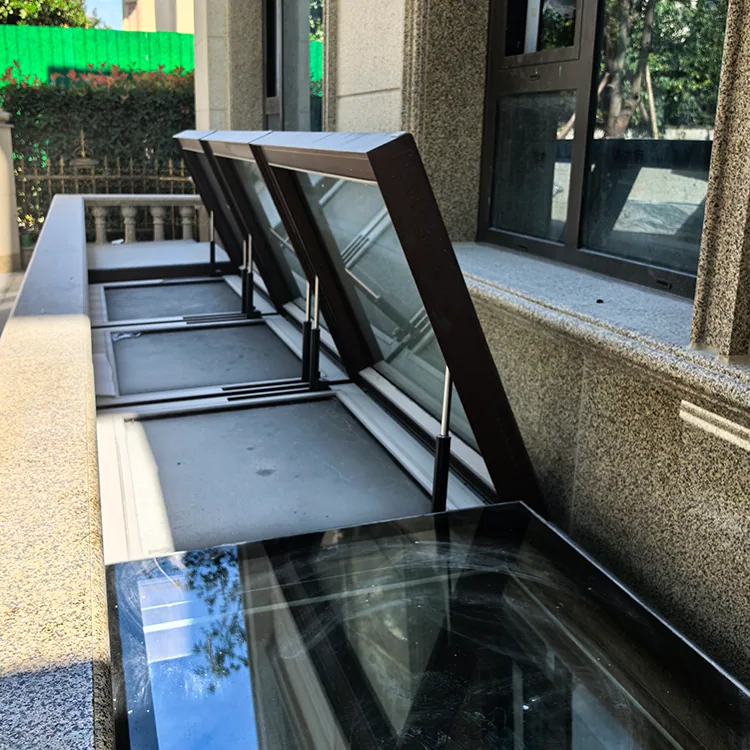
Replacing a damaged skylight flashing may require releasing its surrounding equipment area before any membrane work can begin. The cost follows the whole connection, including curb condition, available height and access for preparation. Commercial Roofing Centennial repairs skylight and penetration flashing in Centennial, CO, after examining how each detail joins the roof. We identify the components needing correction and establish the construction boundary before selecting repair materials.
Greenwood Village contains business areas such as Greenwood Plaza and Village Center, with office and professional-service activity. For an occupied property in that setting, a penetration repair may need coordination with equipment servicing and room protection. We assess those actual dependencies at the affected roof detail. A small visible split can then receive the appropriate work allowance instead of a narrow patch that leaves its failed support unchanged.
The vertical distance above the finished roof affects how flashing can connect at equipment curbs and skylight bases. Added insulation, accumulated roofing layers or low original construction can reduce that available height. We measure the relationship before deciding whether the existing curb can remain. Correcting its height may involve equipment release or adjustment in addition to the roofing work.
Corner construction also matters where flashing changes plane around the curb. Unsupported folds, stretched material or damaged reinforcement can open those locations as the assembly moves. We examine the lower membrane connection and the upper termination together, then identify material needing removal. A repair designed solely around the visible crack can miss a defective corner or low connection nearby. The owner receives an explanation of the detail that must be rebuilt and why it needs a particular work boundary.
Pipes, conduit and equipment lines can move differently from the roof covering around them. A suitable detail accounts for that movement while maintaining a compatible weather connection. We inspect the existing boot, seal or fabricated flashing to determine whether it can be repaired appropriately. Pipe boots also need a sound upper closure where they meet the pipe. A cracked collar or loose clamp can admit water above an otherwise intact roof connection. Crowded lines or unusual shapes may require a different connection rather than reliance on a general sealant around each opening.
Correction of failed penetration details can include replacing unsuitable material and restoring securement where the system requires it. The repair also needs a stable receiving surface around the opening. Saturated insulation or deteriorated support can expand the work below the membrane. We identify those conditions before attaching new material to them. A complete penetration scope reaches both the visible weather seal and the construction that allows it to remain properly supported.
Water beside a skylight can involve its glazing, frame, curb or the roof flashing around the base. We compare those components during examination instead of assuming that every leak originates in the membrane. Cracked glazing, damaged seals or frame defects may require a suitable specialist or replacement component. Roof repair should not conceal that need beneath additional surface material at the curb.
A skylight's condition can also affect safe access, making fall protection and suitable working arrangements essential during examination. The investigation of active intrusion considers both the interior observation and the relevant exterior connections. We identify which part of the repair belongs to roofing and where another component needs attention. That separation helps the owner schedule a coordinated correction rather than complete the lower flashing while leaving a defective upper water path unresolved.
Flashing materials and joining procedures vary between roof systems, so existing covering identification precedes the repair choice. A sound connection requires compatible components and preparation suited to the receiving material. On PVC roof assemblies, appropriate welded details differ from the taped and bonded components used with rubber membranes. Bituminous systems involve their own material and application considerations.
Older coatings and patches can interfere with the new connection even where the surrounding roof remains usable. We identify what must be removed to reach material that can accept the chosen repair. Cleaning and dryness are practical installation requirements rather than optional finishing steps. The owner should understand why preparation may extend beyond the smallest visible defect. A defined detail-repair allowance can then account for that working area and the materials needed to complete it.
Highfield Business Park accommodates technology, assembly, distribution, laboratory and office uses. A property serving those activities may rely on rooftop systems that cannot be released without an operating plan. We assess which equipment or service lines restrict the flashing work and whether a temporary adjustment is necessary. The roof repair schedule should include that actual dependency before materials arrive.
For commercial properties in Highfield Business Park, the affected detail may serve one room or equipment area within a larger occupied building. Equipment curb and support adjustments can be coordinated with the flashing correction when the construction requires them. We explain which trade releases access and which roof area needs protection during the opening. The resulting sequence gives the owner a definite window for roof work and subsequent equipment return.
Flashing connects with surrounding construction that may include a wall, curb cap, equipment housing or older roof covering. Those adjoining components need suitable condition at the repair boundary. A renewed lower membrane connection cannot compensate for water entering through a deteriorated wall above it. We identify related construction needing attention and keep that work distinct from the selected flashing scope.
An inspection of nearby transitions can help establish whether the defect is isolated or part of a broader material problem. The completed repair is checked for its intended connections and recorded with relevant photographs. Future equipment servicing should protect the renewed detail and preserve access for examination. Where repeated movement or an unsuitable adjoining component remains unresolved, we explain the additional correction needed rather than treating another sealing visit as the permanent answer.
The finished roof elevation affects how much vertical height remains for flashing. Added material can leave an existing curb too low for the proposed connection. We examine that clearance and include any necessary equipment or curb adjustment in the construction comparison.
Glazing, frames and their seals can admit water separately from the membrane connection at the base. We examine the related components and identify specialist work where needed. The repair should reach the relevant entry route instead of assuming the lowest visible detail is responsible.
The shape, spacing and movement of the lines influence which compatible detail can be installed. Some arrangements need a different flashing construction or access adjustment. We assess the actual opening before selecting materials that cannot fit or connect properly.
Loose or incompatible material may need removal to expose a suitable receiving surface. We identify that preparation alongside the replacement detail. Applying new material over an unstable layer can preserve the defect rather than provide the intended membrane connection.
Wet insulation, damaged support or deteriorated surrounding covering can expand the removal boundary. The repaired detail needs sound material below and around it. We assess those conditions and explain any added work before treating the visible split as the complete scope.
Commercial roofing in Centennial
Commercial roofing in Centennial
Commercial roofing in Centennial
Commercial roofing in Centennial
Commercial roofing in Centennial
Commercial roofing in Centennial
Commercial roofing in Centennial