Assess failed flashing on Centennial commercial roofs. We examine receiving height, support and adjoining construction before defining useful detail repairs.
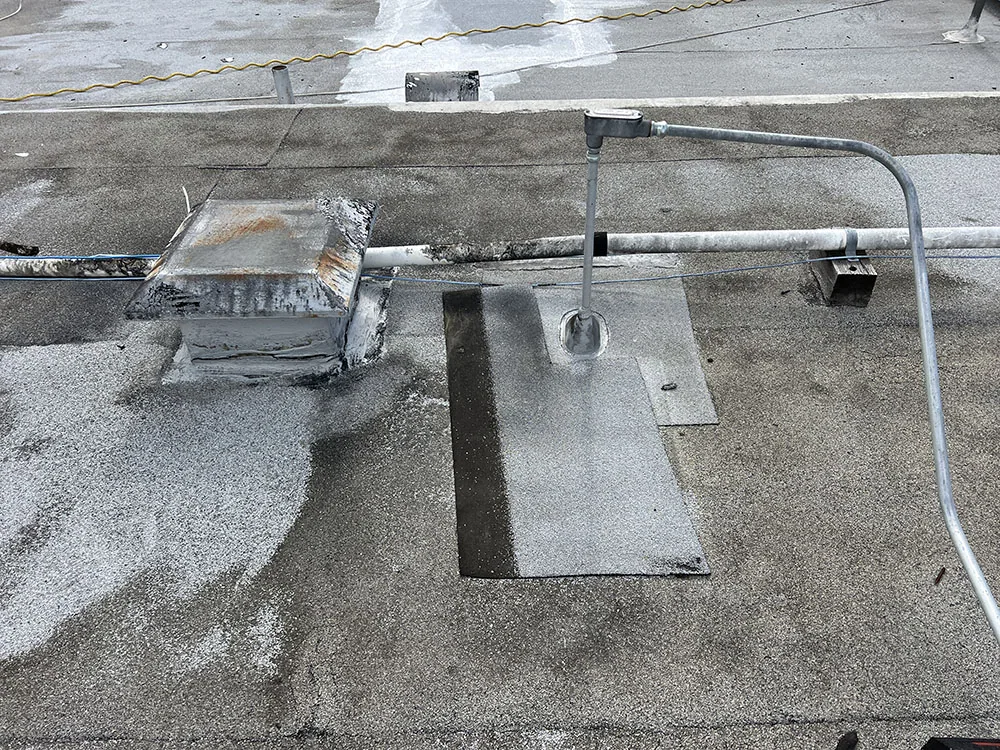
Repairing the lower flashing can leave water entering above it through a damaged termination or equipment enclosure. A useful detail scope needs to follow the whole connection before its material is selected. Commercial Roofing Centennial assesses failed commercial roof flashing in Centennial, CO. We examine the receiving surface, available height and adjoining components before defining preparation and the related work required to restore that weather boundary.
Centennial's commercial reroof guidance includes manufacturer installation and fastening information within its submittal arrangement. Highfield Business Park combines office and distribution uses with assembly, technology and laboratory activity. At an individual commercial property, the actual wall or equipment interface determines the flashing task. We identify that construction directly, connecting its correction with suitable supporting material and the occupied release needed to complete the detail.
Water entering near a vertical detail can involve the roof flashing, its upper termination or another component above it. We examine those interfaces before selecting repair material. A loose termination, deteriorated wall surface or defective counterflashing may require a different correction. The visible membrane opening should be assessed within that complete weather path.
Penetration and flashing assessment identifies the receiving surfaces and adjoining tasks. A new lower connection needs suitable construction at its top and sides. We explain which components require preparation or renewal before the detail is rebuilt. The owner receives a scope that connects the actual entry mechanism with a complete material boundary, including related wall or equipment work where it contributes to the observed water route.
Added roof layers can reduce the space available at an existing curb. We examine its receiving height and upper connection before specifying the new detail. A short or damaged curb may need adjustment rather than another treatment at its base. Supporting and equipment questions receive their appropriate evaluation through the responsible parties.
Curb and equipment-interface work connects those requirements with roofing preparation. The unit may restrict access to the surface needing correction. Its service release should permit the complete task, including examination of the receiving construction before new flashing conceals it. We identify that sequence before field work reaches the curb, allowing the owner to compare a complete detail expense with its related adjustment and operating requirements.
Accumulated sealant or incompatible patches can leave a detail without a suitable joining surface. We assess their condition before selecting a new component. Loose or contaminated material may require removal beyond the visible opening. The useful correction should reach a stable receiving surface appropriate to the selected repair method.
A rubber flashing assembly uses compatible bonding components and its specified preparation procedure. Thermoplastic or bituminous materials need their own appropriate connection methods. We identify the installed system and relevant treatments before fixing the repair scope. The owner receives an explanation of the material removed and the detail supplied, with preparation included as a necessary construction task rather than left beneath another unsupported surface treatment.
A pipe, support or change in roof elevation can introduce movement different from the surrounding field. We examine that interface before selecting weatherproofing. The connection needs a suitable shape and appropriate components for its application. A rigid treatment across a moving joint can leave the same mechanism affecting the renewed surface. Inside and outside corners also need suitable material fit. A stretched piece or unsupported fold can concentrate strain where the connection changes direction. We examine that shape and the substrate beneath it before preparation. The proposed components should follow the actual detail without relying on accumulated sealant to fill an unsuitable geometry or hold a loose receiving layer.
Open seam assessment near flashing can identify adjoining material needing a compatible tie-in. Where a supported line contacts the covering, a service adjustment may belong alongside the flashing task. We coordinate that access with the responsible parties. The repair should connect to sound field material while preserving its intended movement arrangement, with the receiving support and clearances assessed before components are installed around the interface.
Water admitted through flashing can affect insulation or supporting construction beneath it. We examine those layers where findings require further opening. A new visible detail should not conceal material unsuitable to receive or support it. The removal boundary follows the affected construction and the adjoining condition needed for a sound connection.
Investigation of water at roof transitions compares indoor observations with the exterior detail and possible concealed travel. A nearby drainage correction may also be needed where retained water reaches the interface. We describe those separate material tasks before selecting construction. The owner can coordinate the interior space and any related opening around a defined scope that addresses both the entry and the receiving condition.
Inverness Business Park includes office development and residential activity. At an occupied commercial property there, the equipment above a flashing detail may serve spaces unavailable during an ordinary roof visit. We identify the affected connection and the access required before planning the repair. The responsible property parties coordinate their operating release around that specific task.
For commercial roofs around Highfield Business Park, an office roof interface may also need interior examination beneath the selected opening. We explain that boundary before removal. The phase should have compatible materials and suitable closure ready for the detail. Concealed findings requiring a larger opening need revised access or protection before the correction expands into another occupied area or adjoining equipment connection.
We examine the renewed flashing and its tie-in to the field before the detail is released. Supporting corrections and the upper weather connection should be identifiable within the completed scope. Related equipment or wall work remains clear where another task is still scheduled. The owner receives installed material information appropriate to the actual assembly.
Later servicing should preserve access to the detail and protect its surface from sharp parts or unrelated treatments. A changed unit or support needs assessment of the new interface before another weather connection is made. We explain those care considerations at completion. Subsequent roof examination can identify developing defects through the full transition, allowing future repairs to follow actual material condition and useful construction instead of repeatedly treating only the lowest visible opening.
An upper termination, wall component or equipment enclosure can contribute to the same entry route. The lower detail alone may not address it. We trace the connection before selecting the material correction.
The higher finished surface can reduce available flashing space. Adjustment may be needed before a compatible detail is installed. We examine those clearances alongside the proposed assembly and equipment release.
Loose, contaminated or incompatible receiving material may prevent a useful connection. Preparation can require removal of older treatments. We identify a suitable surface before choosing the completed repair procedure.
A pipe or joint may move differently from the field covering. Its detail needs appropriate geometry and compatible components. We examine the support and interface before selecting a correction that preserves that arrangement.
Water may have damaged insulation or supporting material beneath the connection. Those findings can enlarge the useful opening. We explain the affected construction and coordinate access before rebuilding the visible flashing.
Commercial roofing in Centennial
Commercial roofing in Centennial
Commercial roofing in Centennial
Commercial roofing in Centennial
Commercial roofing in Centennial
Commercial roofing in Centennial
Commercial roofing in Centennial
Commercial roofing in Centennial