Assess rooftop equipment curbs and supports in Centennial. We coordinate load paths, flashing heights and service access before defining roof construction.
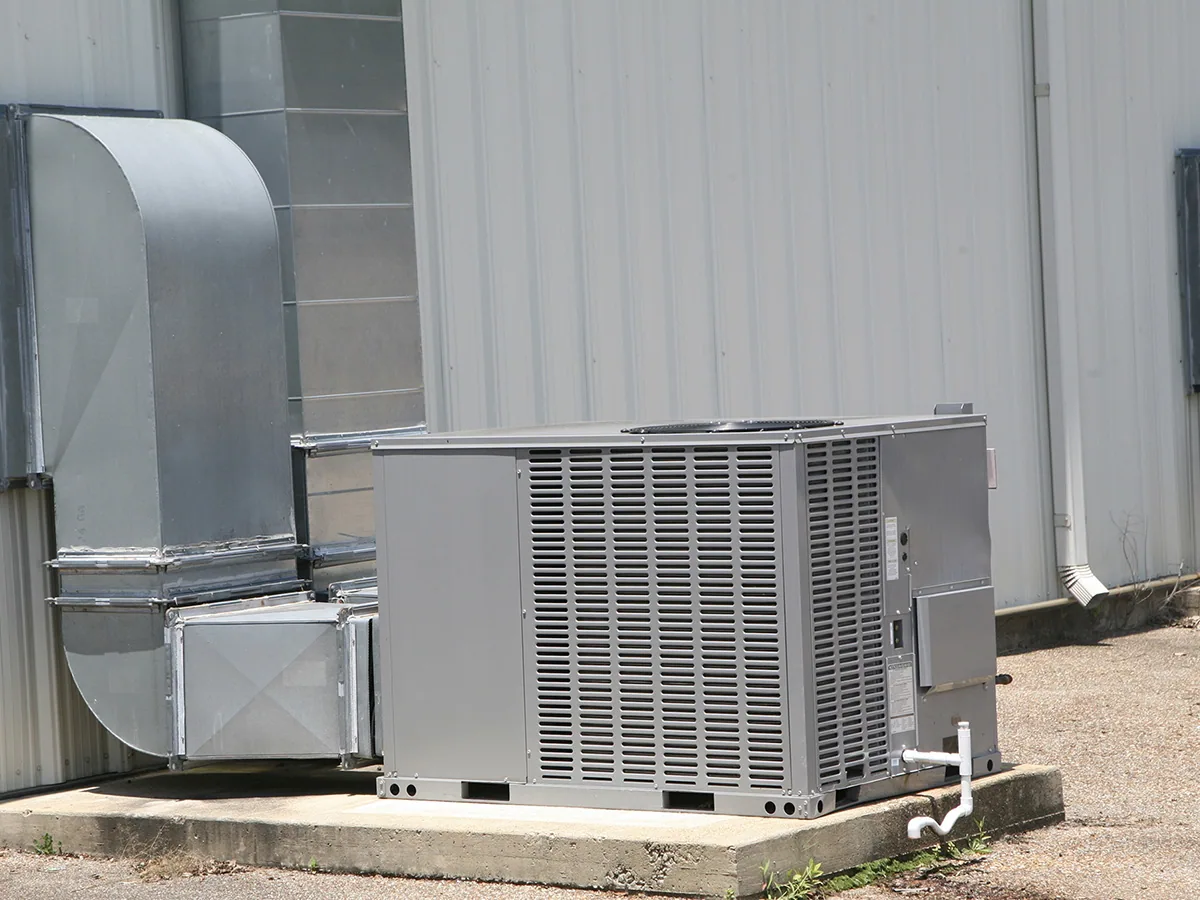
An equipment replacement can require roof construction before the new unit is ready to operate. Its footprint, weight and connection height may differ from the equipment being removed. Commercial Roofing Centennial assesses rooftop equipment curbs and supports in Centennial, CO, to establish those roofing dependencies. We coordinate the supporting construction and weather connections with the parties responsible for the equipment and its installation.
Parker's Medical Mile includes healthcare providers and related manufacturing activity. At a property serving those uses, an equipment change may depend on a limited interruption window for occupied rooms. We examine the actual roof opening and service requirements before planning that window. The resulting scope identifies what must be prepared beforehand, which construction follows equipment release and how the opening will be protected during the change.
A roof covering provides weather protection but does not establish the building's capacity for new equipment. Equipment loads must reach suitable supporting construction through an arrangement appropriate to the building. We identify the proposed supports and coordinate questions requiring structural evaluation. The weight of the unit alone does not describe every load involved in its installation and use.
Concentrated support points, service movement and the equipment's location can matter alongside its overall weight. A new unit placed over an existing curb may still need changes below that connection. We separate necessary structural work from the weatherproofing that closes the roof around it. For medical office roof work, this coordination helps establish whether the proposed equipment location can be used before the owner commits to a removal and delivery sequence.
A curb needs to suit the equipment connection and the roof assembly surrounding it. Changes in unit dimensions can leave an old curb unsuitable even when it appears sound. We examine the opening, curb construction and proposed adapter arrangement with the equipment installer. Unused portions of an old opening also need appropriate closure, with supporting construction and insulation suited to the finished assembly. Leaving that closure to an improvised field patch can create an unsupported area beneath the new covering. We define its construction with the other curb changes. The roofing scope identifies the surfaces needing preparation and the connection requiring new flashing.
Height above the finished roof matters separately from the equipment fit. Additional insulation or existing roof layers can reduce the available vertical distance for the intended detail. We assess that clearance before selecting a reuse or replacement option. Insulation and cover board planning can therefore belong in the same equipment project. Addressing both decisions together avoids raising the field roof first and discovering that the remaining curb height cannot accept the proposed weather connection.
Rooftop piping can require supports that protect the covering while maintaining the intended alignment and clearance. A support selected only to raise the pipe may concentrate pressure or interfere with drainage. We inspect its contact with the roof and coordinate the pipe's movement requirements with the responsible trade. The arrangement should not restrain a line in a way that transfers unsuitable force to another connection.
Loose blocks, deteriorated pads and displaced supports can expose the membrane to abrasion or uneven loading. We identify whether those conditions require replacement, a different support arrangement or work below the covering. On PVC roof surfaces, compatible contact materials and protection remain part of that assessment. The owner receives a defined correction for the support location rather than a membrane patch that leaves the same source of wear in place.
New equipment and service supports can interrupt an established route to a drain or scupper. We examine the surrounding roof elevations and identify where the proposed arrangement could trap water. A curb may require a cricket or another planned drainage adjustment on its uphill side. These details need coordination with the supporting construction rather than installation after the equipment obscures the work area.
Existing ponding near a support also deserves examination before the support is reused. The low point may involve an unsuitable location, compressed insulation or a broader drainage problem. We assess the affected area and explain the correction relevant to it. Repair of trapped roof water can be coordinated with the equipment work where those conditions share a construction boundary. A successful unit installation should leave a workable drainage path around its completed roof connections.
Disconnecting power, refrigerant, ventilation or other services belongs with the qualified parties responsible for those systems. Roof work follows the access that their release creates. We establish when the curb becomes available, which components can be prepared earlier and what temporary protection is needed. Lifting and delivery arrangements should also account for the condition of the roof surfaces used during access.
Highfield Business Park includes laboratory, assembly and technology activity alongside offices and distribution uses. At an occupied property in the Highfield Business Park area, an equipment change may need coordination with several operating departments. We connect the roof work window with that actual release process. A roof sequence for occupied operations can include protected routes and temporary closures without treating the whole building as unavailable throughout the construction period.
Equipment positioning should leave suitable access to flashing, terminations and components that will need maintenance. Closely packed units can make those connections difficult to examine or repair. We identify access constraints before final placement and coordinate practical corrections where the equipment arrangement allows them. The completed roofing detail should remain reachable after the installation crew removes its temporary working space.
Curb and penetration flashing work closes the relevant weather connections with materials appropriate to the roof system. We check those connections after equipment placement and identify damage needing correction before the area is released. Service personnel should protect the renewed detail when changing filters, panels or pipe components. Photographs of the completed roof interfaces can help distinguish those connections from later equipment modifications and direct future examination to the correct area.
Dimensions, load requirements and the proposed equipment connection all affect reuse. An adapter alone does not establish the suitability of the supporting construction. We coordinate the equipment fit with structural questions and flashing height before defining the roof work.
The support arrangement can block a water route or create a pocket behind a new curb. We review surrounding elevations and outlets before construction. Necessary drainage details belong in the proposed assembly rather than being added after the unit limits access.
The appropriate equipment and service trades manage their own system release. We coordinate the roof opening with that work and explain when access becomes available. The construction schedule includes temporary weather protection while the equipment connection is unavailable.
Unsuitable contact materials, concentrated pressure or movement can wear the receiving surface. Displaced supports may also leave piping improperly positioned. We assess both the damaged covering and the support arrangement so the correction addresses the ongoing source of wear.
Reachable flashing and service components make later examination more practical. A layout that hides the roof connection can complicate repairs after installation. We identify those access constraints while placement choices remain available and coordinate them with the equipment installer.
Commercial roofing in Centennial
Commercial roofing in Centennial
Commercial roofing in Centennial
Commercial roofing in Centennial
Commercial roofing in Centennial
Commercial roofing in Centennial
Commercial roofing in Centennial