Roofing Capabilities


Review inspection, moisture survey, maintenance and project planning options for commercial roofs in Centennial, with findings tied to practical next steps.

A useful roof capability is a field task with a decision attached. In Centennial, CO, we inspect low-slope and metal commercial roofs, use drone and infrared methods where they answer a question, prepare condition reports, repair and replace systems, and maintain completed work. Midtown Centennial's office and commercial stock and The Streets at SouthGlenn's mixed-use operations show why access varies in one market. We plan around each property. Owners can start with a condition report or a hands-on inspection that identifies what should happen next.

Commercial Roof Asset Management

Manage roof condition across Centennial properties. We identify assembly boundaries, completed corrections and developing material needs before planning work.

Commercial Roof Capital Planning

Plan roof capital expenses for Centennial properties. We compare repair boundaries, receiving work and operating releases before defining useful renewal phases.

Commercial Roof Condition Reports

Assess Centennial roofs with findings and photos. We connect observed defects, receiving-layer questions and useful material work before selecting repairs.

Commercial Roof Warranty Management

Coordinate roof warranty requirements in Centennial. We identify installed systems, repair interfaces and material-care tasks before planning useful work.

Commercial Roof Due Diligence Surveys

Assess Centennial roofs for acquisitions and refinancing. We identify assemblies, observed defects and receiving questions before comparing useful roof work.

Multi-Site Commercial Roof Programs

Coordinate roofing across Centennial commercial sites. We compare assembly needs, equipment releases and material routes before defining useful site phases.

Make the Inspection Answer a Question


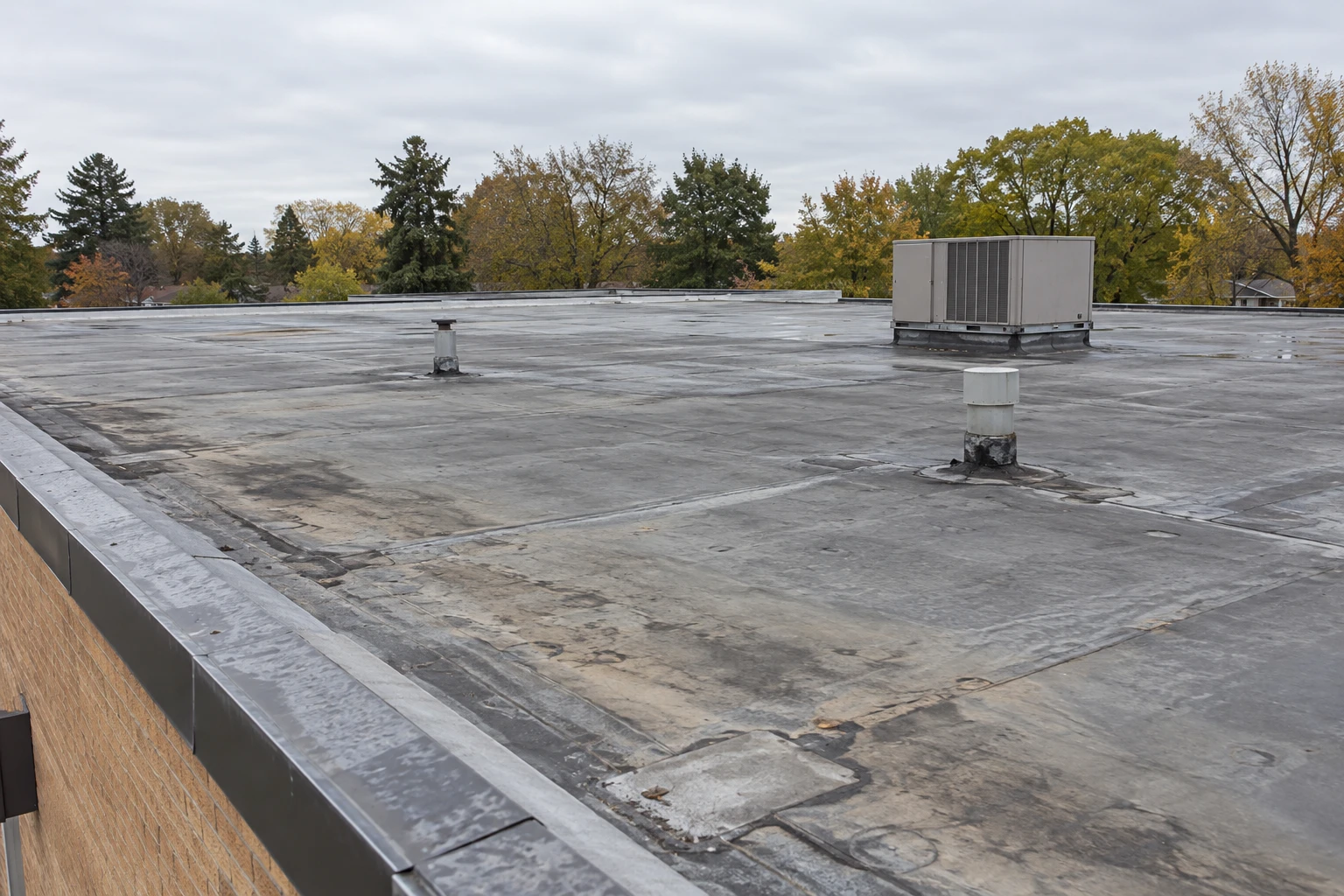
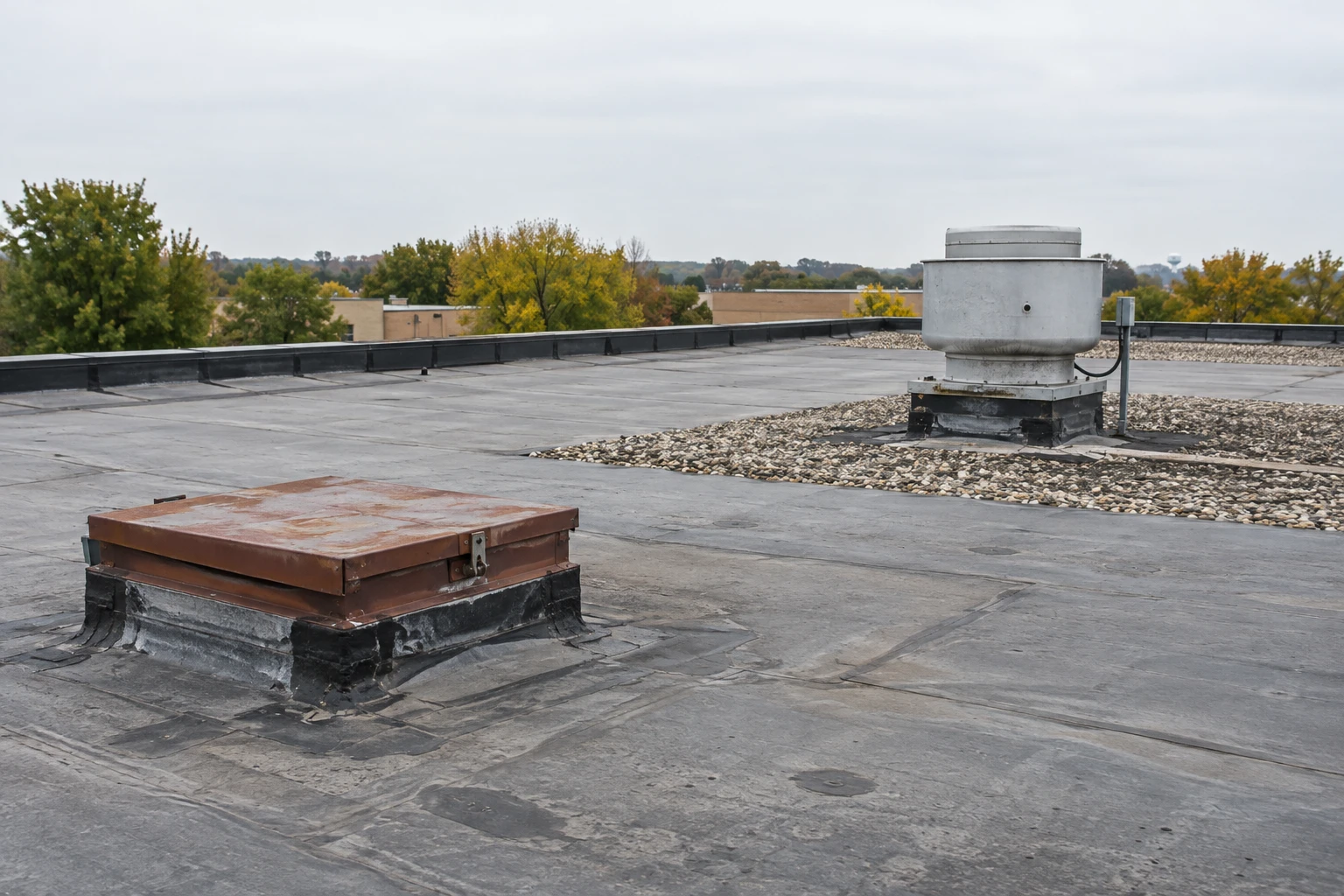
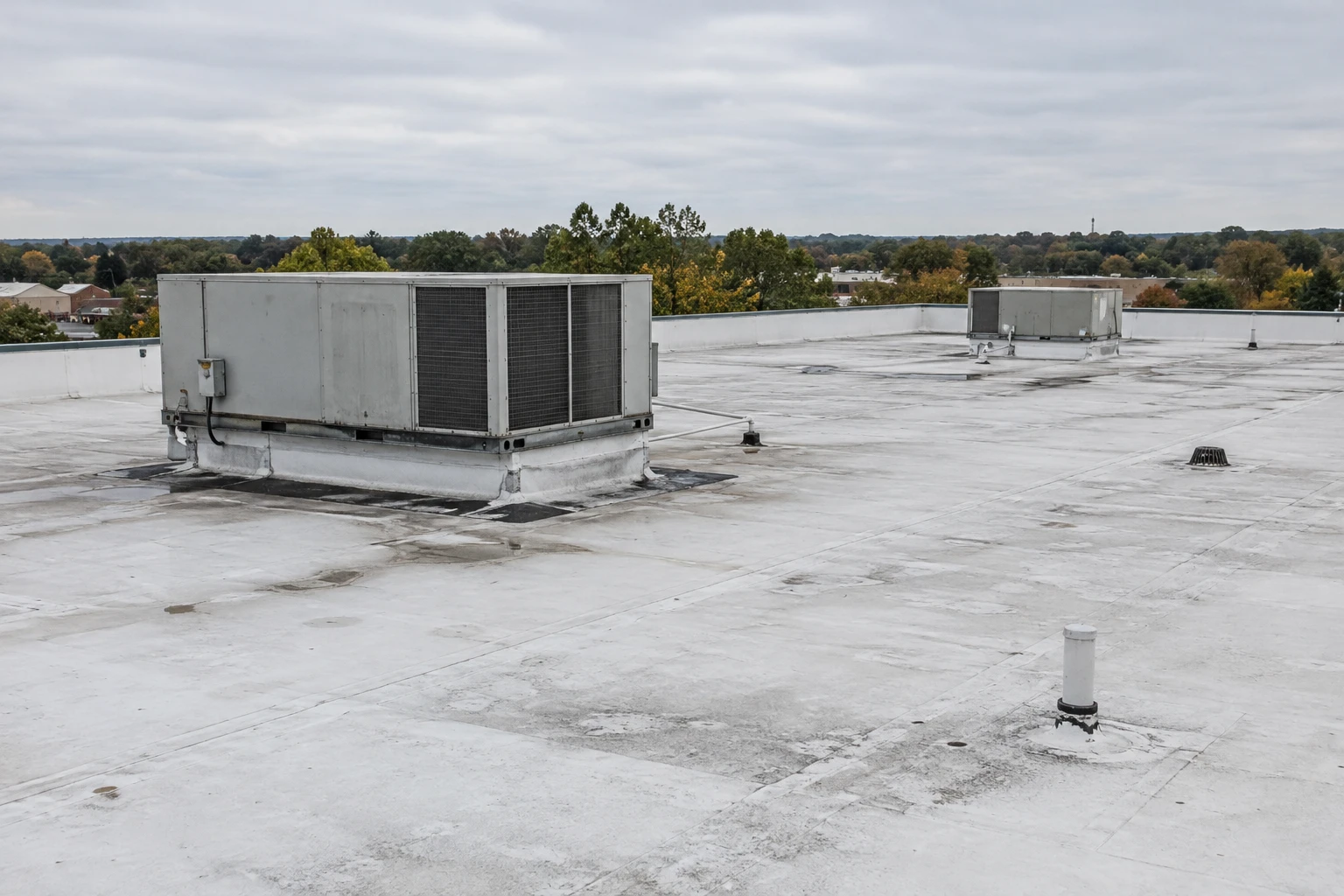
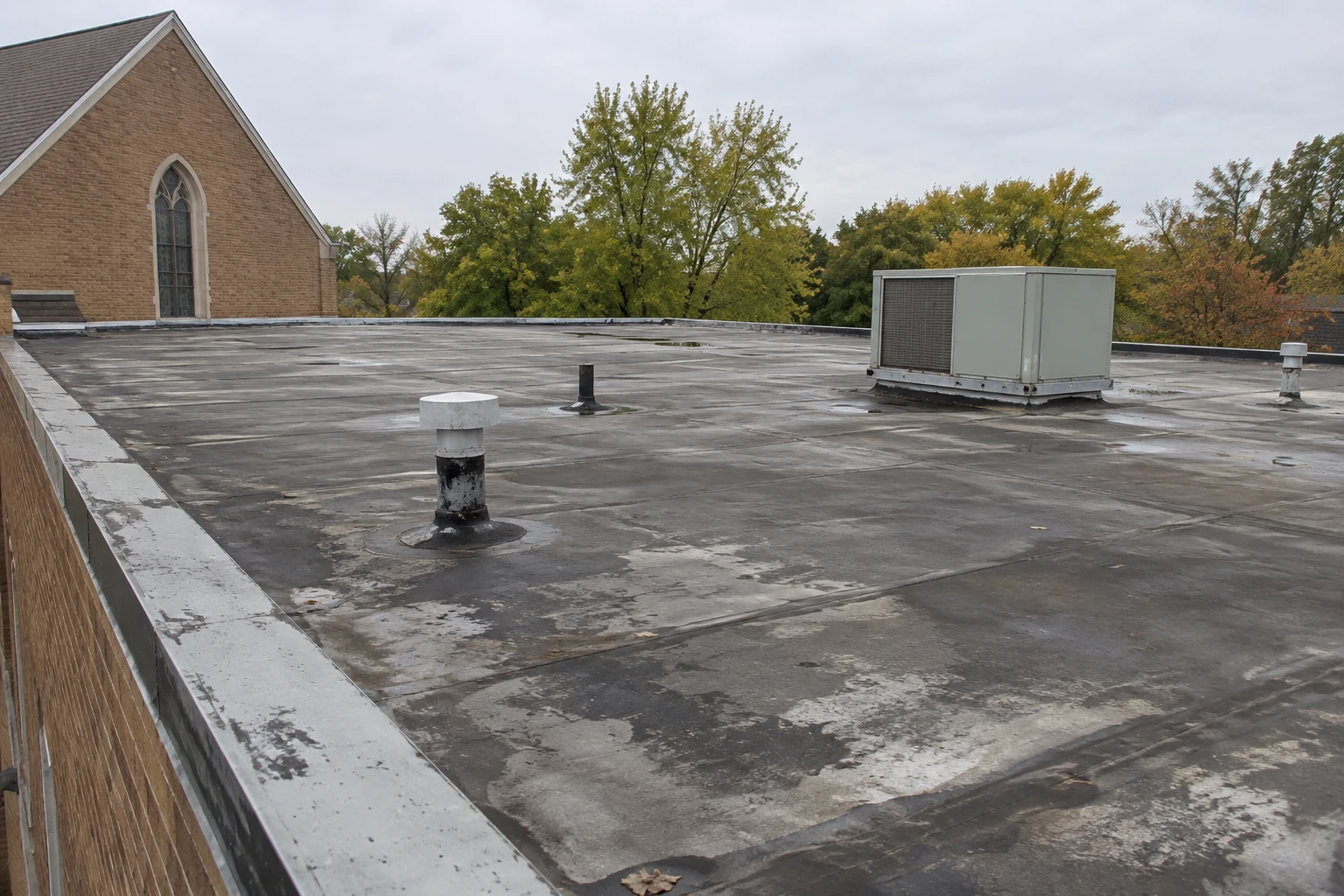
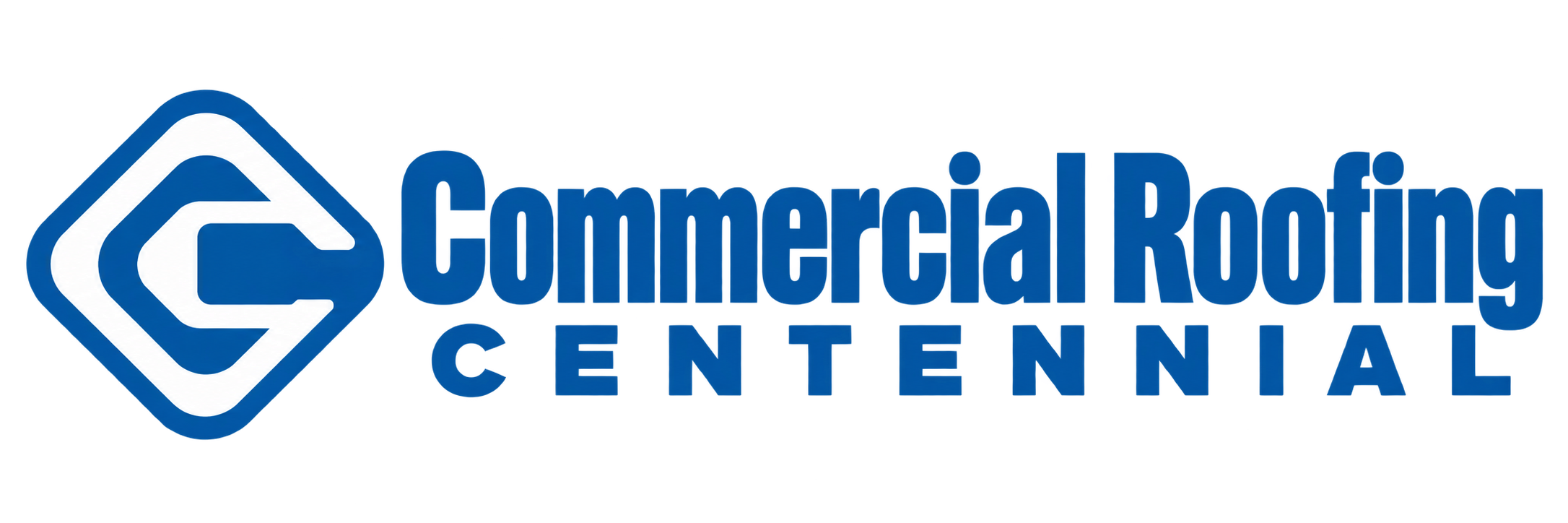
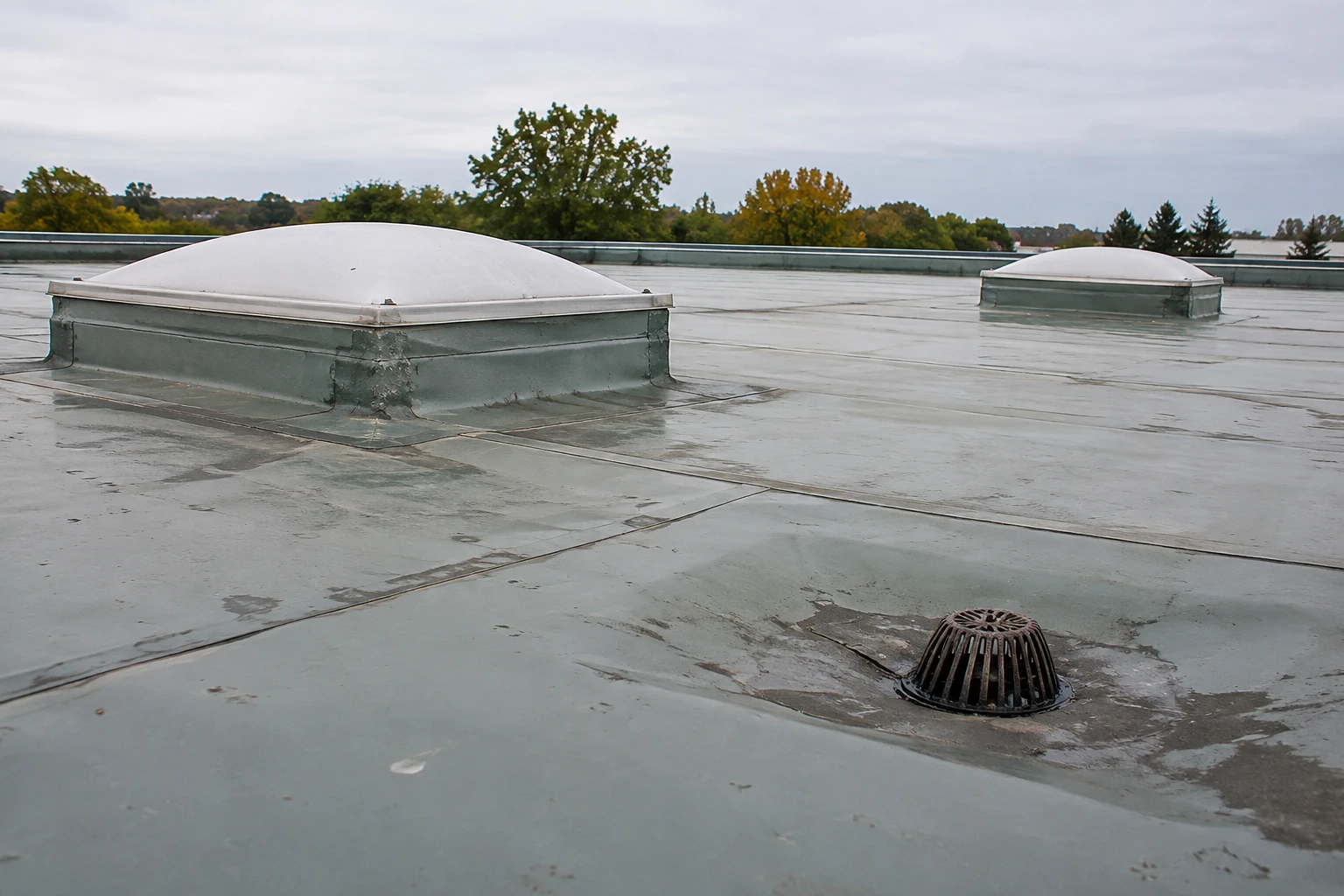
A roof walk connects visible defects to likely water paths and repair implications. We look at seams, flashings, drains, edges, penetrations, equipment supports and interior leak reports. The inspection distinguishes a local defect from a condition extending into adjoining layers. Photographs and marked locations make recommendations traceable. If evidence remains incomplete, we identify an opening or test that could change the decision. Drone imagery may help review broad areas or access constraints; infrared work can target further investigation when conditions suit it.
Translate Findings Into a Work Boundary


The report helps an owner compare actions. We document roof area, system clues, defects, drainage, apparent repairs and follow-up needs. Recommendations separate stabilization from planned repair, restoration or replacement. We state assumptions that affect price, such as insulation condition or framing capacity for retrofit metal. Centennial requests a plot plan marking commercial roof work and manufacturer specifications for fastening and installation. Those project details can appear in a replacement scope or a defined repair proposal.

slab being lifted by crane

Keep Small Findings Visible


Maintenance checks drains, scuppers, flashings and access points before they disappear from the team's routine. We note changes, then price repairs separately from inspection findings. Clearing debris is not the same as repairing a loose seam, and coating does not cure wet insulation. A workable plan assigns inspection timing and response to each condition. The maintenance program can include drain clearing, detail checks and records; restoration is evaluated only after substrate and drainage review.

Sequence Around the Facility


Roof planning matters when tenants, security, mechanical service and deliveries share a property. We identify staging, hoisting, roof access, protection below and tie-in responsibility before opening an area. Each phase needs a clear start and watertight close. Coordination becomes important at curbs and penetrations where roofing and mechanical work meet. We schedule with the building contact and explain where weather can change sequence. occupied-building roofing places these constraints into the proposal.

slab being lifted by crane

Make the Handoff Usable


At closeout, we verify details, remove temporary protection and leave a record of installed scope. The facility receives photos, material notes, repair limits and remaining observations. This keeps the next inspection from treating every old stain as a new failure. If a storm initiated work, documentation separates roof findings from coverage decisions. claim records and maintenance can use the same marked areas and photographs.

Roofing Capabilities Questions


When is infrared useful?

It can locate thermal patterns that may correspond to moisture when construction, weather and survey conditions fit. We interpret results alongside roof observations and confirm important findings as needed.

Does a drone replace a roof walk?

No. Images help review broad surfaces or access limits, while seams, flashings and material conditions may need hands-on examination.

What makes a condition report actionable?

Marked locations, photographs, observed conditions, recommended next steps and stated assumptions give the owner a basis for scope and budget.

Can maintenance include repairs?

Yes. We document corrective work separately from routine findings and identify when a condition needs a larger priced scope.

Set the next roof decision

Share the property use, roof condition and work window you need to protect. We can inspect the assembly, explain a repair boundary and coordinate a practical next step.

Request a Roof Assessment
Commercial Roofing Centennial worker working on plans for a  concrete construction project

Tell us about the roof and the building.

Request a Roof Assessment
Call555-555-5555