Manage roof condition across Centennial properties. We identify assembly boundaries, completed corrections and developing material needs before planning work.
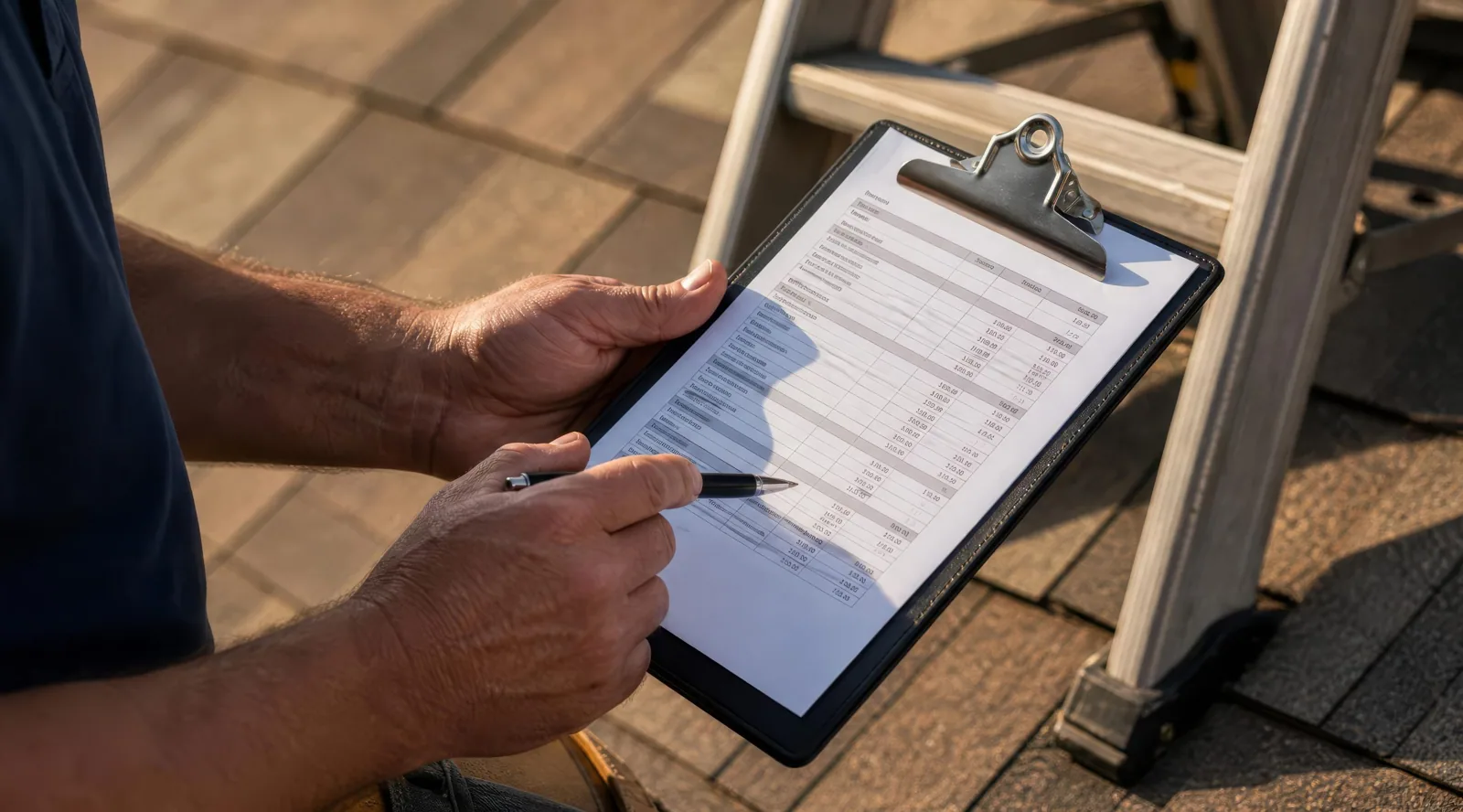
Allocating maintenance across several buildings becomes harder when one roof label combines a renewed field with old curbs and a retained wing. The owner needs those construction boundaries clear before the next expense is compared. Commercial Roofing Centennial assesses roof condition for commercial asset management in Centennial, CO. We identify actual assemblies, useful corrections and completed work so future decisions can follow the material retained at each selected property.
Greenwood Village includes office-oriented business areas such as Greenwood Plaza and Village Center. Inverness Business Park also combines office and residential development. A property group across the wider region can contain several roof arrangements, even where buildings serve similar uses. We examine the selected construction directly. The owner receives identifiable condition findings and work boundaries, with the supporting layers and detail requirements kept connected to the decisions they affect.
A useful roof description separates coverings, additions and earlier renewal phases at a building. We identify those material boundaries through assessment and available project information. The visible footprint can contain different deck, insulation and attachment arrangements beneath it. Those differences influence whether a local correction is useful and what preparation another phase will need. An adhered covering needs a suitable receiving surface, while mechanically attached work depends on appropriate engagement below it. We identify those installation requirements before recommending retention beneath another new layer.
Roof assembly assessment for property tracking examines the field and its relevant transitions. At an office property, a repaired curb may remain within a field awaiting later renewal. We keep that completed detail distinguishable from the retained covering. The owner can compare future work through actual construction areas, understanding which material has changed and which receiving condition still requires examination before another project is selected.
Condition tracking should connect a finding with the roof task it may require. A loose termination, damaged seam or obstructed outlet can need different action. We examine the construction and describe useful correction rather than treating every observation as an identical maintenance item. Further investigation remains identifiable where visible condition does not establish the receiving layers.
Written roof condition findings connect the observed location with the relevant material and interface. A repair boundary should describe the defect addressed and suitable construction retained around it. Wider deterioration can change the comparison with replacement. We explain those physical consequences so the owner can evaluate the proposed expense and understand which assembly condition the correction would leave outside its useful boundary.
Roof asset care includes the places personnel visit for equipment servicing. We examine their actual movement and the details along the route. Sharp components, repeated contact or unsuitable old treatments can create another material defect. Protection should suit the installed assembly and preserve access to the weather connections it passes.
Equipment interface assessment identifies support or clearance tasks where service components interfere with the covering. Their responsible parties coordinate the relevant adjustment. A useful repair can otherwise return to the same unmanaged contact. We connect that service task with the roof correction and explain appropriate later care. The owner manages the actual interface through compatible procedures and suitable access, keeping material protection part of ordinary operating arrangements at the selected building.
Outlets and the surfaces serving them need condition review alongside the broad covering. A blocked opening may require cleaning, while a low receiving surface can need construction. We identify those separate responses before another treatment is selected. Equipment placement and earlier layer changes can alter the water route within one roof section.
Outlet and water-route assessment also considers relevant support at the detail. Concealed moisture may require a larger opening beneath damaged covering. We describe those receiving questions before fixing a material scope. The asset plan should retain that distinction between a useful surface correction and layer work necessary below it, allowing the next decision to follow observed construction rather than the outward appearance of a repaired area.
Renewing one area does not renew the layers or interfaces outside its construction boundary. We identify the installed field and completed details when the phase is released. Retained sections remain distinguishable for future assessment. A compatible tie-in or temporary closure between phases also needs its appropriate care as later work proceeds.
Roof capital-phase planning can compare the next useful construction need with that actual result. A TPO assembly supplied in one phase may meet another material at a retained edge. We examine their connection before proposing later work. The owner can allocate another expense to the layers and details that still need correction, with the earlier installation and its maintenance access preserved in the new construction sequence.
Midtown Centennial brings established office development into a long-term city planning area. Property roof decisions there still follow the actual entrances, room availability and equipment serving the selected building. We assess those conditions before scheduling correction. A useful work boundary should have suitable material handling and closure available throughout its planned task.
For commercial properties in Greenwood Village, asset management can connect findings with the occupied release needed for useful work. The property team coordinates interior protection and access where the opening requires it. We describe that material task clearly before removal. Revised concealed conditions need assessment and an appropriate construction response, with additional operating arrangements coordinated before the work crosses into another occupied portion or equipment interface.
A subsequent assessment can compare current condition with completed material work and retained construction. We examine developing defects through the actual roof system and relevant details. A new indoor observation needs investigation of its exterior route, while a recurring seam defect may require review of the receiving support or movement beneath it.
The owner can use those findings to select useful repair or another capital phase. We explain compatible material care with the assembly supplied, including protection during equipment visits and clear outlet access. The construction comparison remains grounded in observed needs and a defined correction boundary. Roof asset management then supports practical expense decisions at the property, with the material retained, the work renewed and the operating release necessary for the next task kept clear.
A renewed curb or patch may sit within an older assembly awaiting another phase. Their material histories and future needs differ. We identify those boundaries before the owner compares the next roof expense.
Its location, material consequence and useful correction need connection. Different defects can require different preparation or investigation. We explain the actual construction task before another maintenance or capital decision is selected.
Recurring movement and contact can affect the covering or its details. Suitable protection and compatible procedures need assessment. We identify related service adjustments where they support a durable receiving arrangement for roof correction.
Concealed moisture or unsuitable support may require further examination beneath an apparently limited defect. Those findings affect useful retention. We identify the assembly questions before fixing a repair or replacement boundary.
Its retained construction, new layers and tie-in to completed material should be identifiable. Required occupied releases also need connection with the physical task. We explain those boundaries before the owner evaluates the proposed expense.
Commercial roofing in Centennial
Commercial roofing in Centennial
Commercial roofing in Centennial
Commercial roofing in Centennial
Commercial roofing in Centennial
Commercial roofing in Centennial
Commercial roofing in Centennial
Commercial roofing in Centennial