Correct commercial roof drainage in Centennial with drain, scupper and slope assessment. Plan outlet connections and ponding repairs with defined work limits.
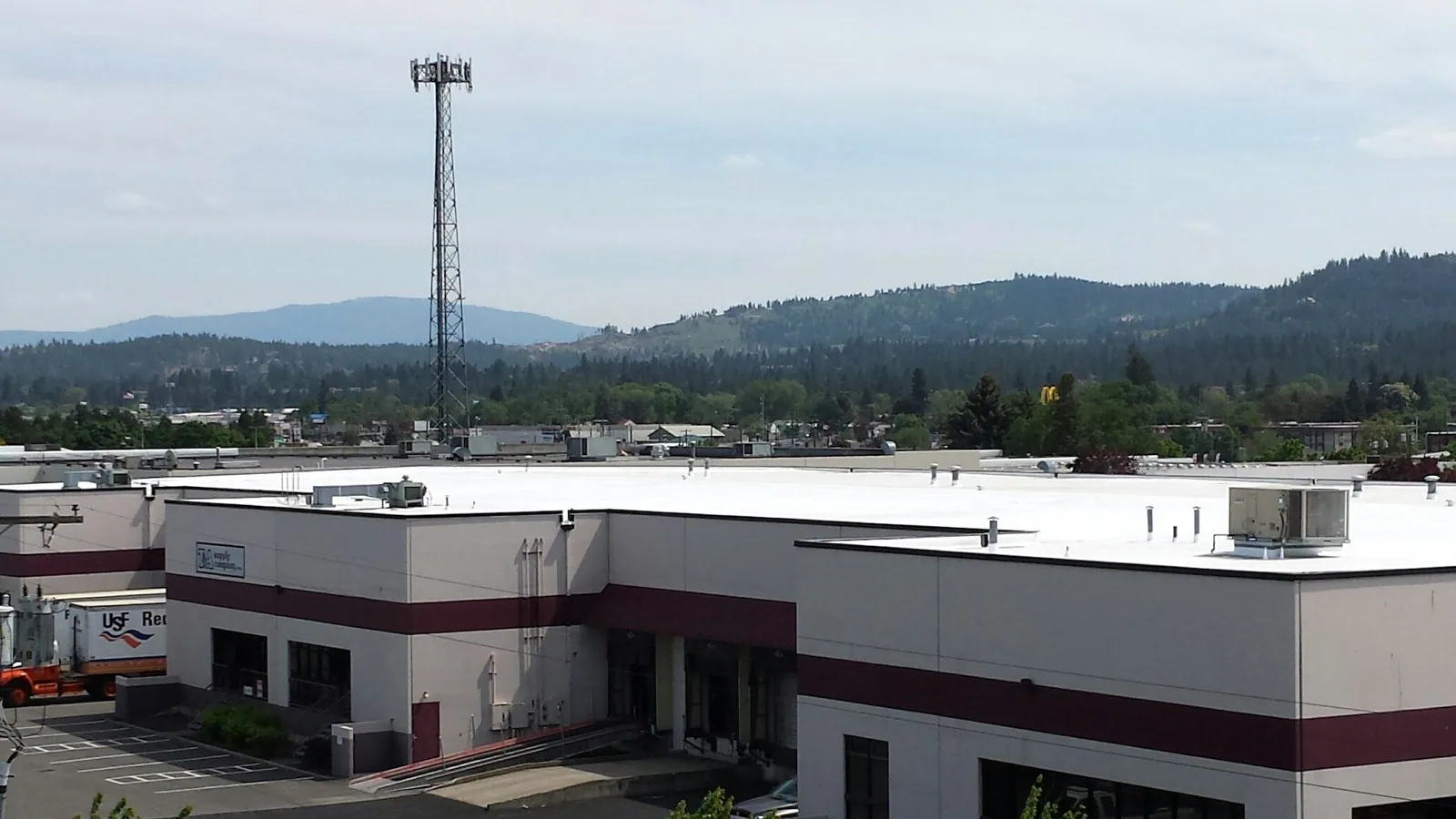
Rebuilding a drain connection while leaving its outlet above the surrounding roof can preserve the pond that prompted the repair. Drainage work needs an allowance for both component condition and the elevations controlling runoff. Commercial Roofing Centennial assesses commercial drains, scuppers and related slope corrections in Centennial, CO. We establish where water collects, how it leaves the roof and which construction changes can address the observed condition.
District-Centennial includes the Glenn, Hensley and Keene apartment buildings alongside vacant land reserved for later development. Occupied residential buildings in that district need drainage work sequenced with interior protection and available service access. We assess the affected roof section and outlet connection before planning removal. The owner receives a defined correction rather than an assumption that replacing the most visible drain component will resolve the full water path.
Drainage begins with the surface elevations directing rainfall and meltwater toward an outlet, then continues through the outlet and discharge system. We examine that route to distinguish blocked flow from poor geometry or damaged connections. A low spot remote from the drain can need different work from a pond created by a raised drain rim. The condition at the roof surface also deserves examination for deterioration where water remains.
The correction of persistent ponding can involve slope changes, outlet work or both, depending on the actual arrangement. We look for obstructions caused by equipment supports, accumulated materials or poorly placed protection. Clearing those items may restore a route where the geometry already works. Where the route remains unsuitable, the recommendation identifies construction needed beyond cleanup. This helps the owner compare drainage maintenance with a physical alteration to the roof assembly.
Internal roof drains depend on suitable connections between the membrane, drain bowl and clamping components. Damaged rings, loose hardware or incompatible material can admit water into the assembly at the outlet. We examine the components and the surrounding covering before deciding which parts can remain. A deteriorated bowl may require coordinated replacement, while a sound bowl may need correction of its membrane connection and nearby elevation.
The discharge line also needs attention where flow problems persist beyond the roof outlet. Blockage or damage downstream can require plumbing assessment rather than another membrane repair. We identify that dependency so roof work and pipe work can be coordinated. Removal around a drain must preserve protection while the new connection is established. The owner should know which trade needs access and whether the outlet can remain operational throughout the selected construction phase.
A scupper carries runoff through a wall or perimeter opening, where its sleeve, flashing and adjoining construction need to work together. Corrosion, failed corners or low surrounding transitions can create water entry within that detail. We inspect both the roof-side connection and the route beyond the opening. A conductor head or downspout may need separate correction where discharge backs up or spills beside the building.
Changes to a scupper opening can affect wall construction, flashing height and structural or design requirements. We establish those dependencies before treating an enlarged opening as a simple roof patch. Perimeter and gutter work may be coordinated where the exterior discharge arrangement also needs attention. The completed detail must connect with sound material around the opening and preserve the intended runoff route, including any separate overflow function within the drainage design.
Roof crickets use sloped construction to divert water around equipment, walls or other interruptions in the runoff path. Their geometry needs to connect with the adjoining roof elevations so they do not merely move a pond to another location. We assess available height and the intended drain route before laying out the correction. Curbs, terminations and service access can limit the amount of added material that fits.
Tapered insulation and supporting board may form part of that work within a compatible roofing assembly. The covering must then receive complete seams and transitions over the revised geometry. Where several low areas connect, selective changes need assessment against the broader drainage layout. A planned roof replacement can provide an opportunity for wider slope correction, while a limited repair requires a boundary that joins the retained assembly without introducing another obstructed route.
Drain work can involve access beneath the roof as well as the surface around the outlet. The affected interior space may contain piping, ceilings or equipment requiring protection and release. We discuss that access before removing components so the building's occupied use fits the repair sequence. Temporary drainage arrangements need consideration where an outlet will be unavailable during work.
Castle Pines has medical and professional-service businesses alongside apartment communities and assisted living. That variety makes the actual affected room and operating schedule relevant to drainage correction. For commercial properties in Castle Pines, we establish which outlet serves the released area and which interior tasks require another trade. The roof scope then identifies the selected connection work rather than treating the entire building drainage system as one undivided repair allowance.
Primary outlets and overflow provisions have different roles within the roof's drainage arrangement. We examine the intended paths and avoid obstructing an overflow while correcting nearby construction. Changes affecting capacity or outlet design may require appropriate design input. The installation should preserve complete membrane connections and an accessible route for later cleaning and inspection.
A planned outlet-maintenance program can help keep the corrected system clear of suitable removable debris. We identify components needing recurring attention and record the finished repair locations. Continued standing water or renewed intrusion after correction deserves reassessment of the relevant path, including downstream concerns. The owner can then distinguish a maintenance need from a remaining geometric or component problem and arrange the work that addresses it.
Restricted flow downstream can hold water at an otherwise serviceable roof outlet. We examine roof-side conditions and identify where plumbing evaluation is needed. A membrane repair alone will not clear a blocked pipe or correct damaged discharge components beneath the roof.
The revised roof elevation reduces the exposed height available for flashing. We assess curb clearance and equipment access before laying out the slope change. Necessary curb adjustment belongs in the correction scope so the improved runoff route still receives a complete watertight transition.
Opening size is only one part of the arrangement, alongside roof slope, outlet position and discharge capacity. The change may also affect wall construction and design requirements. We assess those relationships before recommending modification rather than enlarging the visible opening by assumption.
A suitable work phase needs protection and drainage arrangements for the affected roof area while the connection is unavailable. We establish the release window and interior access with building personnel. Changing weather or limited temporary capacity can require a smaller phase.
Water that remains because of elevation, damaged components or restricted downstream flow requires more than debris removal. We compare the observed condition with the completed work. The next recommendation identifies the relevant path or component rather than repeating the same cleaning allowance.
Commercial roofing in Centennial
Commercial roofing in Centennial
Commercial roofing in Centennial
Commercial roofing in Centennial
Commercial roofing in Centennial
Commercial roofing in Centennial