Schedule commercial roof maintenance in Centennial for outlets, seams and service paths. Identify repair priorities before small defects interrupt operations.
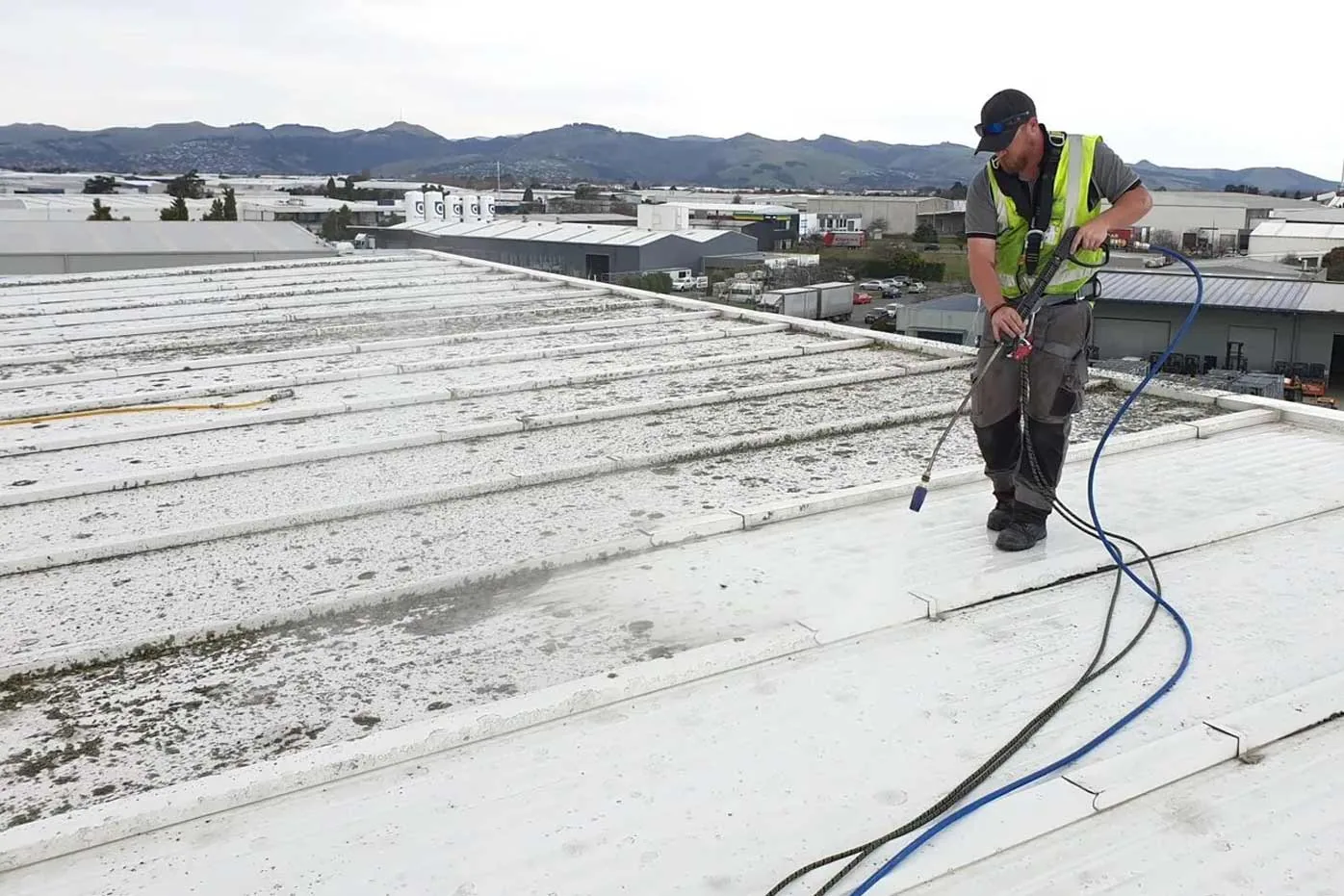
Cleaning a blocked outlet during a planned visit is a different expense from restoring rooms after water enters the building. Preventive maintenance makes room for that work before the roof develops an active operating problem. Commercial Roofing Centennial maintains commercial roofs in Centennial, CO, through scheduled examination, cleaning and suitable detail corrections. We establish the assembly's condition and service needs before recommending the frequency and scope of visits.
Parker's Medical Mile includes medical providers and medical-services manufacturers, making uninterrupted occupied use a relevant maintenance concern. A building supporting those activities needs dependable roof access and a way to address defects without interrupting unrelated interior operations. We identify drainage routes, equipment service paths and vulnerable connections during the initial assessment. The program then directs work toward those actual conditions rather than repeating a general checklist without regard to the building.
Accumulated leaves, loose materials and service debris can restrict drains, scuppers and gutters before the membrane develops a visible defect. We check the accessible water paths and remove suitable debris without pushing it into the drainage system. Strainers and outlet connections also need examination for damage or displacement. Cleaning addresses an obstruction, while failed components may require repair beyond the maintenance visit's routine allowance.
A low area that remains wet after the outlets are cleared deserves separate evaluation of slope and outlet elevations. We record that condition so it does not return as the same cleaning instruction at each visit. Drainage corrections can include connection repair or changes that improve the route water takes across the assembly. The owner receives a distinction between scheduled housekeeping and physical work needed to correct the underlying drainage problem.
Seam edges, flashing corners and terminations can change under exposure or movement, creating openings before widespread damage becomes apparent. We examine those details and identify suitable localized corrections while receiving material remains sound. The repair method depends on the membrane and existing components. On coated assemblies, exposed foam or worn protective finish can require prompt attention to prevent further weathering. We examine that surface and use a compatible correction where the supporting material remains suitable. Cleaning, preparation and compatible joining materials remain necessary even where the physical opening is small.
Repeated defects at one location can indicate that the connection needs rebuilding rather than another maintenance patch. We distinguish that larger work from minor correction included in the visit. A planned commercial roof repair may require material removal, replacement insulation or equipment access that routine maintenance cannot accommodate immediately. Explaining that boundary helps the owner authorize the appropriate work instead of spending successive visit allowances on an unresolved source of deterioration.
Technicians returning to the same equipment can wear the covering beside ladders, service panels and common walking routes. We inspect those areas for punctures, loose protection and materials left after mechanical work. Suitable traffic protection may help where the assembly supports it and runoff remains clear. Its placement needs to follow the actual service route rather than occupy convenient roof areas that receive little traffic.
Medical-office roof maintenance can involve equipment access that matters to daily indoor conditions. We discuss service coordination where technicians need a detail released or where roof work affects an intake. That discussion should result in a usable work window, not unnecessary administration for unrelated areas. We also identify damage caused by equipment stands or loose components that requires the responsible trade's attention. Maintenance is more effective when recurring causes receive correction alongside the membrane defect.
Regional winter conditions can affect outlet access, surface dryness and the timing of repair materials. Snow may conceal details that need later examination after the roof is clear. We do not treat a limited winter visit as complete review of areas that remain inaccessible. Instead, the work record identifies suitable tasks completed and the areas requiring another examination window.
Centennial's SouthGlenn Sub-Area includes neighborhood commercial centers as well as a mixed-use shopping and residential setting. For properties in the SouthGlenn Sub-Area, we coordinate the maintenance visit with actual deliveries, customer activity and available access. Debris clearing, inspection and repair application may require different timing within that visit. The schedule should reflect observed roof exposure and building operations rather than promise the same tasks under every weather condition.
Photographs and location descriptions help compare the condition of seams, outlets and service routes between maintenance visits. We record new defects separately from items previously repaired or scheduled for later work. A change in staining, movement or patch condition can justify closer examination. Comparison also helps identify where a repeated roof condition relates to equipment servicing or another ongoing building activity.
A condition record with photographs connects the maintenance work to the roof areas involved. The record distinguishes completed cleaning, suitable detail repairs and recommended additional work. Owners managing several occupied sections can then track what has been addressed without assuming that every observation received construction during the visit. A definite list of outstanding conditions gives the next maintenance window a useful starting point and helps prevent a recurring item from disappearing into an undifferentiated allowance.
A roof with sound surrounding materials can benefit from regular attention to drainage, details and service damage. An assembly with broad deterioration or extensive retained moisture may require a larger construction decision. We explain where maintenance continues to have a useful role and where additional investigation is needed. Continued visits should not conceal the fact that repeated patching is failing to address the assembly's overall condition.
Suitable coating restoration may be considered where the existing roof can support preparation and the proposed system. Other conditions may belong in the next capital-planning review. We keep those decisions distinct from routine maintenance and identify the roof condition prompting them. The owner can retain a working maintenance program while preparing the construction allowance needed for a larger repair or replacement boundary.
Shared equipment routes can make coordination useful, particularly where servicing exposes flashing or creates debris. We examine the actual access needs before aligning visits. The roof still needs attention after weather or reported damage that falls outside the regular mechanical schedule.
Persistent water can indicate a slope or outlet-elevation problem rather than remaining debris. We assess the drainage geometry and recommend additional examination or correction where warranted. Repeating cleanup alone will not change the physical route the water needs to leave the roof.
Suitable localized corrections may fit where sound compatible material and proper installation conditions are available. More extensive removal or equipment coordination needs a separate scope. We explain that distinction before treating the visit as authorization for broader construction.
Covered or unsafe areas are identified for later examination while suitable accessible work proceeds. We record the limitation and the remaining task so the roof is not treated as completely reviewed. Another working window can then address the details that could not be examined safely.
Repeated defects, widespread material deterioration or suspected wet construction can justify further investigation beyond routine correction. We explain the pattern and its consequence for continued maintenance. The owner can assess a larger repair or capital project using the conditions actually observed.
Commercial roofing in Centennial
Commercial roofing in Centennial
Commercial roofing in Centennial
Commercial roofing in Centennial
Commercial roofing in Centennial
Commercial roofing in Centennial
Commercial roofing in Centennial