Arrange a hands-on commercial roof inspection in Centennial. We examine seams, flashing, drainage and service access to clarify repair and budget priorities.
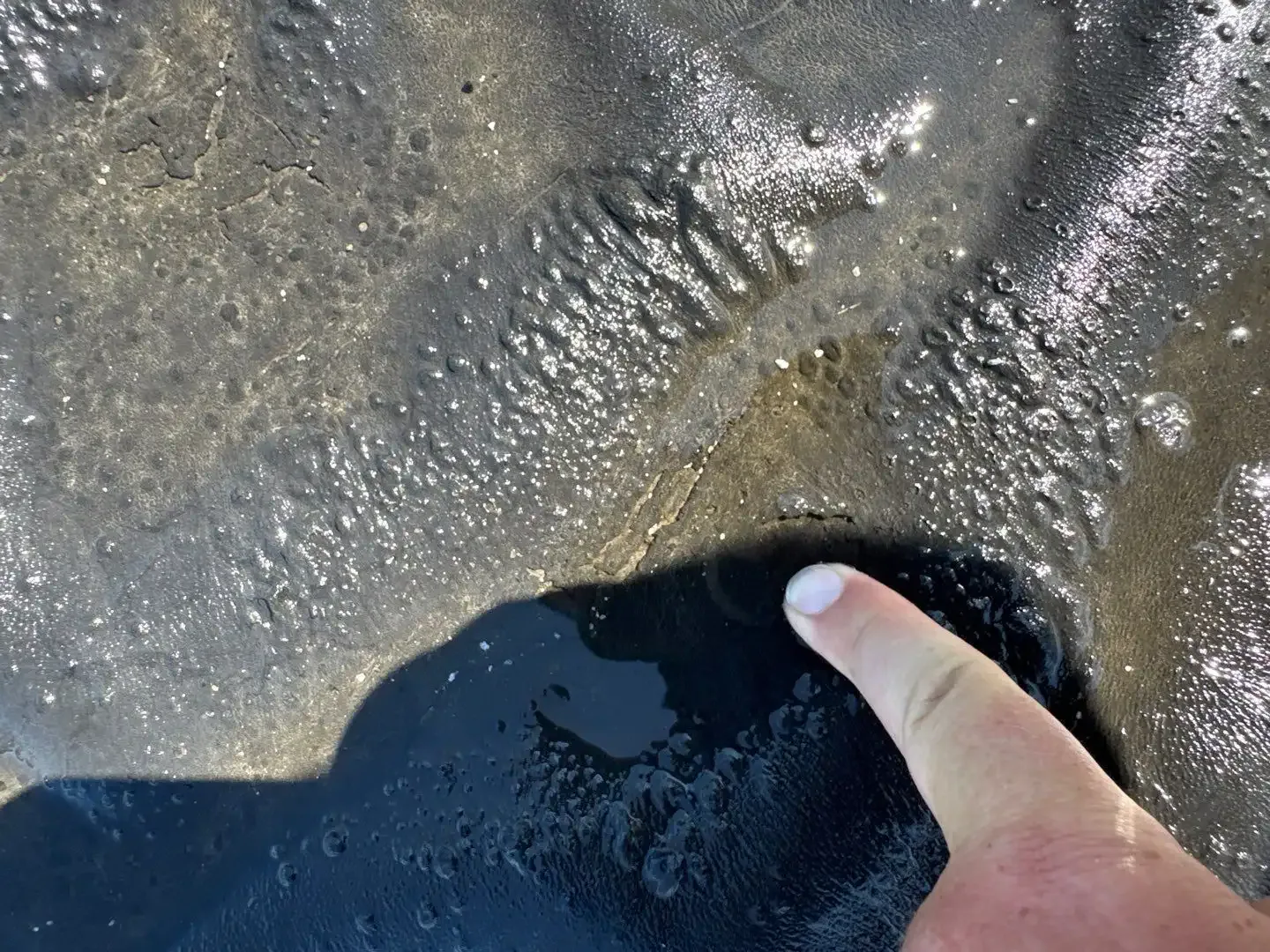
Approving repairs before an equipment shutdown can prevent the roof work from missing an already available access window. A hands-on inspection establishes which roof details deserve that attention and what can wait for a later maintenance visit. Commercial Roofing Centennial inspects commercial roofs in Centennial, CO, with the owner's pending work decision in mind. We examine the actual covering, drainage and transitions rather than assigning the same repair priority to every visible mark.
Midtown Centennial contains established office parks and commercial space, where occupied use can affect investigation and subsequent construction. Roof access, tenant activity and mechanical service needs belong in the inspection arrangements when they influence the available work area. We identify the condition requiring action, explain the proposed boundary and distinguish any further examination needed. The owner receives a practical basis for choosing repair work before committing a broader roof allowance.
We examine field membrane for cuts, worn areas, open seams and changes that suggest movement or poor support. Discoloration alone can have several causes, so its location and relationship to adjoining components matter. Surface debris may conceal openings or obstruct drainage. A walked inspection provides access to details that need closer examination, subject to safe conditions and the assembly's ability to support foot traffic.
The joining method affects what a sound seam looks like and how it should be checked. On TPO roofing assemblies, a heat-welded connection needs attention to continuity and suitable material condition. Bituminous coverings and rubber membranes have different seam and surface characteristics. We assess the specific system rather than carrying one examination method across unrelated materials. The findings distinguish damage that can accept a localized repair from deterioration that requires a wider area to reach sound construction.
Equipment curbs, pipes and wall transitions can fail through movement, low flashing heights or poor upper terminations. We inspect their connections and surrounding support, including the working room available for correction. A crowded mechanical detail may need equipment access before roof work can begin. Loose wall material can also create a water route above an otherwise serviceable membrane connection.
For equipment curb and support work, the inspection considers both the condition and the installation dependency. We explain where the roofing scope ends and another trade needs to address a related component. This prevents a repair allowance from treating equipment housing leaks as a membrane defect. We also examine older patches for compatibility and adhesion, because a recent surface addition can leave the underlying failed detail unresolved.
Drain strainers, scuppers and gutters need examination alongside the adjacent membrane and connections that carry water toward them. Debris can obstruct an outlet while damaged components admit water into the assembly. We distinguish those conditions from low areas caused by the underlying roof geometry. A cleanup visit, drain repair and slope correction can involve substantially different work even when each affects the same standing-water area.
We inspect overflow paths where they are accessible and assess whether service materials or equipment obstruct them. Areas with persistent ponding deserve attention to surrounding elevations and the condition of retained materials. The repair recommendation explains which observation supports outlet maintenance and which requires further investigation. That distinction helps the owner approve necessary work without assuming that removing debris will correct every drainage problem on the building.
Rooftop equipment access can concentrate foot traffic near panels, ladders and frequently serviced units. We inspect those routes for worn covering, loose protection and details exposed to tools or displaced parts. Suitable walking protection can help preserve membrane condition when it fits the selected assembly and runoff paths. An inspection also identifies where equipment maintenance practices need attention to avoid recurring roof damage.
Inverness Business Park has grown from its original business-park setting to include housing, creating a varied occupied commercial area. For properties in Inverness Business Park, we discuss the actual service and tenant arrangements while examining the roof. A maintenance visit may be readily available above one occupied area while equipment restrictions affect another. The findings can identify work suitable for a shared access period and work requiring a separate operating decision before repair proceeds.
Soft support, recurring leaks or uncertain retained layers can justify examination beneath the covering. A surface inspection helps identify those areas but may not establish the full assembly or moisture extent. We explain the reason for a selected opening and how it will be restored. Access to the relevant material allows the next recommendation to rest on an observed condition rather than appearance alone.
Where appropriate, an infrared survey with physical confirmation can guide investigation of suspected wet areas. The method depends on the assembly and suitable conditions for interpreting temperature differences. We distinguish the observed surface condition, confirmed opening findings and remaining investigation needs in the assessment. An owner comparing repairs with replacement can distinguish work ready for pricing from questions needing further examination before funds are released. We identify the roof condition behind each remaining decision.
An open flashing connection requires different attention from cosmetic surface staining or a future equipment-access concern. We separate active defects, maintenance items and conditions that may affect a later project. Priority reflects exposure, the consequence for the occupied building and the work needed to correct the condition. A minor-looking opening above sensitive equipment may warrant earlier action than a larger dry area needing planned maintenance.
The condition report and photographs connect each recommendation to its location and observed detail. Proposed commercial roof repairs can then receive a defined scope instead of a general inspection allowance. We explain where monitoring is reasonable and what change would merit reassessment. This provides the owner with a sequence for maintenance, further examination and capital decisions without assigning an unsupported remaining-life figure to the roof.
A shared access window can be useful where the roof investigation and equipment work affect the same details. We discuss service routes and any released components before scheduling. Findings that require roofing correction can then be separated from mechanical tasks while access remains available.
A walked examination assesses accessible surface and detail conditions. Suspected retained moisture may require another method and physical confirmation. We identify that investigation need rather than assign moisture boundaries solely from surface appearance, so removal decisions can use appropriate evidence.
Recurring defects deserve examination of the connection, support and surrounding movement. We compare older repair materials with the existing assembly and identify where removal is needed for a sound repair. The recommendation addresses the condition that causes repeat work, not just the latest opening.
Current exposure and the consequence for occupied use guide the priority. An open water path may require correction sooner than routine debris removal in an unobstructed area. We explain the observed condition and practical consequence so the owner can release work deliberately.
Condition findings can establish which areas are deteriorated and which additional checks are needed before replacement pricing. Assembly openings, attachment assessment or drainage measurements may still be necessary. The initial inspection gives the comparison a physical starting point rather than a complete design assumption.
Commercial roofing in Centennial
Commercial roofing in Centennial
Commercial roofing in Centennial
Commercial roofing in Centennial
Commercial roofing in Centennial
Commercial roofing in Centennial
Commercial roofing in Centennial