Use drone roof inspection in Centennial to examine roof layout and visible damage. We connect aerial findings with close inspection and repair decisions.
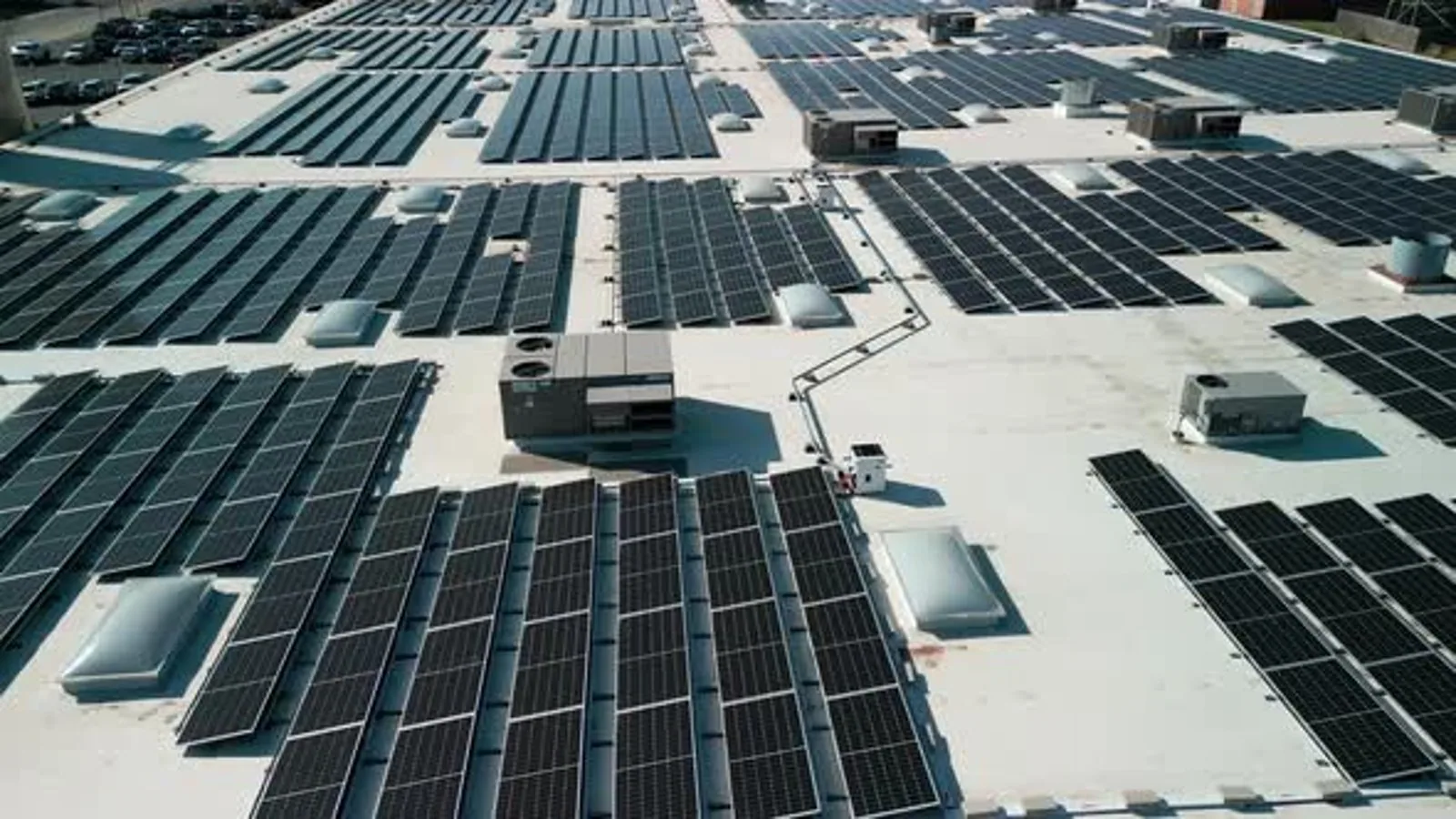
Releasing lift access solely to photograph a difficult roof area can add work before its condition is understood. Drone imaging may provide a useful first look where safe, permitted flight conditions support the inspection. Commercial Roofing Centennial uses aerial roof examination in Centennial, CO, to assess layout and visible conditions, then identify details needing closer investigation. The owner can choose the next access expense with a clearer picture of the affected roof area.
Meridian Business Area accommodates corporate campuses, retailers and housing near I-25 and C-470. Aerial examination can help organize observations across separated roof sections on a property in that broad commercial setting. We establish the inspection purpose before flight, including whether the owner needs an overview, damage mapping or a closer view of an inaccessible transition. The imaging method should serve that decision rather than replace every other form of roof assessment.
Roof sections may differ in height, covering, drainage direction and equipment concentration even within one building. Aerial images can make those relationships easier to assess before detailed access is arranged. We examine the visible field areas and transitions between elevations, then compare their locations with the owner's reported concern. Images from more than one position can help distinguish a roof feature from a viewing-angle effect.
That overview is useful where an owner needs to compare several working areas for a planned repair phase. A property with occupied office space may have equipment clusters and upper roofs that restrict ordinary walking access. We identify the areas that need closer examination rather than treating the entire roof as one interchangeable surface. The resulting access decision can target a particular transition, drainage area or damaged covering before the crew commits to a broader investigation.
Displaced coverings, debris accumulation and visible damage around skylights or perimeter components can be assessed from a suitable aerial view. Surface changes may indicate areas needing attention, but image interpretation depends on clarity and the conditions during capture. Shadows, reflections and existing patches can complicate the appearance of a defect. We compare observations from useful angles before selecting a physical examination boundary.
After a reported event, storm-related roof assessment may use aerial images to locate scattered damage or displaced material. Nearby Highlands Ranch and Lone Tree experienced severe hail during the June 2023 storm. At an affected property, close checks remain necessary where membrane damage or connection failure is not clearly established by photographs. We use the images to direct that examination, so the owner can distinguish an apparent surface feature from a defect requiring repair.
Aerial photography can show the location of a seam without establishing the strength or continuity of its connection. Small openings, poor adhesion and defective support can require closer access and appropriate testing. We identify those areas for a hands-on roof inspection where the construction decision depends on them. This makes drone imaging part of an examination sequence rather than a substitute for material assessment.
The same distinction applies to insulation concealed beneath a membrane. An ordinary photograph records the surface and cannot establish whether retained layers are dry. Thermal imaging, where appropriate, requires suitable equipment, assembly conditions and interpretation, followed by physical confirmation when removal decisions are involved. We explain which question the proposed aerial method can address and which calls for another investigation. That keeps a useful overview from becoming the basis for an unsupported replacement or recover allowance.
Flight permission, applicable operating restrictions and the surrounding activity must be considered before aerial examination is scheduled. Centennial businesses have regional access through both Centennial Airport and Denver International Airport. For roof work near aviation activity, suitable flight arrangements deserve early attention. Drone access cannot be assumed merely because the building owner permits photography of the property.
Wind, precipitation and visibility can also affect flight safety and the clarity needed for roof interpretation. We establish an appropriate inspection window and explain when an alternate access method may be necessary. Aerial photography should avoid interference with people, equipment and building operations in the working area. For Meridian commercial properties, the actual surroundings and permitted operating conditions shape those arrangements. A postponed flight may change the image-capture schedule without changing the need to assess an urgent roof defect through another safe method.
Perspective can alter how an opening, low spot or roof edge appears in a photograph. Images useful for locating damage are not automatically suitable for assigning construction quantities. We distinguish visual observations from dimensions requiring appropriate measurement and confirmation. A proposed repair boundary may need on-roof checks at transitions before material quantities or detail work can be priced reliably.
Aerial findings can support condition records with photographs that identify roof sections and observed concerns. The record explains where image quality or access leaves a question unresolved. That is particularly useful for comparing observations taken during different visits, provided changes in viewing position and conditions are considered. We connect the image to the roof feature it shows and the next examination needed, instead of treating a photograph alone as a complete construction specification.
Several visible defects in one equipment area may justify a targeted visit rather than an immediate investigation of every roof section. Conversely, broad displacement or widespread covering damage can call for a larger physical examination. We assess the aerial findings alongside the building's reported problem and available access. The recommended next step states what needs checking and why that check affects the repair decision.
Aerial observations can also guide an assembly-specific moisture survey when retained moisture is a separate concern. The methods answer different questions and should receive separate allowances when both are useful. We explain their roles before arranging further work. The owner can then approve the investigation needed for a defined roofing decision, without paying for an impressive image set that leaves the relevant material condition unanswered.
Visible separation can identify a suspect location, but preparation and material condition still need close examination. We assess the receiving surface and connection method before pricing permanent work. A drone image may direct that visit without establishing every part of the repair.
Property permission is one part of the arrangement, alongside applicable airspace and operating requirements. Nearby aviation activity and the flight conditions must also be considered. We review the proposed access method before committing to an aerial inspection window.
The urgency of the roof condition guides whether another safe inspection method should be arranged. Poor visibility or unsafe wind can delay aerial capture. An active water-entry problem may still require physical assessment or temporary protection rather than waiting solely for photography.
Ordinary aerial photography does not reveal moisture concealed within the assembly. An appropriate moisture investigation may help locate suspect areas, with physical checks supporting removal boundaries. We distinguish that work from a visible-condition flight so each expense answers a specific question.
An overview can locate separate roof areas and visible concerns for later access and measurement. We connect those observations with confirmed condition findings before defining construction quantities. The owner can then assess a proposed phase through both its location and its actual repair needs.
Commercial roofing in Centennial
Commercial roofing in Centennial
Commercial roofing in Centennial
Commercial roofing in Centennial
Commercial roofing in Centennial
Commercial roofing in Centennial