
Plan college roofing in Centennial. We assess campus assembly differences, room availability and equipment access before defining phased construction work.
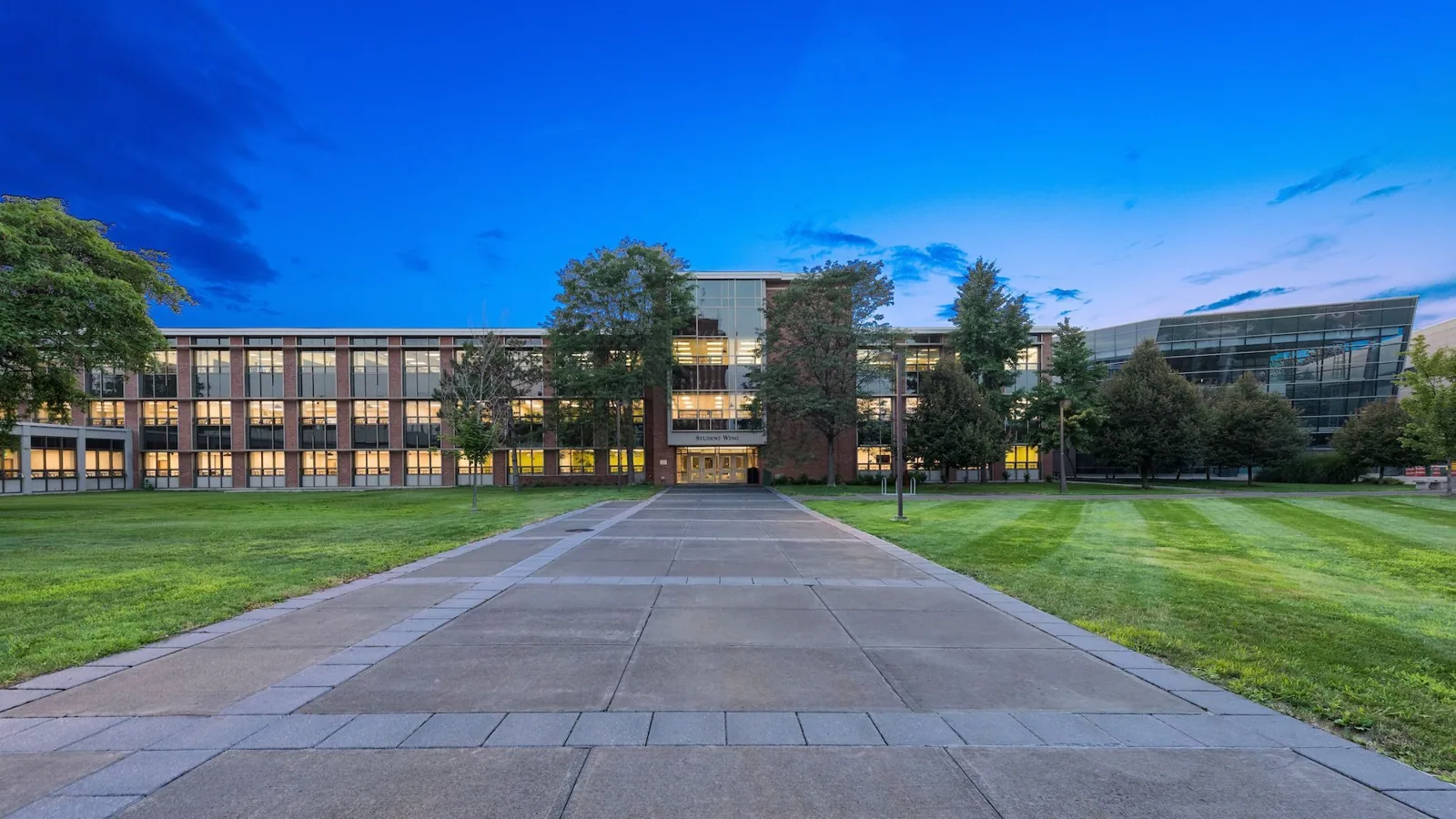
The replacement allowance above a teaching wing should include the closure and equipment work its available term break can support. A nearby laboratory or administrative area may need a separate release even while that wing is ready for construction. Commercial Roofing Centennial evaluates college and university roofing in Centennial, CO, through those building-specific boundaries. We establish the roof assembly work first, then coordinate its phases with the campus periods supplied for access.
Arapahoe Community College is located just south of downtown Littleton within the broader south-metro setting. Campus roof access may need coordination with occupied classrooms and service routes. We examine the assembly and associated room use before selecting its practical work boundary. The owner receives a scope that identifies repair or replacement needs and the related access requirements. Its phases are planned around the building rather than an assumed interval between academic terms.
Construction dates, additions and earlier roofing work can leave different coverings and concealed layers across a campus. We identify those boundaries during assessment. A sound assembly with an isolated failed detail needs a different comparison from one containing wider deterioration or moisture. The property arrangement alone should not establish a uniform replacement scope.
At an administrative office roof, we examine the detail connecting its covering to adjoining campus construction. A wall, elevation change or expansion joint can establish a useful phase boundary if its receiving condition supports the proposed connection. Relevant openings reveal layers needed for that decision. The campus can allocate work to an assessed assembly while including the weather detail that closes it, with retained construction and the next required removal area identified in the proposal.
The campus team identifies the spaces and programs that continue during a proposed roof period. We establish the construction activity associated with those areas and coordinate the release it requires. Examination of the actual assembly helps determine whether phases can be separated usefully. A broad vacation period may still contain occupied rooms or scheduled events beneath the work.
Campus reroofing around occupied use connects removal areas with the corresponding interior protection and access. We explain which tasks need a released room and which can proceed while nearby space remains available. The schedule should describe those dependencies before mobilization. Changes resulting from weather or concealed findings then follow the agreed coordination arrangement instead of creating an undefined interruption during an otherwise occupied period.
Each phase also needs a defined response when an opening reveals damaged support. We identify the construction that can be completed safely within the available period and explain when additional examination is required. The campus contact can then adjust the affected room release before removal expands. Materials and compatible temporary closure should be ready for the agreed boundary. An academic deadline cannot shorten adhesive cure or eliminate a necessary deck correction. Those dependencies belong in the phase comparison while the owner still has time to coordinate another usable room or equipment arrangement.
Some campus spaces rely on equipment whose roof connections cannot be rebuilt during ordinary field work. Ventilation and other systems may need service coordination before roofing access becomes available. We identify those details and the responsible trade tasks. Their release window can differ from the availability of the roof surface nearby.
A technical or process-related roof area can require preparation around supported lines or equipment serving the occupied space. We identify whether those components obstruct the flashing or receiving surface. Their responsible service parties coordinate release or adjustment before the roof detail is renewed. The campus's actual equipment establishes that task. The scope includes the opening, suitable support and compatible weather connection needed at the interface, with the required service sequence linked to those physical steps.
The route into an occupied campus room can begin at a connection elsewhere on the roof. Examination relates the interior observation to the relevant exterior seams and outlets, then considers adjoining construction that might contribute. The examination establishes which weather connection requires correction and whether moisture has affected underlying layers. Surface repair alone may be incomplete where insulation or support needs removal.
Examination of campus roof condition helps direct those investigations and identify further access required. We explain useful repair boundaries separately from wider reconstruction findings. The owner receives a construction assessment that can be scheduled around affected rooms. It does not assign every leak the same work quantity or treat the absence of another interior stain as proof that all concealed roof material remains dry.
Covering, insulation and attachment requirements determine the proposed roof assembly together. We assess the receiving construction before recommending retention or removal. Added thickness can change flashing clearances and outlet elevations. The scope should identify those adjoining adjustments before the field layers are installed.
A rubber membrane campus option and a TPO campus option require different joining procedures and compatible components. We compare those practical requirements alongside the supporting layers. Roof sections with different existing materials may need different preparation. The owner can then assess complete construction proposals rather than compare membrane descriptions whose prices assume different amounts of removal and detail work.
Littleton has regional transportation links through C-470 and Santa Fe Drive, but individual property circulation determines construction access at the building. The Denver Tech Center business area follows I-25 between I-225 and Arapahoe Road. Deliveries using that corridor still need a suitable final approach into the property. We examine entrances, service routes and the roof entry arrangement before choosing material positions. Required emergency access and occupied pedestrian routes need consideration alongside delivery efficiency. The most direct roof approach may not suit normal campus movement.
Centennial's employment mix includes education and health services within its broader commercial setting. For educational properties around Littleton, the actual work area remains the basis of staging and lifting decisions. We identify practical route changes with the owner before scheduling deliveries. Their construction purpose and relationship to roof phases should be clear, allowing the campus team to coordinate ordinary arrivals and scheduled activity around the agreed boundaries.
Finished field connections, outlets and flashing need examination before a phase is released. We identify its completed boundary and the adjoining work still planned for a later stage. Temporary connections should be managed appropriately as those stages proceed. The campus team receives a clear distinction between completed construction and roof areas awaiting their next phase.
A maintenance arrangement for campus roofs can preserve practical access to equipment and drainage after completion. Later servicing should protect the covering and use compatible repair materials. We explain relevant care considerations alongside the installed assembly. The owner can schedule condition checks around actual building availability and compare future roof work using observed material condition rather than an unsupported identical service-life assumption across different campus roofs.
The available interval must suit the actual scope and continued campus activity. Some rooms or programs may remain occupied during that period. We coordinate construction requirements with supplied availability before defining the useful work sequence.
A campus can contain several roof types, with separate layer arrangements and earlier repair histories. Assessment of each section establishes its suitable work boundary. We explain where a useful detail repair differs from reconstruction requiring concealed-layer removal.
The responsible equipment parties establish relevant release requirements. We identify which roof connection needs their access and coordinate its reconstruction. The surrounding field may have a different work window from the affected curb or penetration.
Relevant findings should establish whether layers below the covering need further examination or removal. A surface correction can otherwise leave damaged material unchanged. We explain the affected boundary before the owner schedules work above occupied space.
The renewed boundary, remaining adjoining construction and required maintenance access should be clear. Temporary connections need appropriate management between phases. We explain those conditions when each area is released so the campus can coordinate its continuing use.
Commercial roofing in Centennial
Commercial roofing in Centennial
Commercial roofing in Centennial
Commercial roofing in Centennial
Commercial roofing in Centennial
Commercial roofing in Centennial
Commercial roofing in Centennial
Commercial roofing in Centennial