
Assess punctures and foot-traffic damage on Centennial roofs. We examine impact, receiving layers and service routes before defining useful membrane repair.
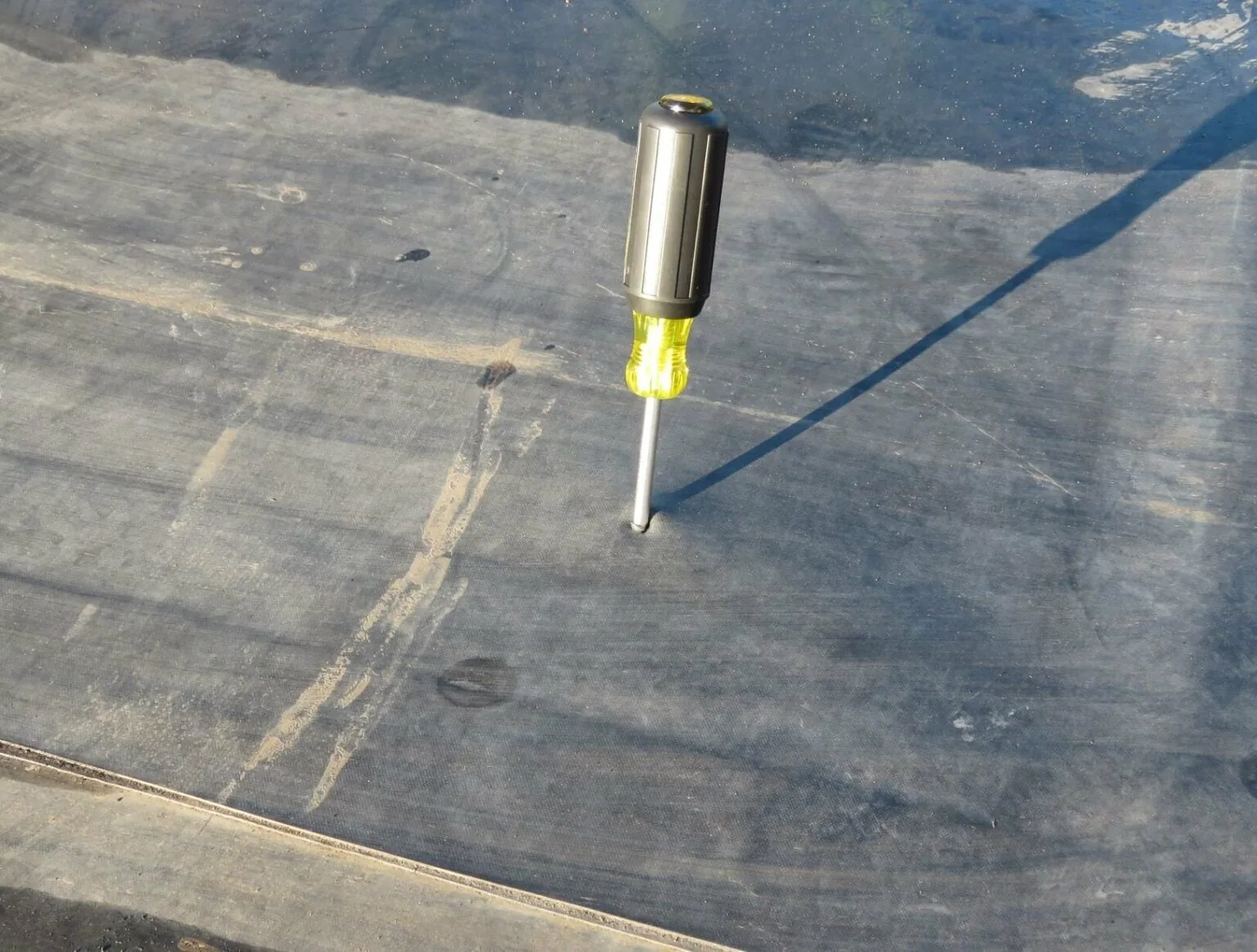
Closing a puncture beneath an equipment service route can leave the same sharp contact against the repaired covering. The useful correction needs both a suitable weather connection and an arrangement that addresses its cause. Commercial Roofing Centennial assesses punctures and foot-traffic damage on commercial roofs in Centennial, CO. We examine the damaged membrane, nearby seams and receiving layers before defining repair and the service-route changes needed at the selected area.
Industrial and flex properties form part of Dove Valley Business Park's commercial mix within unincorporated Arapahoe County. Highfield Business Park also supports laboratory, technology, assembly, office and distribution activity. A selected roof in that setting may have service points requiring recurring equipment visits. We examine the actual contact location and movement route before defining puncture work. The proposed patch needs suitable receiving construction, while the service arrangement should prevent the same sharp component or unprotected handling task from reaching its renewed surface.
A sharp component can puncture the covering and affect the receiving layer below. We examine the contact point before assuming the useful opening is limited to its visible edge. Compressed boards, damaged support or concealed moisture can change the material required for correction. The completed connection should reach suitable construction around the affected area.
Examination of membrane contact damage identifies the installed covering and relevant nearby details. A scratch or surface abrasion may have a different consequence from an opening through the material. We distinguish those findings before selecting work. The owner receives a defined repair boundary and an explanation of the receiving condition it addresses, preserving a useful distinction between visible marks and material damage requiring construction.
Membrane repair uses components and preparation appropriate to the installed material. Contamination, old treatments or a distorted surface can interfere with the selected join. We examine those conditions before fixing the procedure. The repair component needs a sound receiving boundary beyond the damaged area and suitable support beneath its connection.
Compatible puncture correction includes cleaning or removal required for that boundary. A thermoplastic membrane repair follows its appropriate welding procedure, while rubber material needs its compatible bonding components. We identify those requirements rather than applying one patch method across every roof. Completed joining also needs suitable examination before release. The owner can compare material work with its necessary preparation included in the proposed expense.
A small opening may admit water into insulation or other receiving construction. We assess that condition where observations require further investigation. Indoor water can appear away from the exterior damage because it travels through concealed layers. The useful opening follows the affected material rather than only the size of the surface puncture.
Investigation of water after membrane impact compares exterior findings with relevant indoor observations. Wet layers or deteriorated support may need removal before the covering is restored. We explain that boundary and coordinate the occupied protection associated with it. The repair scope should connect suitable receiving material with a compatible weather detail, including additional investigation where concealed condition remains unresolved before construction is selected.
A supported line, loose equipment part or service component can repeatedly contact the covering. We identify that relationship alongside the puncture. Its adjustment belongs with the responsible equipment or support parties where relevant. A new patch should not return to the same unmanaged sharp contact once the construction route is released.
Equipment support and interface review can establish preparation or clearance needed at that location. A component may need suitable supporting construction separate from the membrane repair. We identify the roof task it enables and coordinate the required access. The completed work should leave a practical route to the service point, with the weather connection reachable for examination and compatible protection where recurring visits require it.
Repeated walking or handling near equipment can concentrate wear at particular roof areas. We examine the route personnel use and the details it crosses. Protection should suit the installed assembly and remain compatible with its drainage arrangement. An added surface component can need preparation and securement rather than simply being placed over a defect. A loose object intended as protection can shift into an outlet or press against the covering at its edge. We assess a suitable installed arrangement for the service task. The selected protection should follow its product requirements, with surrounding drainage and detail clearances preserved after equipment returns to use.
A nearby joint correction may also be needed where contact has affected a seam. We assess that connection separately from the open puncture. Walkway placement should leave relevant details reachable and preserve water movement toward outlets. The owner receives an identifiable protection task connected to actual service activity, with material suitability and installation requirements included alongside the repair that restores the covering.
Centennial identifies professional services and construction within its employment mix. A selected occupied commercial building can require interior access beneath a puncture investigation as well as roof service access above it. We identify those spaces before planning removal. The property team coordinates protection around the actual opening and material work.
For commercial roofs near Dove Valley Business Park, a flex-industrial building may keep equipment operating while another detail is available for work. We identify the required release at the affected contact point. A related flashing task should have its own receiving assessment where the repair reaches a curb or penetration. The phase needs suitable components and closure available before removal expands around that interface.
We examine the new patch and its surrounding material before the correction is released. Any receiving-layer renewal should be identifiable within the completed boundary. The owner also needs a clear account of the equipment adjustment or protection associated with the original contact. Related work still requiring another release remains visible in the construction arrangement.
Later service should remove sharp debris and preserve suitable contact protection along the agreed route. New equipment changes need assessment where they alter that movement or introduce another supported component. We explain relevant material care at completion. Subsequent roof examination can compare observed condition at the repair and nearby service points. The next expense follows useful correction and actual receiving needs, keeping a distinction between isolated accidental impact and a recurring contact arrangement that requires coordinated physical work.
Impact or admitted water can affect receiving layers beyond the visible opening. Those conditions need assessment. We identify suitable retained construction before defining the useful membrane repair boundary.
Their material consequences can differ, as can the useful correction. The actual covering needs examination before a patch is selected. We connect the proposed task with the observed construction condition.
Thermoplastic and rubber coverings have different joining requirements and compatible components. The installed material needs identification. We choose preparation and the repair procedure appropriate to that actual system.
Its responsible parties may need to adjust support or clearance alongside the material repair. Otherwise the new surface remains exposed to the same cause. We identify that physical dependency before completion.
The actual movement, installed system and drainage details guide the arrangement. Compatible material and suitable preparation remain necessary. We identify protection that supports recurring visits while keeping connections reachable for examination.
Commercial roofing in Centennial
Commercial roofing in Centennial
Commercial roofing in Centennial
Commercial roofing in Centennial
Commercial roofing in Centennial
Commercial roofing in Centennial
Commercial roofing in Centennial
Commercial roofing in Centennial