
Assess wind damage on Centennial commercial roofs. We examine attachment, perimeter connections and receiving layers before defining a useful repair boundary.
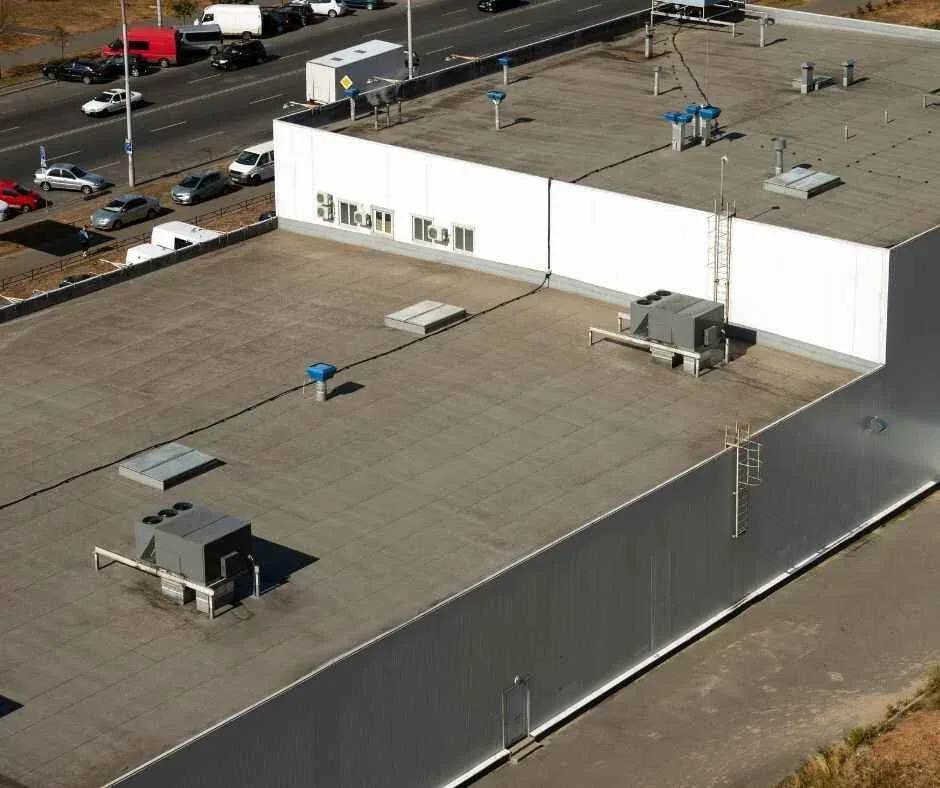
Securing a visibly lifted edge may leave loose receiving material beneath the connection that the repair needs to hold. The useful scope has to reach that supporting condition before new components conceal it. Commercial Roofing Centennial assesses wind damage on commercial roofs in Centennial, CO. We examine the covering, attachment and adjoining details before defining correction and the operating release necessary to prepare the affected assembly.
Highlands Ranch experienced the June 22, 2023 tornado whose track ended near Lone Tree on the west side of Interstate 25. At a selected Centennial roof, observed displacement establishes the construction needing examination. We trace the lifted material to its attachment and receiving support before choosing work. The resulting scope identifies useful local repair or broader renewal, connecting the completed weather boundary with the actual support correction and related building tasks necessary beneath and around it.
Roof edges can involve metal components, flashing and supporting material with separate damage. We examine the connection between them before selecting replacement pieces. Loose or deteriorated receiving construction may require removal and renewal. A new visible metal component should have suitable securement and continuity with the adjoining roof assembly.
Perimeter construction assessment identifies those supporting tasks. At a wall top, the coping and its receiving arrangement need examination alongside the roof termination below. We explain how the proposed correction reaches the actual weather boundary. The owner can compare complete edge work with a component allowance that would otherwise leave damaged support or an unsuitable adjoining connection unchanged beneath it.
A loose covering section may have pulled against fasteners, plates or adhered receiving layers. We identify the installed attachment arrangement and assess the relevant damage before choosing work. Its condition can influence the useful repair boundary beyond the visible opening. Questions about supporting construction need appropriate evaluation where findings warrant it.
A thermoplastic roof repair option must suit the actual receiving assembly and joining surface. Torn or stretched material can need removal before a compatible patch is prepared. In an adhered system, unsuitable support below the covering may enlarge that opening. A pulled fastener can leave an opening or damaged engagement point in the deck. Simply placing another component at that location may not provide a suitable receiving connection. We identify the affected support and the proposed securement arrangement before rebuilding the covering above it. Necessary evaluation or repair should precede installation. The renewed field then connects through an attachment appropriate to the receiving construction and selected system. We examine those layers and explain what must be corrected, keeping the scope connected to sound construction instead of assuming a surface join resolves every attachment defect.
A wind-created opening can admit water into insulation or supporting layers. We assess that condition alongside the visible covering damage. Interior observations help direct examination but may be separated from the entry by concealed travel. The useful correction should identify material requiring removal beneath the weather surface.
Investigation of water after wind damage compares relevant seams, walls, curbs and outlets with the reported observation. Wet insulation or damaged deck may extend beyond the first visible tear. We explain those findings before setting the removal boundary. The owner receives a scope that reaches suitable receiving construction, with interior protection and further access identified where the concealed condition requires them.
Displaced equipment components or wall material can damage the roof covering and obstruct its preparation. We identify the weather detail and related component involved before selecting work. Service or supporting questions belong with the appropriate responsible parties. Their correction should be connected to the roof construction it makes possible.
Flashing connection assessment examines the receiving height and material at the affected interface. A damaged curb can require reconstruction before new weatherproofing is installed. Movement at a pipe or support may need adjustment alongside compatible flashing. We describe those tasks separately from the field repair so the owner can coordinate a complete correction and retain access to the connection until its preparation and examination are finished.
Isolated damage can be correctable where adjoining material and attachment remain suitable. We examine that condition before recommending local work. Broader displacement or deterioration may require a larger removal phase. The comparison should describe what each option renews and the receiving assembly it leaves in place.
Replacement assessment after wind damage includes insulation, securement and transitions within its proposed boundary. An adjoining puncture correction may address a separate impact point, but its receiving layers still need assessment. We identify whether the defects belong in one construction opening or separate useful tasks. The owner can then compare expenses through physical material work, with supporting requirements and closure details clearly connected to each option.
Midtown Centennial includes established office development within a broader long-term planning area. A selected commercial property there may have occupied entrances beside the route needed for roof materials. We examine its actual staging and access before scheduling removal. The work needs suitable conditions for preparation and the chosen joining or attachment procedure.
For commercial properties in Highlands Ranch, occupied office roof work may need protection beneath a displaced edge as well as the open field. We identify the room and exterior handling space associated with that actual correction. If preparation reveals damaged perimeter support, the owner needs the larger opening explained before another roof portion is removed. Appropriate materials, receiving reconstruction and occupied access should be available to carry that revised boundary through a suitable closure.
We examine completed covering connections, perimeter work and other renewed details before their phase is released. The owner should know the repaired area and the assembly retained around it. Any related equipment or wall task still requiring attention remains identifiable. The construction result should connect suitable support with compatible weatherproofing at the observed damage.
Later roof visits need practical routes that preserve the repaired covering and keep outlets reachable. Equipment changes should not obstruct renewed interfaces or introduce incompatible treatments. We explain those care considerations with the installed material information. Subsequent examination can identify developing defects before another correction is selected. The next roof expense follows observed condition and useful material work, with the actual assembly boundary kept clear in the property's maintenance planning.
Damaged receiving material can prevent suitable securement beneath a new component. Flashing continuity also needs examination. We identify the supporting correction before selecting the complete perimeter work.
Attachment or receiving-layer damage may remain beneath the visible opening. Those conditions need assessment before the repair procedure is chosen. We define an opening that reaches suitable construction for the completed connection.
Concealed moisture can require removal of insulation or other affected layers. Interior observations help direct investigation of the entry route. We explain those material findings before fixing the useful repair boundary.
Equipment movement, curb reconstruction or adjoining wall repair may be needed for suitable roofing preparation. Their responsible parties coordinate the required release. We connect that work with the weather detail it enables.
Broader displacement or unsuitable adjoining material can change the useful correction. The comparison needs identifiable retained and renewed construction. We examine those conditions before the owner selects the proposed roof expense.
Commercial roofing in Centennial
Commercial roofing in Centennial
Commercial roofing in Centennial
Commercial roofing in Centennial
Commercial roofing in Centennial
Commercial roofing in Centennial
Commercial roofing in Centennial
Commercial roofing in Centennial