Assess Holcim Elevate roofing in Centennial. We examine rubber and thermoplastic assemblies, equipment clearance and receiving layers before defining roof work.
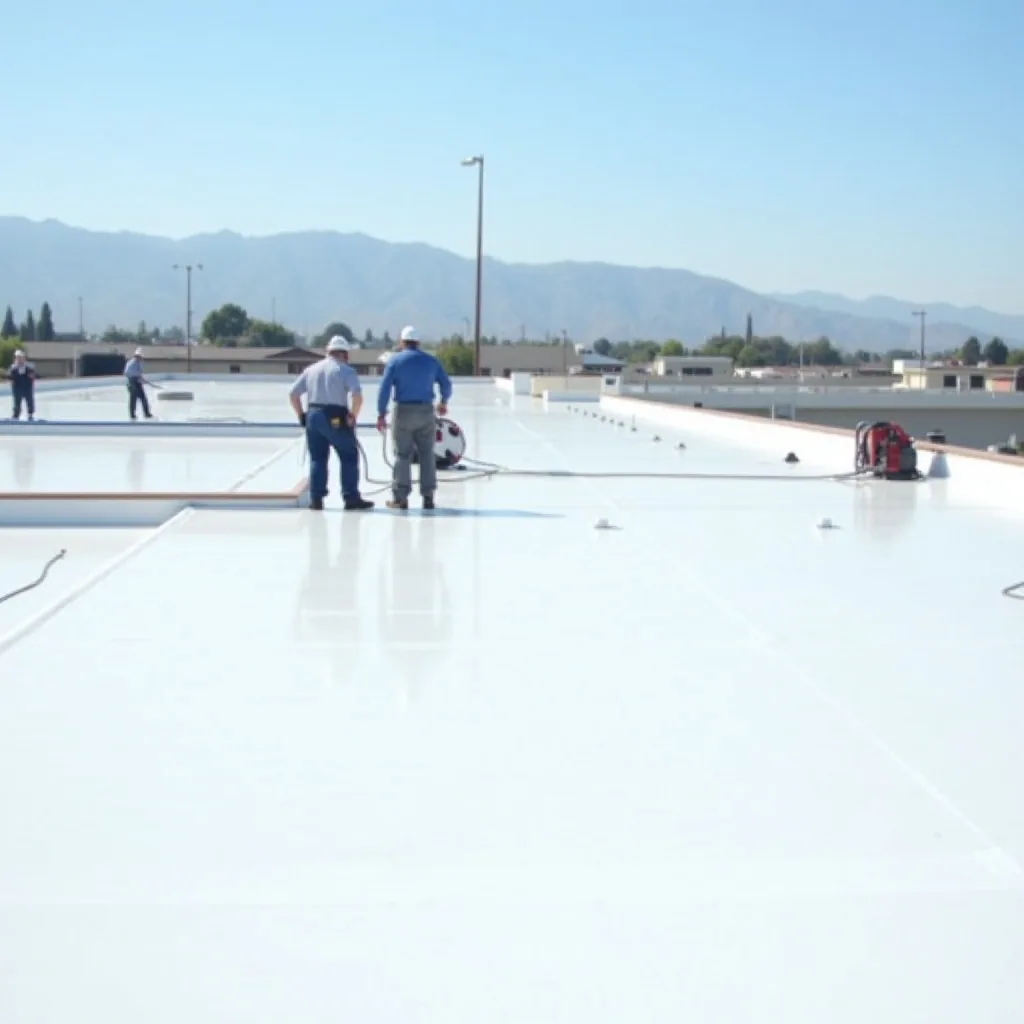
Adding insulation beneath a proposed Holcim Elevate covering can change the curb adjustment needed to keep its weather connection buildable. That related expense should be identified before the field layers are selected. Commercial Roofing Centennial assesses Holcim Elevate commercial roofing in Centennial, CO. We examine the receiving assembly and equipment details before comparing useful repair or renewal, connecting the chosen material with suitable height, support and practical service release at its interfaces.
Parker identifies engineering and aerospace within its industry clusters. Highfield Business Park also includes technology, assembly and laboratory activity. An individual roof serving that commercial setting needs its own equipment and receiving-layer assessment. We identify actual construction before choosing Holcim Elevate work, giving the owner a scope tied to the material retained, the layers renewed and the adjoining details required by its selected building.
Holcim Elevate supplies EPDM and TPO commercial roofing systems. Their attachment, joining and compatible components need evaluation against the receiving roof. We identify deck and retained-layer condition before selecting the proposed installation. An added board or insulation layer should have appropriate support and securement beneath the new covering.
An Holcim Elevate rubber assembly comparison includes compatible bonded connections. A thermoplastic assembly comparison instead considers its welded joining procedure. We assess how either option reaches the actual curbs, walls and outlets at its proposed thickness. The owner receives complete construction choices, with receiving preparation and detail adjustments connected to the field material rather than appearing as unresolved tasks after layer quantities are fixed.
An existing curb can have limited space between the roof surface and the upper equipment connection. Added layers may reduce that clearance further. We examine the receiving height and condition before proposing new flashing. A necessary curb adjustment should be connected to its supporting and equipment requirements through the responsible parties.
Curb and equipment-interface assessment identifies that preparation and the access it needs. Moving or releasing a unit belongs with the appropriate service team. We define the roof detail that follows their work. The upper enclosure and counterflashing should also be examined before the lower connection is renewed. Water entering above suitable new flashing can leave the same interior problem after field installation. We identify that adjoining component and its responsible task before the equipment returns. The completed interface should connect suitable receiving height with an appropriate upper weather boundary and compatible preparation below it. The owner can compare a useful interface expense that includes suitable support, compatible flashing and examination access, with the equipment return connected to the completed weather boundary rather than a field schedule that leaves the curb unfinished.
A wall termination should connect the covering with appropriate receiving construction above it. We examine the upper weather path and material condition before choosing components. Counterflashing or adjoining wall work can need separate coordination. The new roof detail should not conceal support or an upper interface unsuitable for its completed connection.
Perimeter and wall-top coordination also examines the support beneath visible metal. A changed layer thickness can alter the geometry reaching that edge. We identify necessary preparation before the field is installed. The Holcim Elevate scope then connects its covering through the actual vertical and perimeter construction, with the supporting correction and related wall task included where they are required for useful weather protection.
Moisture or deterioration below the covering can change the useful removal boundary. We assess relevant insulation and support before recommending retention. A sound-looking field surface does not establish whether its receiving layers suit another assembly. The selected attachment also needs evaluation against the actual deck and prepared surface.
Receiving-layer assessment for Holcim Elevate construction identifies damaged material and compatible support beneath the new roof. Mechanically attached components need appropriate engagement, while adhered work requires suitable receiving conditions for its application. We describe those physical tasks before quantities are compared. The owner receives a complete scope whose removed and retained layers are distinguishable, keeping the construction expense connected to the assembly the selected covering will actually receive.
A seam or puncture correction begins with the installed membrane and its receiving boundary. Old treatments, dirt and damaged material can affect the joining procedure. We examine the actual surface before selecting compatible components. Rubber work uses its appropriate bonding method, while thermoplastic material needs conditions suited to its welded connection.
Holcim Elevate material repair assessment includes preparation and supporting layers around the useful opening. Concealed moisture can enlarge that removal. At an occupied flex-industrial property, the affected room and equipment access need connection with the construction task. We identify suitable closure for that boundary and explain related preparation before work. The owner can compare a local expense with the broader assembly condition it leaves unchanged.
Midtown Centennial brings office development into a long-term city planning area. At a selected commercial building, equipment servicing can make one roof detail available while another awaits release. We identify the physical work required at each connection. The property team coordinates operation around those tasks before the phase opens the receiving assembly.
For commercial roofs around Parker, a Carlisle EPDM construction option also needs suitable bonded-detail preparation at its receiving interfaces. A GAF TPO construction option uses a thermoplastic joining arrangement with its own component requirements. We compare the actual support and working clearances before the owner selects Holcim Elevate material work. The useful phase should have compatible closure, appropriate installation conditions and the equipment access necessary to complete its physical boundary.
We examine the finished field and adjoining connections before the Holcim Elevate phase is released. The owner should know the layer boundary and related detail adjustments included in the construction. Retained areas and work planned for another stage remain identifiable. Component information corresponds to the actual installed assembly and relevant care requirements.
After the renewed layers establish their finished height, another equipment change should be assessed against that actual clearance. Its service party may need to adjust a curb or support before compatible Holcim Elevate flashing can connect with the new interface. We explain the receiving task and appropriate material procedure before an alteration is made. Drainage approaches and recurring service routes must also remain workable. The owner plans later correction through the physical detail and the support it requires, preserving the useful relationship between the installed field and its adjoining equipment construction.
Added layers can reduce the space available for a compatible flashing connection. Necessary adjustment may require equipment release. We assess those physical requirements before field installation reaches the curb.
Their compatible components and joining procedures differ. The installed material and receiving surface need identification. We choose preparation appropriate to the actual system before defining the completed correction.
Damaged support or changed geometry may prevent the intended securement and flashing continuity. The receiving construction needs examination. We identify that preparation before treating visible replacement metal as the complete task.
Wet insulation or deteriorated support may need removal below the covering. Those findings can enlarge the work boundary. We assess the receiving assembly before recommending layers to remain beneath new material.
Installed clearance, compatible details and practical water routes need assessment before an alteration. Service activity should protect the covering. We explain those obligations with the actual assembly at completion.
Commercial roofing in Centennial
Commercial roofing in Centennial
Commercial roofing in Centennial
Commercial roofing in Centennial
Commercial roofing in Centennial
Commercial roofing in Centennial
Commercial roofing in Centennial
Commercial roofing in Centennial