Compare metal roof retrofit options in Centennial. We assess panel condition, fasteners and drainage before defining restoration, recover or removal work.
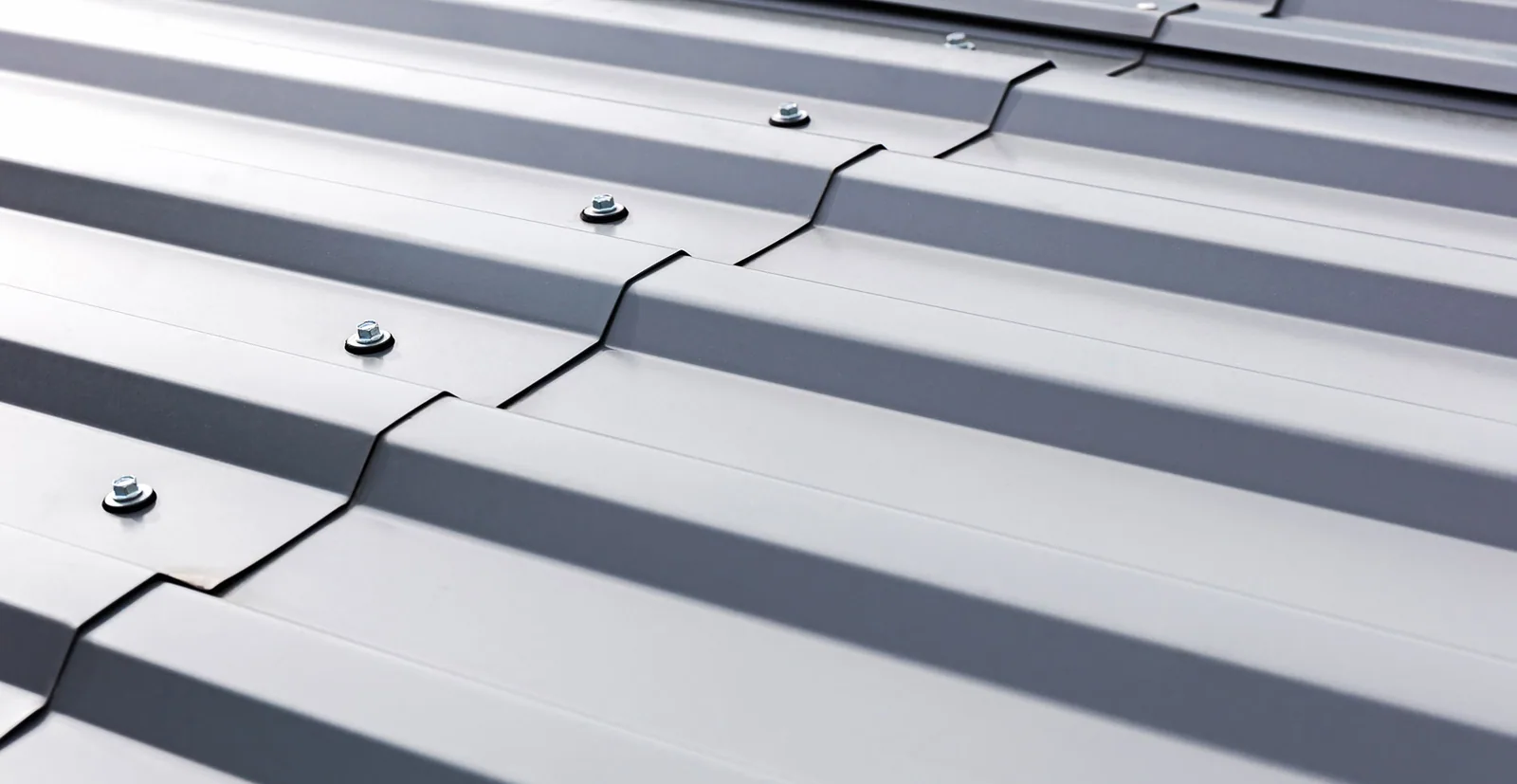
The removal allowance changes substantially when sound metal panels can remain beneath a properly planned roof project. Their attachments, laps and surface condition must support that decision before the owner compares restoration with a designed recover. Commercial Roofing Centennial evaluates metal roof retrofit in Centennial, CO, by establishing those retained-construction limits. We assess drainage and necessary repairs alongside the new work proposed above or within the existing covering.
Dove Valley Business Park includes industrial and flex properties within unincorporated Arapahoe County. A commercial roof there may share work access with deliveries or equipment operation. We assess the actual metal construction and site constraints before planning a retrofit. The owner receives a comparison that includes retained panels, necessary repairs and the practical installation sequence rather than a surface treatment price detached from the roof's condition.
Loose or deteriorated fasteners can affect both panel securement and weather protection at their openings. The condition of a washer does not establish the condition of the material receiving the fastener below it. We examine representative connections and identify damaged holes or unsuitable engagement. Replacing visible washers alone may leave the underlying problem unchanged.
A correction needs to suit the panel and supporting construction. Enlarged openings or deteriorated support can require a different approach from a sound connection with an isolated damaged component. We explain that distinction before pricing repeated fastener work across the roof. The owner can compare an appropriate repair boundary with a broader construction option when the attachment condition is no longer limited to a few serviceable connections.
Corrosion, distorted edges and damaged laps influence whether the existing covering can remain. We examine those conditions before considering a coating or another retained-roof option. A surface treatment needs receiving material suitable for preparation and the selected system. It does not restore missing metal or establish secure attachment where the supporting connection has failed.
Localized panel replacement may belong in a restoration scope where the remaining roof is suitable. The connection to adjoining panels still needs appropriate geometry and weather protection. We identify that work along with surface preparation. A comparison with standing seam replacement construction should state which panels and support conditions each option retains, helping the owner understand the difference between correcting selected areas and rebuilding the covering.
A compatible coating may be considered after the metal roof's condition and exposure have been assessed. Cleaning, corrosion treatment and repairs at connections can represent substantial work before the field application begins. We identify those requirements and the selected product's preparation procedure. The proposed scope should describe more than the final surface material. Laps, fastener locations and penetrations may need reinforcement or other detailed treatment specified for that coating system. We identify those locations before determining field quantities. Their preparation should be included rather than assumed to follow from a general application across the panels.
Silicone restoration options and other systems require their own suitability and installation review. Trial preparation or adhesion checks may be appropriate for the selected assembly. We coordinate those steps before treating the roof as ready to receive coating. The owner understands what is being repaired below the new surface and what existing construction would remain unchanged after the restoration work.
A designed recover can add a new roof assembly above suitable existing metal construction. The arrangement needs appropriate support, attachment and consideration of the building's loads. We coordinate the relevant design questions and assess the receiving roof condition. Filling panel profiles or adding insulation is not independently a complete roof specification.
Recover and overlay planning also examines concealed moisture and the interfaces created by additional thickness. Curbs, roof edges and outlets may need adjustment for the new finished surface. We identify those changes before fixing the installation allowance. The owner can then compare a recover that includes its supporting construction with restoration or removal options that leave a different assembly at the building.
Metal roof laps and transitions depend on suitable water paths across the panel arrangement. Existing low areas, obstructed outlets or poorly positioned equipment need examination before retrofit work changes the surface. We assess drainage at the affected construction and identify whether a detail must be reshaped. A renewed field finish does not remove a pocket created by unsuitable geometry.
Outlet and drainage coordination may belong in a recover where the finished roof elevation changes. Restoration instead needs appropriate preparation at the existing connections. We explain those different tasks before comparing the options. The roof scope should carry its intended water path through curbs, edges and outlets rather than leave drainage as an assumed benefit of whatever material is selected.
Highfield Business Park accommodates distribution and assembly activity alongside technology, laboratory and office uses. A building with those activities can have busy service routes and limited areas available for construction staging. We assess the actual access before planning panel work, coating application or recover deliveries. Each route brings different handling and preparation needs to that site.
For commercial properties in Dove Valley Business Park, removal and weather closure need coordination with occupied use. A construction plan around ongoing operations identifies equipment release and daily work limits. We explain which existing components stay protected and which areas become open during the selected option. The owner can judge the roof expense alongside the operating arrangements required to complete it.
Restoration leaves a different amount of old construction in place from a recover or complete removal. We identify retained panels, supports and concealed layers explicitly within the scope. Their condition influences future maintenance and the next roof decision. The owner should understand those retained responsibilities before comparing the immediate prices.
The completed retrofit also needs suitable access for examining fasteners, laps and renewed transitions. Later equipment installation should preserve drainage and avoid unsuitable panel attachments. A condition inspection for the retained roof can help direct future work at developing defects. We explain maintenance needs tied to the actual installed arrangement rather than assign every retrofit option the same service-life expectation.
The fastener opening and underlying engagement also need suitable condition. Enlarged holes or deteriorated support can require more than a new visible component. We examine the connection before defining the correction across the affected roof area.
Missing metal, failed attachment and unsuitable panel connections remain construction problems below the finish. A coating needs an appropriately prepared receiving roof. We identify those repairs before considering the selected restoration system.
A recover adds a defined assembly above suitable retained construction, with its own support and attachment requirements. Restoration works on the existing covering after necessary preparation and repair. We explain the different layers and interfaces included in each proposal.
Added roof thickness changes the available vertical distance at existing curbs. The new assembly may require an adjustment for suitable flashing. We assess that interface before treating the recover as work limited to the open field roof.
Each scope should identify retained construction, required repairs and the new assembly or finish supplied. Different assumptions can produce prices for substantially different work. We explain those boundaries so the owner compares the actual construction commitment.
Commercial roofing in Centennial
Commercial roofing in Centennial
Commercial roofing in Centennial
Commercial roofing in Centennial
Commercial roofing in Centennial
Commercial roofing in Centennial
Commercial roofing in Centennial