
Assess silicone roof coating in Centennial. We establish receiving-roof condition, adhesion preparation and detail work before defining a restoration scope.
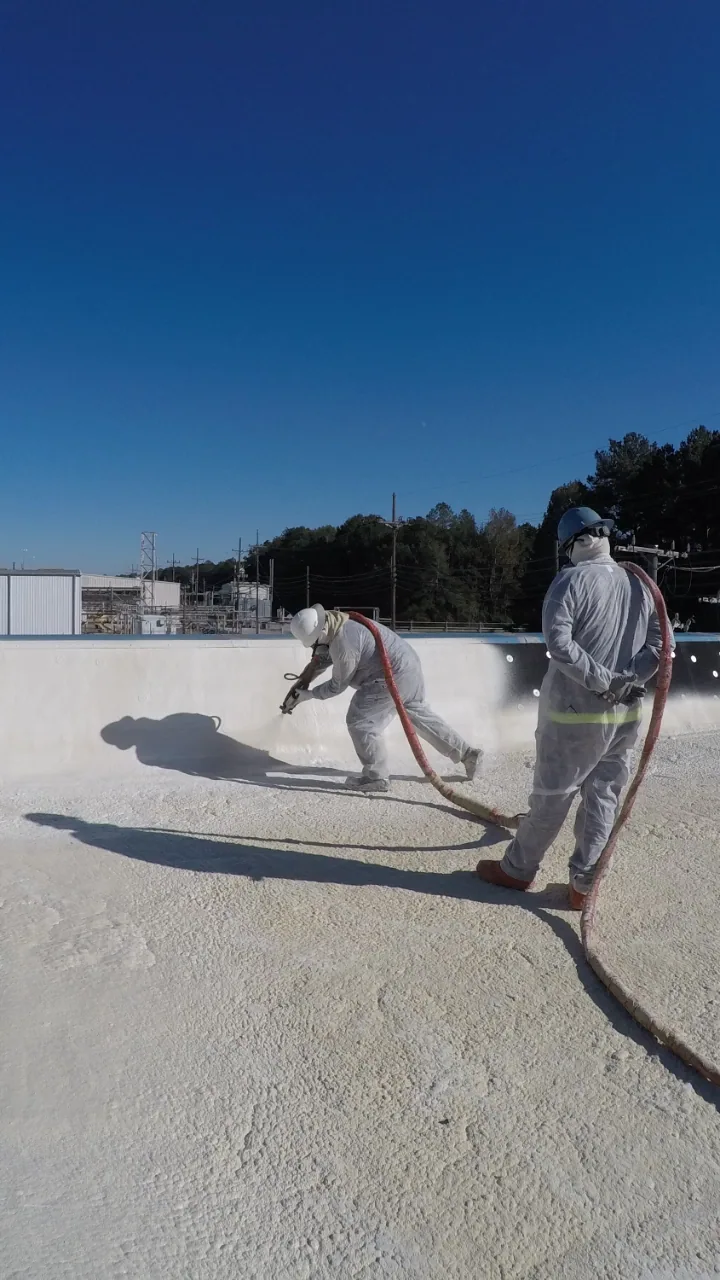
The cost of a silicone restoration can depend heavily on the repairs required before the field coating is applied. A roof with suitable retained construction presents a different scope from one containing widespread moisture or unstable older treatments. Commercial Roofing Centennial assesses silicone roof coatings in Centennial, CO, through that preparation decision. We establish the receiving roof's condition before comparing restoration with removal and replacement.
Centennial's Midtown district includes established office development within a broader long-term planning area. At an occupied office property, restoration may be considered when the existing assembly remains useful and the owner needs a defined construction expense. We examine the actual material and detail condition. The proposal identifies what must be repaired first and which existing components will remain after the silicone system is installed.
A coating system needs a roof that can receive the specified preparation and application. Moisture within concealed layers, loose covering or extensive deterioration may make surface restoration incomplete. We examine representative areas and relevant openings to establish those conditions. The assessment distinguishes localized repairs from assembly problems that require broader removal.
A complete restoration assessment considers both the field material and the details that deliver its weather connections. The coating should not become a reason to retain unsuitable construction. We explain which layers are proposed to remain and the repairs required before application. The owner can then compare a defined restoration scope with replacement using clear retained-material assumptions rather than two prices describing different construction boundaries.
Cleaning, dryness and suitable receiving material matter to the adhesion of the selected silicone system. Existing contaminants or unrelated treatments can interfere with that connection. We identify the preparation procedure and any primer requirements appropriate to the product and substrate. A general promise to clean the roof may not describe the work necessary at its actual surfaces.
Trial preparation and adhesion checks can help establish whether the planned system suits the receiving condition. Their locations should represent the relevant materials and exposures on the roof. We coordinate required checks before committing to field application. If the result calls for additional preparation or removal, that work belongs in the revised scope. The owner understands why the coating allowance includes a particular receiving-surface process rather than merely the purchase and spreading of material.
Field application does not replace the repair needed at loose seams, damaged flashing or deteriorated terminations. The selected coating system may require specific reinforcement and preparation at those details. We identify the appropriate treatment before determining field quantities. A worn connection should not remain unresolved beneath a uniform-looking finish.
Flashing and penetration corrections can involve rebuilding the existing roof detail before its coating treatment begins. Where equipment restricts access, the construction needs coordination with its service release. We assess those interfaces and explain which trade tasks precede the coating work. The completed restoration should carry its intended weather protection through the field and adjoining details rather than rely on broad surface coverage to compensate for defective underlying construction.
Product requirements establish suitable application conditions, coverage and the intended completed coating. Those requirements need practical checks during the work. Records of material use and suitable coverage measurements can help identify areas needing attention before release, alongside examination of the detailed connections. We identify how the crew will assess application at the field and detailed areas. Texture, surface preparation and material handling can affect the quantity and effort required to provide the specified finish.
Similar surface color does not establish that every area has received the intended coating construction. The crew examines relevant coverage and connections before releasing the work. A comparison with acrylic coating options should explain their different suitability and installation requirements. Where coating protects a spray foam roof assembly, the foam's condition remains a separate part of the assessment before the finish is renewed.
A product's suitability for its stated exposure does not remove the need to assess roof drainage. Low areas, obstructed outlets or trapped water behind equipment deserve a construction decision. We identify those conditions before applying the restoration system. Correcting an outlet or surface geometry may involve work distinct from the field coating.
Drain and scupper work can therefore belong in the proposed scope where the actual roof requires it. Equipment access needs appropriate surface protection and practical routes after application. The selected coating's finish may change how the roof is used during maintenance. We explain those considerations and preserve access to outlets and flashing, allowing future examinations to reach the details that support the roof's continued condition.
Greenwood Village has office and professional-service activity in business areas such as Greenwood Plaza and Village Center. A coating project at an occupied property can require coordination of ventilation, delivery and nearby exterior use. We assess those actual conditions before planning preparation or application. Product requirements and suitable weather also enter the work window.
For Midtown Centennial commercial properties, staging should protect normal entrances and the roof access needed for construction. We identify where materials can be handled and which equipment areas require release. The operating plan should accommodate the complete preparation and application sequence rather than only the period when the field surface changes appearance. That arrangement helps make the restoration allowance practical within the building's daily use.
A restored surface needs repair procedures and materials compatible with the installed silicone system. Other products should not be assumed suitable for later bonding or coverage over it. We identify the installed material and receiving condition before planning a correction. The maintenance arrangement should preserve that information for future roof work.
Routine examination can identify damage, contamination or developing defects while their affected area remains manageable. Equipment service should protect the coating and avoid leaving sharp debris on its surface. We explain relevant care considerations at completion without assigning a universal financial return or service life. The owner receives a defined restoration boundary and a practical basis for managing the retained roof after the new finish is in place.
The existing roof's condition, concealed moisture concerns and suitability for preparation all matter. Detail repairs may also be substantial. We establish those needs before presenting field coating as the full restoration scope.
They can identify whether the proposed system connects appropriately to representative receiving surfaces. Contamination or older treatments may require additional work. We incorporate relevant findings before committing to application across the roof.
Defective construction still needs an appropriate correction beneath the restoration treatment. Particular details may also require specified reinforcement. We identify those tasks before relying on general coverage to provide the completed weather connection.
Outlet condition and water routes remain construction issues independent of the coating choice. Trapped areas or obstructions may require correction. We assess the actual drainage arrangement rather than treating exposure suitability as a roof-shaping method.
The installed silicone material and receiving condition guide compatible procedures. Unrelated treatments may not provide a suitable connection. We examine the affected area and select an appropriate repair instead of assuming that any roof product will bond over the existing finish.
Commercial roofing in Centennial
Commercial roofing in Centennial
Commercial roofing in Centennial
Commercial roofing in Centennial
Commercial roofing in Centennial
Commercial roofing in Centennial