Assess spray polyurethane foam roofing in Centennial. We examine substrate suitability, protective coating and drainage before defining installation or repair.
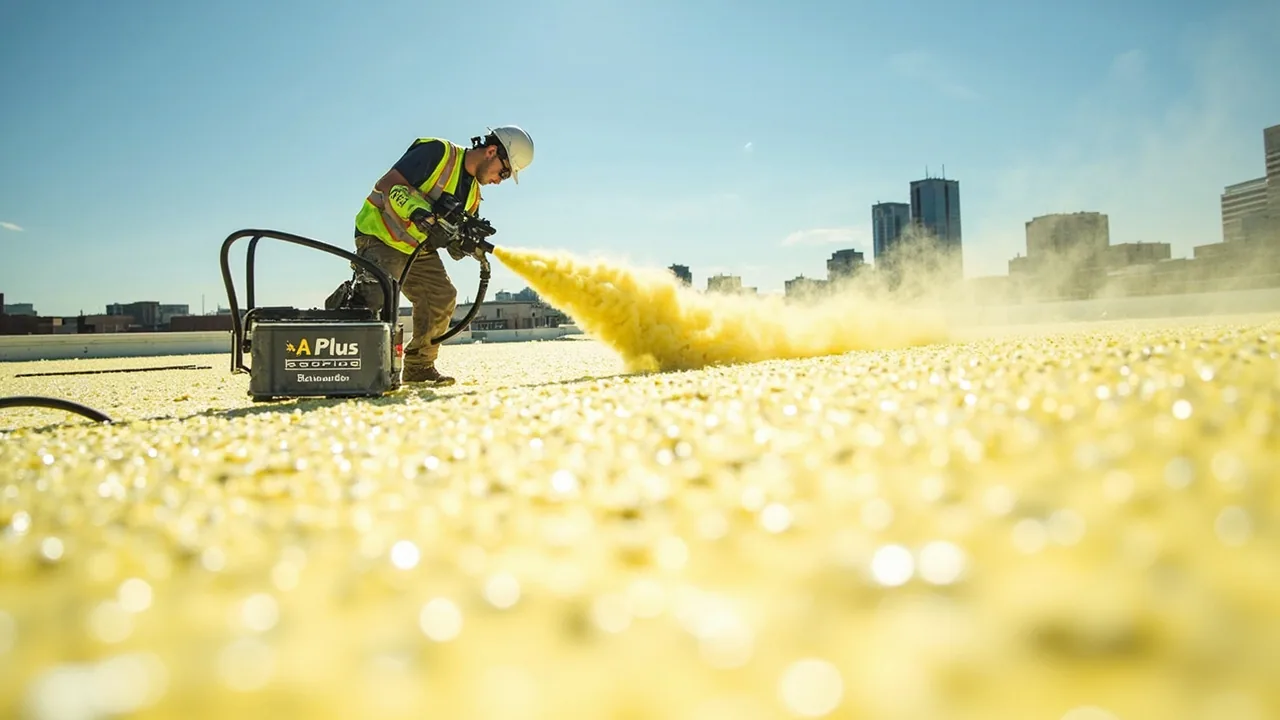
A spray foam roof proposal needs a plan for its protective coating as well as the foam itself. The exposed coating, substrate preparation and drainage shape form parts of the same construction decision. Commercial Roofing Centennial assesses spray polyurethane foam roofing in Centennial, CO, by examining those requirements together. We establish whether the receiving assembly suits the proposed work before defining installation or restoration.
Highfield Business Park includes laboratory, assembly, distribution and office activity. A property serving those uses can have roof equipment and nearby operating areas that affect spray application. We assess the actual roof access, exposure and equipment arrangement before setting the work window. The owner receives a construction scope that identifies preparation and protection requirements, including the conditions needed to apply the foam and complete its coating appropriately.
Spray polyurethane foam needs a suitable substrate with conditions appropriate to the selected system. Moisture, loose material and contamination can prevent the intended installation. We examine the existing covering and concealed assembly before considering retention. Damaged layers may need removal rather than become the receiving base for additional material.
The proposed recover construction assessment identifies which layers remain and how their condition has been established. Deck and attachment questions also need attention where the existing assembly is retained. We explain preparation at the actual roof rather than treat the foam application as independent of its base. The owner can then compare the complete work with a replacement option that removes a different amount of old construction.
Wind, moisture and temperature can influence when foam and coating application can proceed under their specified requirements. Site protection also matters where spray could reach vehicles, equipment or adjoining property. We identify the relevant exposure and access constraints before mobilization. The work plan should allow for appropriate conditions rather than force application into a fixed time slot regardless of the site.
Occupied buildings can require coordination with ventilation and nearby exterior activity. A roof sequence for continuing building use establishes the practical arrangements needed at those areas. We assess where protection or temporary release is necessary and explain those dependencies. Material delivery does not by itself establish that the roof is ready for spray work. The receiving surface and the surrounding site must both suit the proposed application stage.
Foam application can establish a shaped surface within an appropriate designed assembly. The proposed elevations need coordination with drains, scuppers and roof obstructions. We examine existing water routes before defining that shape. A low area behind equipment should not remain overlooked because the broad field appears to slope toward an outlet.
Drain and outlet planning identifies connections that need adjustment or protection during the work. The final surface also must meet curb and wall details at appropriate heights. We assess those relationships before installation begins. The owner receives a scope that includes the intended water path and the detail work required to complete it, rather than assuming that foam thickness alone resolves every drainage condition.
The foam needs an appropriate protective coating system to address its exposure and provide the intended finished surface. Product selection, preparation and application requirements need to be established within the assembly. We identify the coating and its specified coverage procedure before pricing construction. The work should not end with a foam quantity and an undefined finish.
Silicone coating systems and acrylic coating systems require separate suitability review for the proposed application. Their preparation and installation conditions can differ. We explain the selected coating's role and the examination required at completion. Details and changes in plane need suitable coverage as well as the field surface. Application checks can identify inadequate coverage or missed areas before the construction is released. Those findings should receive the specified correction rather than remain concealed by the general appearance of a finished coat. The owner understands which coating is installed and what later care its exposed condition requires.
Punctures or degraded surface areas can expose foam to conditions that require more than another coating layer. We examine the affected material and identify whether moisture or deterioration extends below the visible defect. Unsuitable foam needs appropriate removal before the repair rebuilds the surface. The surrounding material must be suitable for the selected correction.
Repair also includes restoring the protective coating over the completed foam work. We identify that connection and its preparation within the scope. A surface-only treatment should not conceal damaged material that belongs in the opening. Where deterioration is broader, the owner receives that distinction before authorizing repeated isolated repairs. The useful repair boundary reaches suitable construction and restores the intended protection at the affected area.
Dove Valley Business Park contains industrial, flex and office uses within unincorporated Arapahoe County. A building with service activity on its roof may need protection at repeated equipment access routes. We examine the actual traffic and support locations during assessment. The selected assembly should include practical measures appropriate to those contacts rather than rely on the exposed surface for every use.
For Highfield Business Park commercial properties, equipment servicing can continue after construction through agreed access routes. We identify the surfaces needing protection and connections that must remain reachable. A flex-industrial roof assessment connects those operating needs with the construction scope. The owner can then plan ordinary maintenance without making avoidable contact damage a recurring roof repair expense.
Wear, damage and weather exposure can affect the protective coating as the roof operates. Periodic examination should identify areas needing correction before the foam becomes exposed or deterioration expands. We assess the actual surface condition rather than assign every foam roof the same recoating date. Product requirements and observed condition guide the maintenance decision.
Drain outlets, penetrations and equipment areas need examination alongside the open field. Cleaning and later treatments should follow procedures compatible with the installed system. We explain those responsibilities when construction is completed. The owner receives a practical basis for evaluating repair or renewal of the coating while keeping the supporting foam and its adjoining details part of the roof condition assessment.
The coating protects the exposed foam and provides the intended finished surface. Its product and application requirements are parts of the assembly. We establish those details before presenting the foam work as a complete roof construction scope.
The receiving assembly needs appropriate condition for the selected system. Moisture or damaged layers can require removal and reconstruction. We assess those concerns before defining retained material beneath the proposed application.
Weather, receiving-surface condition and nearby activity can affect suitable application. Protection may also be necessary for vehicles or adjacent components. We coordinate those requirements before treating a fixed calendar slot as an available installation window.
A suitable surface shape requires a drainage plan tied to outlets and adjoining details. Existing obstructions or low areas still need assessment. We identify the intended water paths before defining the foam and connection work.
Surface wear may require different work from deterioration extending into the foam. We examine the affected layers and establish necessary removal. The correction restores suitable material and its protective coating rather than covering an unresolved concealed condition.
Commercial roofing in Centennial
Commercial roofing in Centennial
Commercial roofing in Centennial
Commercial roofing in Centennial
Commercial roofing in Centennial
Commercial roofing in Centennial
Commercial roofing in Centennial