
Plan commercial roof repair and replacement in Golden, CO, with inspection findings, occupied-building phasing and a scope tied to the assembly.
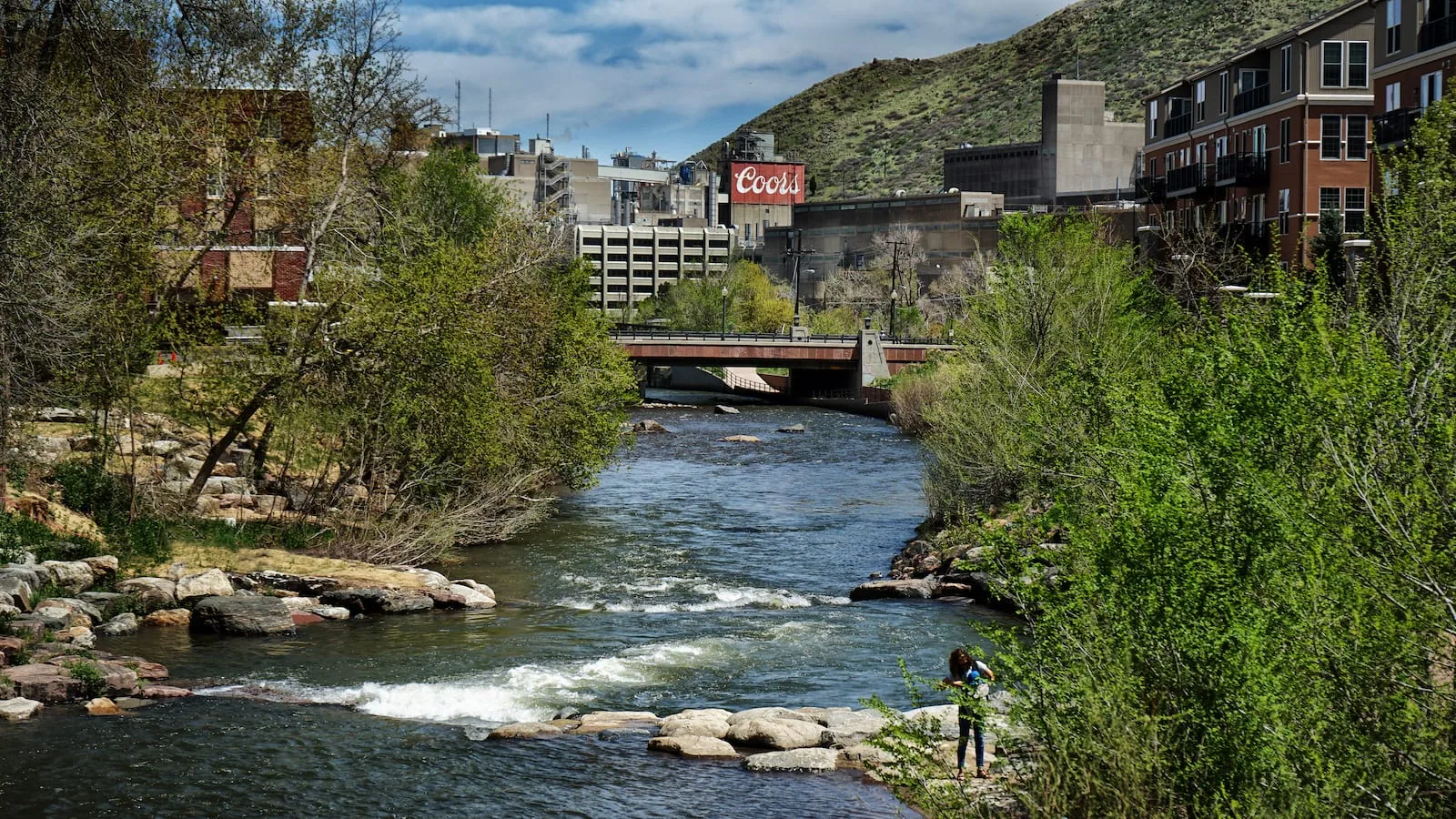
A mixed-use roof proposal in Golden, CO, has to account for the building that is there, not the zoning category alone. Community Mixed Use zoning allows multifamily housing, local businesses and a blend of uses, so a property may have different access patterns even within one ownership group. We inspect the membrane, seams, flashing, insulation and drainage before deciding whether the scope is a repair, recover or removal. The distinction affects cost, tenant notice and how much roof area is open at one time. An owner comparing a single building with a portfolio can start with a Centennial commercial roof assessment and a Highlands Ranch property review to keep each roof's condition separate.
A useful estimate begins with what the inspection can establish. We mark active openings, separated seams, damaged edge metal, blocked drains and areas where insulation may be wet. Then we identify what remains uncertain and whether selective exposure is needed before committing to a removal limit. A localized repair can be the right expense when the surrounding assembly is sound and the water path is contained. If moisture or attachment problems continue across connected areas, a patch can defer rather than resolve the larger decision. We compare repair, coating, recover and replacement as separate scopes, with the assumptions written beside each. The owner can then weigh the current roof allowance against the timing of the next budget cycle. We also separate visible damage from conditions that require a test opening, because each carries a different level of certainty. The proposal can state what is confirmed, what remains concealed and what would trigger additional work. That keeps a capped repair from quietly becoming a removal project after mobilization. If the available records show past repairs, we compare their locations with current moisture indications and inspect adjoining details before extending the boundary. A photo-based condition report records where each conclusion came from, while commercial roof repair remains an option when the inspected boundary supports it.
Golden's zoning mix is a planning fact, not a description of any particular roof. A property that combines residences with local business may have distinct entry points, delivery windows, mechanical access and quiet hours. We ask the manager to identify those operating constraints before selecting a daily work area. For a low-slope roof, that means locating drains, equipment curbs, transitions and edges, then mapping the work so an active tie-in can be closed each shift. For a metal roof, we inspect panel seams, fasteners, penetrations and perimeter details before deciding what can be retained. Building use informs notice and staging; the existing assembly determines the roofing method. We can compare phased occupied-building work with a longer closure window and set the choice against access, weather and the amount of material exposed.
West 6th Business Park includes five buildings totaling 215,116 square feet of building area. We inspect each roof separately and record its drainage, seams, flashings and work boundary. A Golden owner can compare separate scopes without carrying one building condition into another. We keep observations by building and roof section instead of carrying a condition from one address to another. One facility may need drain corrections while another has seam or flashing work; a shared ownership calendar does not make their assemblies identical. For a multi-building review, a coordinated inspection program can keep photo records and recommendations together while preserving each roof's findings. If storm damage is reported, a drone survey can help document broad surface conditions, followed by close inspection at details the imagery cannot resolve. The roof plan can mark each photo location so the owner can compare later observations with the same areas. We inspect each roof, record its assembly and field conditions, then set a work boundary that the owner can review against access and operating needs.
Before a new membrane or coating is priced, we check the deck, attachment, insulation, drainage and condition of the material that would remain. TPO, PVC, EPDM, modified bitumen, built-up roofing, retrofit metal and liquid-applied restoration each have different seam, edge and flashing details. A coating needs a compatible substrate and sound preparation; it does not repair wet insulation underneath. A recover depends on the existing layers and the added assembly's effect on drainage and attachment. We trace water paths around curbs and transitions, not just the visible field, then show where the proposed system begins and ends. The owner can compare a mechanically attached TPO system with EPDM membrane work after the inspection establishes what the structure can accept. Product choice follows the assembly and documented scope.
Golden's commercial, office and manufacturing incentive program includes development, expansion and upgrade activity. An incentive program does not establish that a roofing permit is required or that a particular property is participating. It does make timing worth discussing early when a roof project overlaps with planned building work. We identify the sections that can be completed together, the areas needing temporary protection and any trade handoff at equipment or penetrations. Material delivery and tear-off stay tied to a weather allowance, not an assumed calendar date. For occupied premises, the owner confirms tenant notices, loading access and any work-hour limits before the scope is released. We can stage replacement in closed sections, keep an overnight dry-in point and document changes before extending the open area. A replacement proposal should state those limits clearly enough for the building contact to coordinate operations. We confirm the material arrival point, lift or staging area and route to the roof before tear-off begins. If mechanical or electrical trades need to work at the same curb, the sequence names which contractor restores the transition and when the roof returns to a watertight condition. The owner should be able to see which days affect each entrance and who receives notice when a phase moves. Those details belong in the estimate because they influence work hours and crew progress, not as a separate promise after award.
After repair or replacement, the closeout should identify the completed roof area, installed material, photographs and any conditions left for later attention. We note whether the work was temporary stabilization, a bounded repair or a broader assembly change. That record helps the next manager understand what was addressed without treating the whole property as one condition. A maintenance visit can then check drains, seams, penetrations and edge details against the same roof plan. If another building is added to the owner's schedule, it receives its own inspection and recommendation. Golden's mix of housing and local businesses may create different operating needs from one property to the next, while West 6th Business Park's multiple buildings illustrate why roof findings need distinct labels. Share the building use, leak history, known roof records and access restrictions, and we can assess the scope that belongs in the current budget.
No. It describes allowed uses, not the installed roof. We inspect the membrane, deck, insulation, attachment, drainage and details before proposing a system.
Yes, the schedule can be coordinated. Each building still needs separate observations and a scope tied to its own roof conditions.
The condition of the existing layers, attachment, drainage and applicable assembly limits decide whether material can remain. We inspect and show those assumptions before pricing.
It should identify the inspected area, observed conditions, proposed work boundary, access limits and unresolved items. We can add photos and phasing notes for the owner's planning record.
Often, when the work zone can be separated and closed watertight each shift. We plan access, notices, protection and daily tie-ins with the property contact.
Commercial roofing in Centennial
Commercial roofing in Centennial
Commercial roofing in Centennial
Commercial roofing in Centennial
Commercial roofing in Centennial
Commercial roofing in Centennial
Commercial roofing in Centennial
Commercial roofing in Centennial