
Prepare a Centennial commercial roof for solar work. We assess roof condition, support interfaces and future access before coordinating the roofing scope.
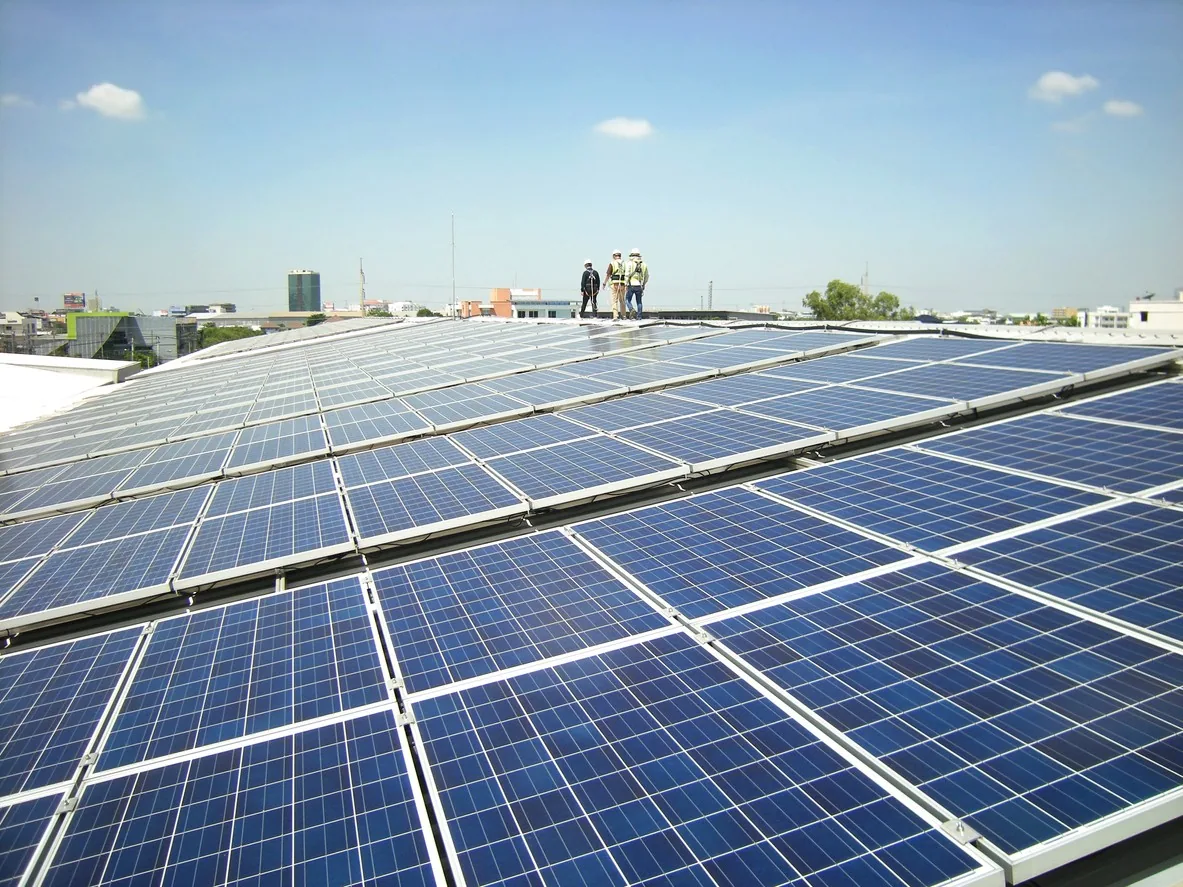
Installing an array above a roof that needs near-term removal can commit the owner to equipment handling twice. Roof assessment belongs before the solar layout becomes fixed, while construction choices remain available. Commercial Roofing Centennial prepares commercial roofs for solar work in Centennial, CO, by examining condition, remaining repair needs and the proposed equipment interfaces. We coordinate the roof scope with the parties responsible for solar design and installation.
Lone Tree includes office, healthcare and retail activity supported by its transportation connections. A building owner in that setting may need a solar project to fit an existing capital schedule and occupied operation. We assess the actual roof construction before coordinating that schedule. The comparison identifies work that should precede the array and connections that need ongoing access after the equipment is installed.
The existing membrane, flashing and concealed layers need examination before an array limits their accessibility. Active leaks and deteriorated details require a defined correction, but isolated repair needs do not automatically establish a full replacement scope. We evaluate the affected areas and explain whether the proposed retained construction suits the installation plan. The assessment also identifies uncertainty that warrants further opening or investigation.
A roof inspection before solar design can establish the visible condition and direct additional examination. Moisture within concealed layers needs separate attention because a sound-looking upper surface may hide damaged material. We compare necessary removal with the parts proposed to remain. The owner receives a roof construction decision before committing to an array layout that might later obstruct the very areas requiring reconstruction.
Array weight and support arrangement require evaluation by the appropriate design parties. A roof covering's condition does not establish the building's structural capacity for equipment or ballast. We coordinate the roofing interfaces with the proposed support method and identify where the roof assembly needs protection. Structural acceptance and weatherproofing remain related tasks with different responsibilities.
Ballasted systems place loads through their contact points, while attached systems involve connections that may pass through the covering. Each arrangement needs a suitable roof interface rather than an improvised pad or seal. We review the proposed contact materials and access for installation with the solar team. For shopping center roof projects, the coordination also accounts for existing equipment and service routes that share the usable roof area.
Where supports penetrate the roof, their flashing detail must suit the covering and the supporting construction. The installation needs enough working room to prepare and join the materials correctly. We coordinate those locations before equipment fills the surrounding area. Closely positioned components can make a small penetration difficult to flash or examine if their access requirements are overlooked.
Roof penetration weatherproofing includes the receiving surface, suitable components and the upper connection around the support. It does not stop at a bead of material around an opening. We establish which trade installs the structural connection and when roofing access becomes available. The finished detail is checked before the array hides it. Cable routes need similar coordination where they reach the building or cross existing roof connections. Their supports should keep wiring suitably positioned without rubbing against the membrane or trapping debris at a drain. We identify those interface questions while the layout can still be adjusted and before the installation creates a difficult-to-reach crossing. Any later changes to the supports should preserve that weather connection rather than assume the original flashing fits a modified component.
Roof drains, perimeter details and mechanical equipment still need examination after solar installation. The proposed layout should retain practical routes to those components and the covering around them. We identify locations needing repair access and coordinate those constraints with the layout team. A roof that remains reachable can be managed more effectively than one requiring equipment removal for every routine detail examination.
Walking routes also need appropriate protection for the selected roof surface. EPDM membrane construction requires suitable contact and walkway materials, as do other systems with their own compatibility requirements. We examine how installation traffic and later servicing will reach the array. The arrangement should protect the covering without obstructing drainage or concealing a low area beneath a continuous run of support components.
Support pads, wiring routes and new equipment can interfere with water moving toward an outlet. We assess the roof's existing drainage and the proposed layout together. An existing ponding area needs a construction decision before it becomes difficult to reach. The array should not convert a service route or support line into a barrier across the roof's intended water path.
Drain and scupper coordination can include access around the outlet and necessary corrections to nearby elevations. We examine whether the selected roof work changes those elevations before the solar supports are installed. In the Meridian Business Area, commercial development shares a broader campus setting with retail and housing. A project's actual roof layout remains the basis for drainage and access decisions, including the service windows required by its occupants.
If replacement is the appropriate roof decision, completing it before array installation can avoid opening newly occupied roof areas later. The proposed covering, insulation and support interfaces need coordinated specifications. We identify the work that reaches completion before solar mobilization and the details finished after supports are placed. Temporary equipment storage must also protect the completed covering from concentrated pressure and installation debris. That division helps the owner allocate responsibility for protection during each installation stage.
Replacement planning before solar installation also considers future equipment removal if roof work becomes necessary. An array does not remove the need for roof maintenance or eventual construction. We explain access and weatherproofing obligations associated with the proposed assembly without assigning an unverified remaining life to the existing roof. The combined sequence gives the owner a practical view of the construction expense now and the access arrangements needed later.
Early examination can identify removal areas, drainage needs and details that require continued access. Those findings can affect the equipment layout or construction sequence. We establish the roof work boundary before the array limits available access and repair choices.
Structural capacity requires an appropriate evaluation of the building and proposed loads. Membrane condition addresses a different question. We coordinate the roof interface and protection requirements with the parties responsible for the support design and structural assessment.
Equipment placement may conceal seams, block routes to drains or restrict work beside existing curbs. The layout should retain suitable routes and working room at those details. We identify roof access needs during planning rather than after the support arrangement is fixed.
Isolated damage may require a defined repair without establishing that the entire roof must be replaced. Concealed moisture or wider deterioration can change that conclusion. We assess the affected construction and explain the appropriate roof scope before coordinating array installation.
The support installer and roofing team need a clear installation sequence for each connection. Structural attachment must leave suitable access for compatible weatherproofing. We establish those responsibilities before equipment placement makes the surrounding roof area difficult to work on.
Commercial roofing in Centennial
Commercial roofing in Centennial
Commercial roofing in Centennial
Commercial roofing in Centennial
Commercial roofing in Centennial
Commercial roofing in Centennial
Commercial roofing in Centennial