Assess snow and ice effects on Centennial commercial roofs. We examine drainage, transitions and receiving condition before defining useful material repairs.
Water appearing during snowmelt can require an outlet or transition correction beyond the covering nearest the indoor observation. The useful repair starts with the actual water route and the construction affected by it. Commercial Roofing Centennial assesses snow and ice effects on commercial roofs in Centennial, CO. We examine drainage, interfaces and receiving layers before defining material work and coordinating the access necessary for the selected correction.
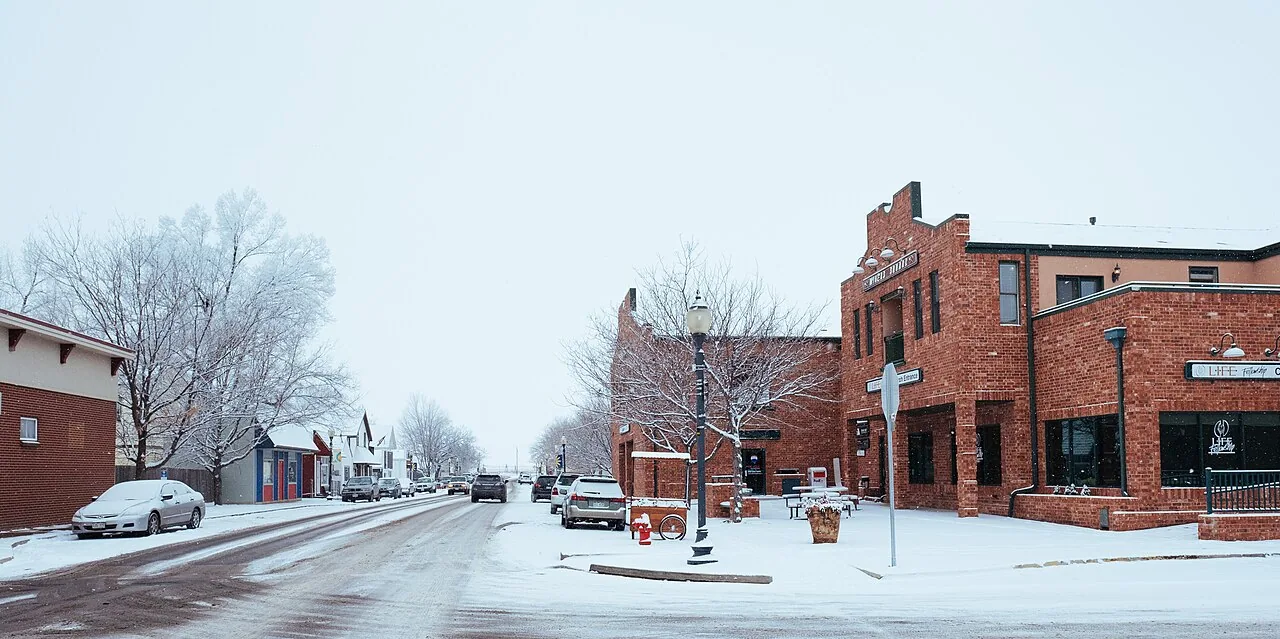
The regional map for 1991 to 2020 puts mean seasonal snow near Denver International Airport at about 47 inches. That regional setting makes seasonal drainage and transition condition relevant to roof planning. At an individual property, we examine its actual geometry and observed damage. The owner receives a scope connected to the useful water-path or assembly correction, with supporting questions and related equipment or wall tasks identified where the findings require them.
Water can follow a roof surface to an outlet, gutter or transition affected by an obstruction or damaged connection. We examine those details alongside the field covering. A nearby membrane mark may not identify the construction admitting water. The assessment should establish the relevant route and the component needing useful correction.
Drain and scupper assessment examines receiving elevations and the adjoining surface. Debris removal and reconstruction address different conditions. We identify whether the opening is obstructed or the surrounding geometry needs adjustment. The owner can compare an identifiable drainage task with its actual material requirements, including related discharge work where the roof outlet depends on another component to complete the intended water route.
A building can combine roof areas at different slopes or elevations. We examine the transition receiving runoff from the upper surface before selecting a repair below it. Wall components, underlayers or perimeter details may participate in that weather path. The useful scope should identify the material connection through the actual geometry. At a lower wall edge, its upper component may direct runoff onto flashing that needs a suitable termination behind it. We examine the receiving height and continuity before selecting reconstruction. The planned detail should preserve the intended movement and water path, with access to each adjoining layer available until its preparation and connection are complete.
A standing seam roof section needs its appropriate attachment and movement arrangement. A lower membrane detail uses compatible joining components for its own system. We assess how their construction meets where the correction crosses that transition. The owner receives an assembly scope connecting suitable retained material with the renewed weather detail, including necessary preparation above and below the interface before the phase is released.
Damaged gutter, edge or outlet components can need examination of the support beneath them. We identify that receiving construction before selecting replacement pieces. A loose visible component may require reconstruction at its attachment rather than another fastening attempt into unsuitable material. The repaired connection should suit the roof and wall assembly it serves.
Perimeter and gutter construction includes the receiving detail and appropriate discharge arrangement. A nearby flashing correction can be needed where the same water route reaches a vertical connection. We identify those material tasks separately from clearing an obstruction. The owner can compare complete correction through the affected edge, with suitable support and adjoining preparation included beneath the visible replacement component.
Where observed deflection or other findings raise a structural question, the appropriate evaluation belongs before roof reconstruction is selected. We identify the receiving condition and assessment access relevant to that question. The responsible parties coordinate the evaluation and building release. A covering repair does not resolve an unsuitable supporting assembly.
Roof condition assessment after seasonal damage distinguishes construction available for correction from receiving work requiring another task. We examine the actual layers and relevant details within the accessible boundary. The proposed material scope should connect with suitable support and appropriate attachment. The owner receives the roofing requirements that follow the evaluation, with reconstruction sequenced before insulation and covering make the receiving condition inaccessible.
Water can travel through concealed material before reaching the observed indoor area. We compare that observation with relevant roof seams, curbs, walls and outlets. Insulation or support may need investigation where findings warrant opening. The useful correction follows the affected construction and a suitable receiving boundary for the new weather connection.
Investigation of seasonal roof intrusion identifies that material work before removal. A joint repair can involve compatible preparation and concealed-layer correction within the same task. We explain the renewed and retained construction clearly. The owner can coordinate room protection and access around the actual opening, comparing a local detail correction with broader work where moisture or deterioration changes the receiving condition.
Littleton has regional transportation connections through C-470 and Santa Fe Drive. Inverness Business Park combines office and residential activity. At a selected commercial property in that broader setting, the usable construction route still depends on actual entrances and roof access. We examine staging and the material approach before scheduling removal.
For commercial roofs around Littleton, an occupied office property may require protection beneath the identified seasonal-damage opening. The responsible parties coordinate its operating availability. Preparation and joining need conditions suitable for the selected system. We identify a phase that can be appropriately completed or protected, with revised access arranged before concealed findings enlarge the opening or reveal another equipment interface requiring separate release.
We examine the finished covering and drainage connections before the work boundary is released. The owner should know which route or detail has been corrected and the material retained around it. Related receiving tasks awaiting another phase remain identifiable. Installed material information follows the actual assembly supplied at the selected roof.
Routine visits should leave outlets reachable and remove debris from relevant water paths. Equipment changes or new support points need assessment where they alter those routes or adjoining details. We explain compatible care requirements at completion. Subsequent examinations can compare observed material and drainage condition before another repair expense is chosen. The property's next maintenance or capital phase then follows useful construction needs, keeping supporting questions, occupied access and the completed assembly boundary clearly connected to its actual roof arrangement.
Its route can involve an outlet, wall or transition beyond the nearest surface mark. Relevant construction needs investigation. We identify the entry mechanism before selecting a useful material correction.
Runoff can move from an upper covering into a lower receiving detail. Their components may need coordinated preparation. We examine that physical interface before choosing a correction confined to only one surface.
Its attachment and supporting construction can also require correction. Suitable securement needs a dependable receiving arrangement. We identify that work before pricing the complete perimeter or discharge task.
The appropriate evaluation and access release need coordination through responsible parties. Roofing work follows the suitable receiving construction established for it. We identify the related requirements before new layers conceal the assembly.
Affected insulation or support may need removal beyond the visible covering defect. The new connection requires suitable material around its boundary. We explain those findings and coordinate occupied protection before construction expands.
Commercial roofing in Centennial
Commercial roofing in Centennial
Commercial roofing in Centennial
Commercial roofing in Centennial
Commercial roofing in Centennial
Commercial roofing in Centennial
Commercial roofing in Centennial
Commercial roofing in Centennial