Plan dealership roofing in Centennial. We assess vehicle circulation, service-bay interfaces and roof condition before defining repairs or replacement work.
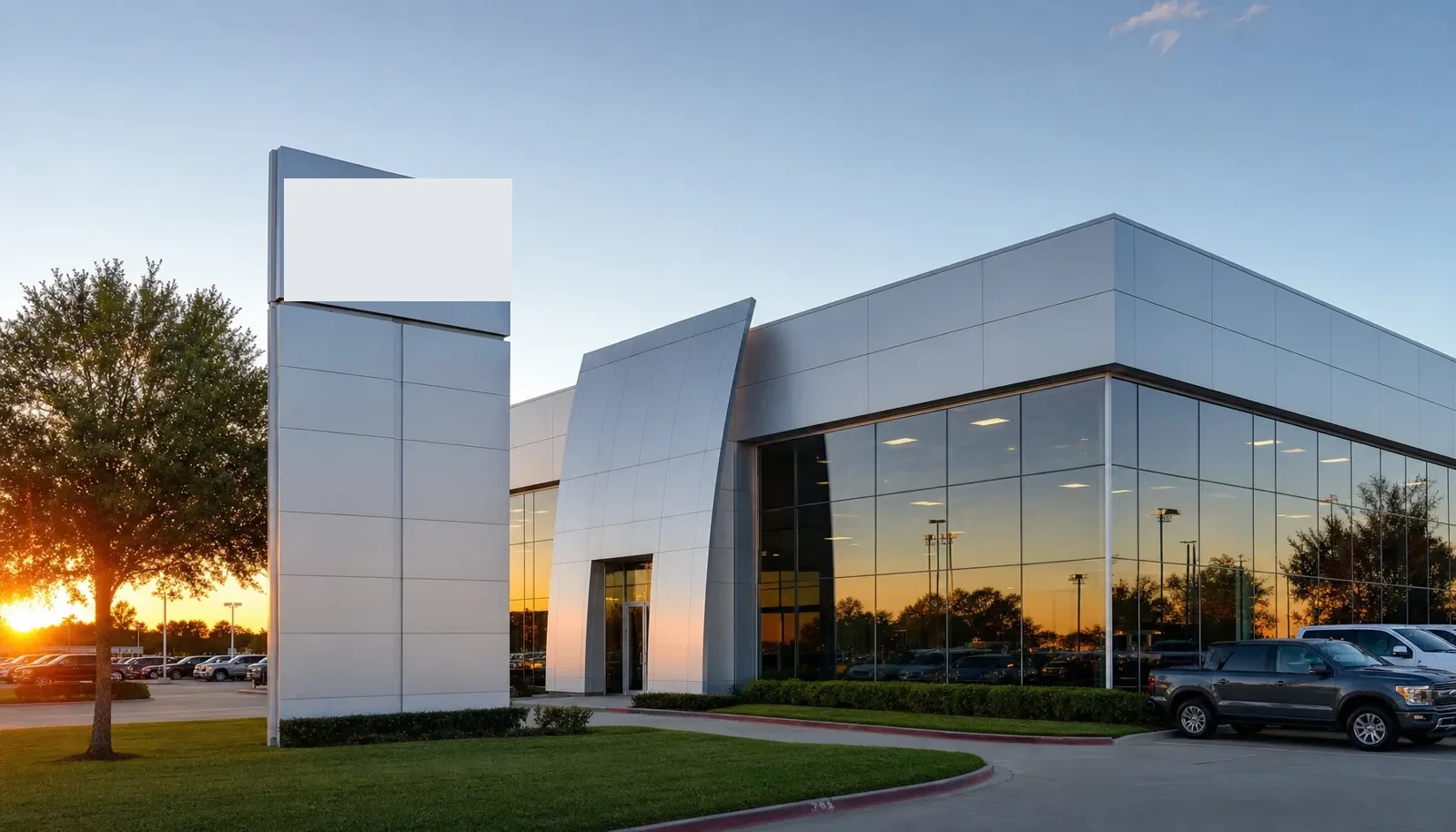
Moving displayed vehicles for roof staging changes the dealership's available space before construction begins above the building. The owner needs to know which material route and roof phase require that release. Commercial Roofing Centennial assesses auto dealership roofing in Centennial, CO, by connecting site circulation with the actual assembly work. We define useful repairs or replacement boundaries before coordinating vehicle positions and service access.
Sheridan has a mix of commercial and industrial activity within its wider community setting. A dealership roof project in the broader south-metro area still follows its own showroom, service and receiving arrangement. We examine those actual uses and the roof sections serving them. The construction scope identifies material handling and occupied-area coordination at the property, giving the owner a practical comparison of the work required and the operating space needed to complete it.
Material lifts, waste containers and deliveries can conflict with displayed inventory or vehicles moving through service lanes. We assess those routes with the operator before choosing positions. Staging should preserve the emergency approach and entrances needed for occupied use. An apparently open section of the lot may still form part of the dealership's daily vehicle movement.
The plan identifies which positions the owner can release and when the roof task needs them. At a connected large showroom-style roof area, customer vehicle movement may pass beside the proposed material lift. We assess an agreed construction position and the route it serves before scheduling deliveries. Temporary vehicle relocation should match the actual handling task. Recurring removal and installation need dependable space that does not rely on the operator continually moving display vehicles after the phase has begun.
Roof activity above occupied sales space can create different access and interior protection needs from work above service bays. We identify the space associated with each planned opening. The operator coordinates the actual release arrangement for that use. Construction boundaries should be defined before vehicles, equipment or occupied rooms beneath them need to be moved.
Reroofing around dealership operations can distinguish phases when the assembly permits suitable closure. At an attached service-oriented roof section, equipment exhaust or supported lines can obstruct preparation along the shared roof edge. We examine the available working clearance and identify the appropriate service adjustment. The connection should have suitable support and compatible components before the field reaches it, with any required equipment release linked to the detail work rather than assumed part of general building availability.
Ventilation, cooling and other rooftop components can restrict work at curbs and penetrations. Their service release belongs with the appropriate equipment parties. We identify the roof connection needing access and coordinate the tasks that make it available. A detail above an operating bay may need a different construction window from the surrounding field covering.
Equipment curb and support construction also considers the receiving assembly and available flashing height. Added roof thickness can require related adjustments before the weather connection is rebuilt. Structural questions receive the relevant evaluation. We explain those dependencies within the scope so the owner compares complete roof work and knows which equipment tasks precede installation at its affected interfaces.
Water observed in a showroom or service area can enter through construction elsewhere above it. We investigate relevant seams, walls, penetrations and drainage connections before selecting repair. The examination compares the exterior details with the interior observation and concealed route. Its purpose is to establish the construction needing correction at the actual building.
Investigation of dealership roof intrusion also examines concealed-layer concerns where findings warrant opening. Wet insulation or deteriorated support can enlarge the repair boundary. We explain those needs and coordinate the affected vehicles or interior area before removal. The proposed correction identifies the weather connection restored and related work requiring another party, giving the operator a practical response to schedule above occupied space.
Earlier work and additions can leave different coverings across dealership buildings. We assess those assemblies before defining retention or replacement. A local defect may be repairable where surrounding material remains suitable. Broad deterioration or concealed moisture can require removal below the surface, changing the useful construction allowance.
A TPO dealership roof option needs appropriate attachment, receiving layers and compatible adjoining details. We establish those requirements before comparing prices. The deck must suit the selected fastening arrangement, and retained boards need secure condition beneath the new covering. Where an adhered assembly is proposed, its receiving surface and application conditions require separate attention. Those installation requirements should be resolved before field work begins. Damaged receiving areas need appropriate correction before new components conceal them. A planned coating route also needs suitable preparation and surface condition. The owner receives an explanation of retained material and necessary repairs in each option, helping distinguish a complete assembly project from a finish allowance that leaves damaged construction unchanged beneath it.
Highfield Business Park includes distribution and assembly activity alongside technology, laboratory and office uses. Roof work in that broader commercial region can require care around occupied exterior areas and material movement. At a dealership, we assess the actual vehicle positions and adjacent surfaces before selecting protection. The chosen installation method also influences the work arrangement.
For commercial properties in Sheridan, spray or other application tasks need conditions suited to the selected system and surrounding site. We identify the protection and available space before mobilization. Vehicle release and construction positions should follow that assessment. The owner can then coordinate the actual work area and operating schedule with a clear understanding of why the material or procedure needs a particular arrangement.
Outlet and local drainage condition remain part of the roof assessment regardless of the covering chosen. We examine trapped areas and obstructions before defining correction. Equipment placement should preserve water routes and access to the connections below it. The finished assembly needs its intended drainage path through curbs, edges and outlets.
Dealership roof maintenance planning can direct later examinations toward equipment-service areas and renewed details. Suitable access protection helps keep routine visits from damaging the covering. We identify completed boundaries and relevant care obligations at handover. Future roof work can then be compared using observed condition and the construction actually retained, keeping the next expense connected to useful correction and a practical vehicle-access arrangement.
Display inventory and service movement can limit material handling and waste positions. Those areas need a practical release arrangement. We connect the required space with particular roof tasks before construction equipment is placed on the lot.
Their assemblies and occupied-use requirements can differ. The work needs suitable closure and protection at each proposed area. We assess those boundaries before defining phases around the dealership's operating arrangement.
The appropriate equipment parties establish the required release for their systems. We identify the detail needing roofing access and the sequence for restoring its connection. Those tasks should be clear before preparation begins at the curb or penetration.
Moisture or deteriorated support may extend beneath the covering beyond the visible opening. Relevant examination establishes the affected construction. We explain that boundary and coordinate the associated interior area before selecting the useful correction.
Retained material, preparation, required repairs and adjoining detail work should be identifiable. Different assumptions can describe substantially different construction. We establish those scope boundaries so the owner can compare the actual roof expense and operating needs.
Commercial roofing in Centennial
Commercial roofing in Centennial
Commercial roofing in Centennial
Commercial roofing in Centennial
Commercial roofing in Centennial
Commercial roofing in Centennial
Commercial roofing in Centennial
Commercial roofing in Centennial